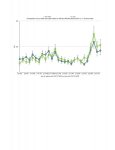


Freestyle Libre Readings:
1. Scanning with a phone may be difficult. I found a NFC 'Pay' app was sometimes causing a conflict, despite never ever being used. Libre Reader works fine but can't send the Log to the Vet. Vet needs a 8-16 digit LibreView Account Number for you to send them the logs from the App. A screenshot might also work in a pinch.
2. Blood glucose is different than the interstitial fluid glucose (glycogen?) around the cells. Abott says there is a 1-3 hour lag time before it gets to the dermis cells, and the meter Reader tracks trends. The Libre Reader gives warnings to take a manual BLOOD glucose test for current levels IF the glucose levels are trending towards way too low (hypo) or too high.
3. Patterns and trends are important to follow since most long-acting insulin peaks 3-7 (avg 5) hours after injection. One has to know how the cat's food, sleep ('intermittent fasting'), and activity affects those levels, and plan accordingly.
4. A Low Glycemic wet food diet helps with controlling diabetes. Chewy dot com now has that as a filter choice when selecting foods. I just found they also need an 'and/or' filter, since right now (2020) clicking on extra choices (like 'organic') just expands choices, and does not narrow them. :-(
There are good carbs and bad carbs. ANY carbs should be *nutritious* natural colorful vegetable-sourced ones, such as pumpkin or spinach; & Basically anything a mouse or rabbit (a cat's natural prey) might eat, and not 'empty' fiber fillers such as cellulose (sawdust), nor refined or GMO grain flours. A little extra Chromium and trace vanadium also helps reduce diabetes, per Dr. Joel Wallach, DVM, ND, who used to formulate animal and zoo feeds for a living.
'Good' carbs carry the vitamins and nutrition into the cells, like a Trojan horse, and then they can help rebuild the cells and natural immune system. A strong immune system fights off chronic diseases and cancer; that is it's job. So 'low carb', thus also cutting out the needed natural carbs, is not as good for the health as Low Glycemic.
I bring this up here since food choices (incl. supplements and (junk food) "treats') can affect glucose readings and remissions/flare-ups from diabetes, and should be noted in the tracking logs, along with the amount and time of any insulin injections. Within a few weeks you and your vet should be able to recognize patterns & figure out what works best for your cat.
1. Scanning with a phone may be difficult. I found a NFC 'Pay' app was sometimes causing a conflict, despite never ever being used. Libre Reader works fine but can't send the Log to the Vet. Vet needs a 8-16 digit LibreView Account Number for you to send them the logs from the App. A screenshot might also work in a pinch.
2. Blood glucose is different than the interstitial fluid glucose (glycogen?) around the cells. Abott says there is a 1-3 hour lag time before it gets to the dermis cells, and the meter Reader tracks trends. The Libre Reader gives warnings to take a manual BLOOD glucose test for current levels IF the glucose levels are trending towards way too low (hypo) or too high.
3. Patterns and trends are important to follow since most long-acting insulin peaks 3-7 (avg 5) hours after injection. One has to know how the cat's food, sleep ('intermittent fasting'), and activity affects those levels, and plan accordingly.
4. A Low Glycemic wet food diet helps with controlling diabetes. Chewy dot com now has that as a filter choice when selecting foods. I just found they also need an 'and/or' filter, since right now (2020) clicking on extra choices (like 'organic') just expands choices, and does not narrow them. :-(
There are good carbs and bad carbs. ANY carbs should be *nutritious* natural colorful vegetable-sourced ones, such as pumpkin or spinach; & Basically anything a mouse or rabbit (a cat's natural prey) might eat, and not 'empty' fiber fillers such as cellulose (sawdust), nor refined or GMO grain flours. A little extra Chromium and trace vanadium also helps reduce diabetes, per Dr. Joel Wallach, DVM, ND, who used to formulate animal and zoo feeds for a living.
'Good' carbs carry the vitamins and nutrition into the cells, like a Trojan horse, and then they can help rebuild the cells and natural immune system. A strong immune system fights off chronic diseases and cancer; that is it's job. So 'low carb', thus also cutting out the needed natural carbs, is not as good for the health as Low Glycemic.
I bring this up here since food choices (incl. supplements and (junk food) "treats') can affect glucose readings and remissions/flare-ups from diabetes, and should be noted in the tracking logs, along with the amount and time of any insulin injections. Within a few weeks you and your vet should be able to recognize patterns & figure out what works best for your cat.
Last edited: