KleineMue
Member Since 2014
Hello, hello!!
I have been meaning to post an update on Pedro and the Royal Veterinary Collage feline diabetes remission clinic trial for a while but haven't had a chance until now, but since I should be doing my tax return today I thought this is the perfect opportunity to avoid that and write how we are getting on instead.
Our first visit was Monday, 05 January and Pedro stayed with Ruth at the clinic for 3 days in order to have a number of different examinations and tests to screen for underlying diseases and any issues that would prevent him from participating in the trial. Ruth sent me daily updates and much to my delight she gave Pedro a clean bill of heath bar the diagnosis of diabetes.
He joined the Lantus test group and off we went with a shooting protocol of 2 units twice a day, Purina DM food and an AlphaTrak2 glucometer.
Within a couple days of coming home Pedro's numbers started to come down with the Lantus building up a depot and all, until they hit rock bottom at 4.4 mmol/l Saturday morning. I injected him with a marginally reduced dose and my husband kept a very close eye on him for the rest of the day while I was in work. He stayed very low and eventually, thanks to feeding him medium carb rich foods he came back up and then spent a few days bouncing very high numbers. I had sought advice on this board as well and with everything I had read about Lantus we then went to shooting 1 unit, 0.25 units per kilogram. I also emailed Ruth and she agreed to keep him on 1 unit for now and also sent me a shooting protocol to help make decisions when to shoot and when not to shoot.
Numbers aside Pedro was doing really well over all, very active and bright, playful, picking up old habits of playing and hunting toys again, all super! ^_^
The next few days Pedro's numbers stayed rather erratic and busy, mostly high with the odd medium nadir (Ruth wrote up this period like this: "Pedro was discharged on 2U glargine twice daily after he had a pre-insulin blood glucose concentration of 4.4mmol/l on 10th January. Since this time, Pedro has appeared more polydipsic and more polyphagic. Pedro otherwise seems more playful and active.") and before we knew it we were back at RVC (19 - 22 Jan) for his first check up.
In her discharge report Ruth wrote:
"Procedures performed
Serum fructosamine concentration - 443 umol/l (RI 205 -322 umol/l) consistent wit very good recent glycaemic control.
24-hour blood glucose curve using 1 U glargine BID and Purina DM tinned food - first 12 hours revealed a glucose range of 4.4-12.4 mmol/l. Pedro had a blood glucose of 10.5 at the time of next injection. The second 12 hours revealed a blood glucose range of 18.5 - 12.9 mmol/l.
Diabetes Clinical Severity Score - 4 out of 12 (mild to moderate clinical signs). 24-hour water diary - 257 mls over 24 hours. No problems with measurement.
24-hour water diary - 257 mls over 24 hours. No problems with measurement.
24-hour urination frequency - 6 episodes.
The following has become available since Pedro was last seen at our clinic: IGF-1 concentration - unremarkable (489ug/ml)."
When I picked Pedro up on Thursday Ruth explained that they are really happy with the reduction of the fructosamine levels and she also explained that during his stay at the clinic his glucose levels had dropped to a similar low/normal levels as they had a couple weeks earlier. Obviously they kept a very close eye on him and also kept injecting him, and she also explained that Lantus is the kind of insulin where cats can dip low without necessarily going into a hypoglycaemic state. She therefore discharged him on Thursday with a variable insulin dose shooting protocol.
This is what she wrote:
"We are pleased that Pedro's activity level has improved over the last 2 weeks. His blood fructosamine concentration, which indicates his diabetic control over the last 2 - 3 weeks, has also improved since his last visit and is now in a good range for a cat. However, some of his other diabetic signs, and his bodyweight, have yet to show an improvement.
As Pedro experienced an episode of having a normal blood glucose at the time of injection, and because you are in the habit of checking his blood glucose at the time of injection, Pedro is being discharged with a variable insulin dose-rate, as shown below.
Pedro's blood glucose is next due to be assessed when he is re-examined at our clinic in approximately 2 weeks' time. Wednesday 4th February would be suitable, if convenient with you.
Medication
Insulin glargine (Lantus) - please inject twice daily, 12 hours apart, at the time of feeding according to the dosing scheme below:
Blood glucose is less than 3 and Pedro has eaten well: contact a veterinary surgeon before giving insulin. Pedro has eaten well and blood glucose is 3.1- 6.5: half a unit of insulin.
Pedro has eaten well and blood glucose is 6.5 - 9.4: 3 quarters of unit of insulin.
Pedro has eaten well and blood glucose is 9.5 - 12.4: 1 U of insulin.
Pedro has eaten well and blood glucose is 12.5 - 19.9: 1.5 U of insulin.
Pedro has eaten well and blood glucose is 20 of over: 2 U of insulin.
Pedro has not eaten = Contact veterinarian before giving insulin.
Please continue to feed Pedro his Purina DM diet.
****Please be aware that diabetic cats can experience hypoglycaemic episodes. Signs of this include drowsiness, lethargy, wobbliness, disorientation, blindness and seizures. If Pedro starts showing these signs, please rub about 0.5ml of honey, glucose gel or sugar onto his gums and contact a veterinary surgeon immediately. You can also check his blood glucose at home, if capable of doing so. Hypoglycaemic episodes would usually occur when blood glucose is less than 3.0 ****."
So, just before I was working on my tax return and Pedro came, meowing in a way that instantly told me he was low, 2.6 mmol/l *shriek* I fed him small amounts of food and within 15mins he was up to 4.0 and is now settled asleep behind me, happy and content.
I imagine what lies ahead of us is learning that careful balancing act of helping him hold those low numbers, not accidentally feeding him into sugary heights so prevent too much bouncing about and overall see if he can actually go into remission, hold normal numbers without needing insulin.
Once that darn tax return is done I will be curious to read more about cats on here who have gone into remission, how it was, what helped, what to consider and what not to do! Any links or ideas would be much appreciated!!
Right, I shall return to my books *sigh*
And am looking forward to catching up soon!
Lots of love,
Wibke & Pedro x
I have been meaning to post an update on Pedro and the Royal Veterinary Collage feline diabetes remission clinic trial for a while but haven't had a chance until now, but since I should be doing my tax return today I thought this is the perfect opportunity to avoid that and write how we are getting on instead.
Our first visit was Monday, 05 January and Pedro stayed with Ruth at the clinic for 3 days in order to have a number of different examinations and tests to screen for underlying diseases and any issues that would prevent him from participating in the trial. Ruth sent me daily updates and much to my delight she gave Pedro a clean bill of heath bar the diagnosis of diabetes.
He joined the Lantus test group and off we went with a shooting protocol of 2 units twice a day, Purina DM food and an AlphaTrak2 glucometer.
Within a couple days of coming home Pedro's numbers started to come down with the Lantus building up a depot and all, until they hit rock bottom at 4.4 mmol/l Saturday morning. I injected him with a marginally reduced dose and my husband kept a very close eye on him for the rest of the day while I was in work. He stayed very low and eventually, thanks to feeding him medium carb rich foods he came back up and then spent a few days bouncing very high numbers. I had sought advice on this board as well and with everything I had read about Lantus we then went to shooting 1 unit, 0.25 units per kilogram. I also emailed Ruth and she agreed to keep him on 1 unit for now and also sent me a shooting protocol to help make decisions when to shoot and when not to shoot.
Numbers aside Pedro was doing really well over all, very active and bright, playful, picking up old habits of playing and hunting toys again, all super! ^_^
The next few days Pedro's numbers stayed rather erratic and busy, mostly high with the odd medium nadir (Ruth wrote up this period like this: "Pedro was discharged on 2U glargine twice daily after he had a pre-insulin blood glucose concentration of 4.4mmol/l on 10th January. Since this time, Pedro has appeared more polydipsic and more polyphagic. Pedro otherwise seems more playful and active.") and before we knew it we were back at RVC (19 - 22 Jan) for his first check up.
In her discharge report Ruth wrote:
"Procedures performed
Serum fructosamine concentration - 443 umol/l (RI 205 -322 umol/l) consistent wit very good recent glycaemic control.
24-hour blood glucose curve using 1 U glargine BID and Purina DM tinned food - first 12 hours revealed a glucose range of 4.4-12.4 mmol/l. Pedro had a blood glucose of 10.5 at the time of next injection. The second 12 hours revealed a blood glucose range of 18.5 - 12.9 mmol/l.
Diabetes Clinical Severity Score - 4 out of 12 (mild to moderate clinical signs). 24-hour water diary - 257 mls over 24 hours. No problems with measurement.
24-hour water diary - 257 mls over 24 hours. No problems with measurement.
24-hour urination frequency - 6 episodes.
The following has become available since Pedro was last seen at our clinic: IGF-1 concentration - unremarkable (489ug/ml)."
When I picked Pedro up on Thursday Ruth explained that they are really happy with the reduction of the fructosamine levels and she also explained that during his stay at the clinic his glucose levels had dropped to a similar low/normal levels as they had a couple weeks earlier. Obviously they kept a very close eye on him and also kept injecting him, and she also explained that Lantus is the kind of insulin where cats can dip low without necessarily going into a hypoglycaemic state. She therefore discharged him on Thursday with a variable insulin dose shooting protocol.
This is what she wrote:
"We are pleased that Pedro's activity level has improved over the last 2 weeks. His blood fructosamine concentration, which indicates his diabetic control over the last 2 - 3 weeks, has also improved since his last visit and is now in a good range for a cat. However, some of his other diabetic signs, and his bodyweight, have yet to show an improvement.
As Pedro experienced an episode of having a normal blood glucose at the time of injection, and because you are in the habit of checking his blood glucose at the time of injection, Pedro is being discharged with a variable insulin dose-rate, as shown below.
Pedro's blood glucose is next due to be assessed when he is re-examined at our clinic in approximately 2 weeks' time. Wednesday 4th February would be suitable, if convenient with you.
Medication
Insulin glargine (Lantus) - please inject twice daily, 12 hours apart, at the time of feeding according to the dosing scheme below:
Blood glucose is less than 3 and Pedro has eaten well: contact a veterinary surgeon before giving insulin. Pedro has eaten well and blood glucose is 3.1- 6.5: half a unit of insulin.
Pedro has eaten well and blood glucose is 6.5 - 9.4: 3 quarters of unit of insulin.
Pedro has eaten well and blood glucose is 9.5 - 12.4: 1 U of insulin.
Pedro has eaten well and blood glucose is 12.5 - 19.9: 1.5 U of insulin.
Pedro has eaten well and blood glucose is 20 of over: 2 U of insulin.
Pedro has not eaten = Contact veterinarian before giving insulin.
Please continue to feed Pedro his Purina DM diet.
****Please be aware that diabetic cats can experience hypoglycaemic episodes. Signs of this include drowsiness, lethargy, wobbliness, disorientation, blindness and seizures. If Pedro starts showing these signs, please rub about 0.5ml of honey, glucose gel or sugar onto his gums and contact a veterinary surgeon immediately. You can also check his blood glucose at home, if capable of doing so. Hypoglycaemic episodes would usually occur when blood glucose is less than 3.0 ****."
So, just before I was working on my tax return and Pedro came, meowing in a way that instantly told me he was low, 2.6 mmol/l *shriek* I fed him small amounts of food and within 15mins he was up to 4.0 and is now settled asleep behind me, happy and content.
I imagine what lies ahead of us is learning that careful balancing act of helping him hold those low numbers, not accidentally feeding him into sugary heights so prevent too much bouncing about and overall see if he can actually go into remission, hold normal numbers without needing insulin.
Once that darn tax return is done I will be curious to read more about cats on here who have gone into remission, how it was, what helped, what to consider and what not to do! Any links or ideas would be much appreciated!!
Right, I shall return to my books *sigh*
And am looking forward to catching up soon!
Lots of love,
Wibke & Pedro x


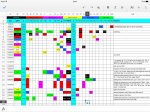
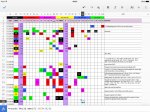
 I suspect he's bouncing from his lows the day before.