When you say glucose 'rundown', I assume you mean a glucose curve? (Testing every two hours.) I find it interesting that your vet just did a blood glucose test on your visit and wants you to come back for more blood glucose testing on Monday. I think that most vets normally do a urine test to see if there is sugar in it and then a fructosamine test to confirm the diabetes diagnosis (those give an average over previous 2 to 3 weeks so are not impacted by vet visit stress). They normally don't ask to do a curve until a cat is on insulin. Hmm...
You could tell your vet that you have been doing research and have found that a low-carb wet food diet is recommended, and that you want to try that first. Then, switch your cat's food and give that a few days to impact his glucose. It can make a huge difference when a cat goes from high carb food to low carb. For some cats, that switch is all that is needed to bring their glucose back to normal. If you are willing to home test your cat, you could go ahead and get a meter and strips (there are a lot of great tips on this site for home testing; it seems scary to begin with but usually becomes much easier pretty quickly). Glucose curves done in a vet's office are usually impacted by stress which makes the numbers appear higher than they are. So, if you can get the hang of testing, you will be able to do curves at home where your cat is more comfortable (and won't have to pay the vet for it).
I have a link in my signature to the food list created by Dr. Pierson (who created
catinfo.org). You can enter parameters and filter the list down to foods that meet those. Dr. Pierson says,
"I usually like to start with protein minimum of 40, fat maximum of 50, carb max of 10, and for cats with kidney issues....phos less than 300". Most of us find that we need to feed foods with even less than 10% carbs... I like to stay 3% or less. It is fine to feed multiple meals per day and leave the leftovers out for grazing. You can determine how many calories your cat should be eating (a common formula is 20 calories per pound of healthy body weight) and break it up into multiple meals. Until your cat's glucose is better regulated, he may need additional food since his body is not able to correctly use the food he is eating. With multiple cats, it is a little harder, but if no one is a bully eater, you should able to calculate the calories for them all and feed the group based on that. If your cat ends up on insulin, two of the meals need to correspond with the times of your insulin shots since a cat should eat when they are going to be given insulin. The normal routine is to test the cat's glucose, then feed, then give the shot. When someone is starting out, it is recommended that food be withheld for two hours before the pre-shot test so the test will not be food-influenced, and you will know it is safe to give the planned insulin. Once you have been at it awhile and are more familiar with your cat's insulin responses, that two-hour 'rule' does not have to apply (unless you just want to keep doing that).
This is always overwhelming and scary in the beginning, but it will get better. It is great that you found this place so soon after the diagnosis. Unfortunately, most vets know very little about feline diabetes, so we cat parents end up having to educate ourselves so we can determine what is best for our cats and not just blindly cooperate with everything the vet says. Hopefully, your vet is reasonable and will be willing to work with you. While the vet might not respond so well to you saying a bunch of people on the internet told you XYZ, maybe he/she will be more apt to take you seriously if you mention sources such as the
AAHA guidelines or vet-created catinfo.org. I think this one statement from the AAHA guidelines sums up the most important points (homes monitoring, low-carb diet.. and it mentions two really good insulin options): "Predictors of diabetic remission in cats include achieving excellent glycemic control within 6 mo of diagnosis, using intensive home monitoring, discontinuation of insulin-antagonizing medications, and use of insulin glargine (Lantus) or detemir (Levemir) along with a low-carbohydrate diet."
Post any questions you have, and let us know how things go!



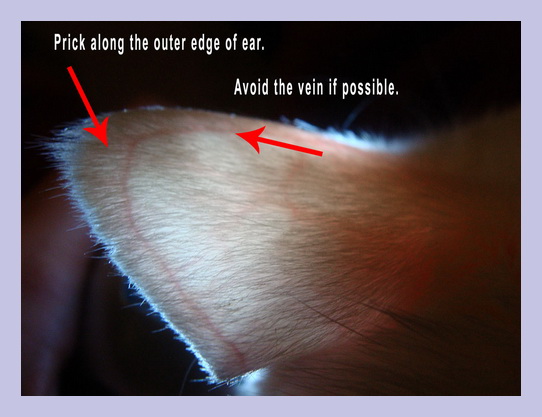
 And, you do not want to hit a vein (which would actually be pretty easy, not hard). The goal is to hit between the vein and the edge of the ear. As far as what to watch for, by the time you see visible symptoms of hypoglycemia it is late in the game and dangerous. If you are testing, you can catch it much quicker if the cat's glucose is going too low. You have time to intervene BEFORE it gets to the point of symptoms. I am so glad you have already figured out to ignore them on this!!!
 It makes me cringe that he told you to look for your cat to start "yowling" to know he is in trouble. Good lord. How ridiculous.