Stephanie Howard
Member Since 2016
I just posted this on a different page and someone recommended I post on here. Hopefully more people will see this and maybe someone has experienced this.
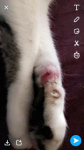
My cat JJ is about 10 years old. He is diabetic and we have been using insulin since September of last year. about 6 month he was running crazy around my house and I think cut or injured his right paw. A small bump started to show and I took him to the VET. The vet explained that this was a small sore that he has irritated and to keep covered until it dried out. I kept it covered and the sore healed. This is the 2nd time the same area has the sore. He tends to mess with this paw a lot and now the sore is back. The vet said that he has irritated it by licking it and that I need to keep covered and not let him lick. this doesn't cause him any pain but the last time I uncovered it, he licked it and it began to bleed. Vet recommend we get him a cone and to put peroxide on it until it dries up again. Please let me know any advice. picture below
My cat JJ is about 10 years old. He is diabetic and we have been using insulin since September of last year. about 6 month he was running crazy around my house and I think cut or injured his right paw. A small bump started to show and I took him to the VET. The vet explained that this was a small sore that he has irritated and to keep covered until it dried out. I kept it covered and the sore healed. This is the 2nd time the same area has the sore. He tends to mess with this paw a lot and now the sore is back. The vet said that he has irritated it by licking it and that I need to keep covered and not let him lick. this doesn't cause him any pain but the last time I uncovered it, he licked it and it began to bleed. Vet recommend we get him a cone and to put peroxide on it until it dries up again. Please let me know any advice. picture below