

Newly diabetic cat quiet, lethargic, low appetite

Status
Not open for further replies.

PJV2097

Member Since 2023
Hi folks

Our male cat, who is 9 years old, was diagnosed with diabetes last week. It is a shock and we're concerned, anxious, and upset, and want to do the absolute best for him. To that end, we have a few questions with which we'd really appreciate any help.

1. After starting insulin at the vet (he was kept in all day) he was very lethargic and had very low appetite. It is now day five, and he seems a *tiny* bit better, but still has a fraction of his old energy and appetite. Is this normal and are we on an upward curve back to relative normality? He was crazily loud and boisterous before!

2. Every time we give him his shot (10-20 mins after eating) he is sluggish. We think because he is eating so little. Energy improves 2-3 hours after eating, and he seems hungry. We are feeding him his usual high-quality wet food and diabetic kibble. We administer a dose of 1.5iu of Prozinc. At the vet, five days ago, fructosamine level was measured at 500.

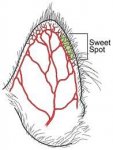
3. We would like to know if there are any alternatives to pricking his ears for glucose testing at home. Additionally, we are unsure if it is acceptable to take him to the vet for testing every two weeks in the initial stages of treatment.

4. We are also curious if there are any specialized veterinarians in the UK who specialize in feline diabetes treatment.

Any help would be really very much appreciated.
 
I’m tagging a Prozinc pro here for you @Suzanne & Darcy

lethargy and feeling lousy are common side effects of an unregulated diabetic cat and he’ll feel better as he gets more and more regulated. It’s does take time and patience but don’t despair. This is the best place for diabetic cats and the members here are way more knowledgeable than most vets out there.

what are the foods you’re feeding? Most diabetic dry foods are actually too high in carbs with the exception of Dr. Elseys and Young Again Zero Carb. Not sure if either are both are available in the UK

you can prick them paw instead of the ear or you can have a vet put a libre on. The libre only lasts 2 weeks and it’s not cheap.

With a diabetic cat you need:
  • A low carb wet diet that is 10% carbs or under. Most of us use around 4-7% carbs
  • A suitable insulin such as Lantus or Prozinc which are long acting, more gentle insulins than the old insulins.
  • We recommend hometesting the blood glucose with a human meter…it is not necessary to use a pet meter which is expensive to run and is no better. It will keep your kitty safe and you will know how the dose is working for your kitty. Only testing every so often will not tell you what is happening in between those times and an awful lot can happen in even a day.
  • HELP US HELP YOU has information about the spreadsheet, signature and hypo box which you will need to be able to look after your beloved kitty properly
A word of warning though…don’t change the food you are feeding at the moment over to the low carb food until you are testing the blood glucose because a change over can drop the BGs by up to 100 points and we don’t want you to have a hypo on your hands.

We are happy to help you with setting up the spreadsheet, sorting out what food to buy, how to transition safely to a low carb diet, how to learn to home test and much more.

This is an excellent site for diabetic cats…it has been around for more than 25 years and has very experienced people to help you.

Keep asking lots of questions.
 
Here is a link for UK members with lots of information just so you have it
https://www.felinediabetes.com/FDMB...-vit-b12-and-other-need-to-know-stuff.137376/

Also if you want to you can add to your title Looking for specialized vet in UK
To do this tap in where it say Thread Tools then tap on Edit Title add this to the end of your title then tap Save

If you can tap on the link Ale gave you Help Us Help you and do your signature that would be great , you can just tap on your name up top then tap on signature add the information that is asked in the Help Us Help You link add fill it out and tap save
If you need help setting g up your spreadsheet just ask we have a member who will be glad to do it for you
 
Last edited:
Thanks for getting back to me.

It's a great comfort to know there are people with the time and knowledge and inclination to help!

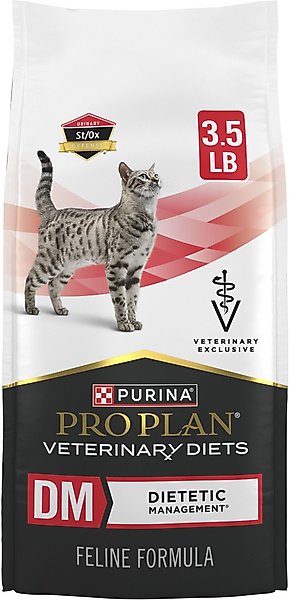
We switched from regular Purina One to Purina Pro Plan Diabetes (https://www.purina.co.uk/cat/cat-food/product-proplan-veterinary-diets-diabetes-management-dry) as soon as he returned from the vet. Is that a good one?

We've started wondering if this transition from a high-carb to a lower-carb diet was too sudden and if it could contribute to his lack of energy. But I guess now it's been 5-6 days we should probably stick to it?

In addition to the new kibble, we are still encouraging him to continue wet tuna pouches called Encore (this sort of thing https://encorepetfood.com/uk/cat/wet-food/pouches/tuna-fillet-with-whitebait-in-broth-pouch/). These pouches consist of 60% tuna and other fish, with only a minimal amount of rice. We have always fed both cats this brand, every day, so we are continuing to do so. We hope that this combination of food, along with the diabetic kibble, will be suitable for him. He has half a pouch in the morning and half at night.

We were also curious if the vet has come across any cases of cats going into remission from diabetes. Our cat has no other known health issues and was perfectly fine until about ten days ago when he started showing symptoms like excessive drinking, lethargy, and weakness in his back leg. We are optimistic about the possibility of him going into remission, although our vet seems less hopeful.

Thank you for suggesting the spreadsheet and other resources. We will look into them. Right now, we are still getting accustomed to administering the injections, but we're determined to do whatever it takes to help our cat.
 
We switched from regular Purina One to Purina Pro Plan Diabetes (https://www.purina.co.uk/cat/cat-food/product-proplan-veterinary-diets-diabetes-management-dry) as soon as he returned from the vet. Is that a good one?
If you are talking about the kibble it's 18% carbs which is too high
Is this what you are talking about
257225_MAIN._AC_SL600_V1602613275_.jpg
 
We were also curious if the vet has come across any cases of cats going into remission from diabetes. Our cat has no other known health issues and was perfectly fine until about ten days ago when he started showing symptoms like excessive drinking, lethargy, and weakness in his back leg. We are optimistic about the possibility of him going into remission, although our vet seems less hopeful.
The weakness in his back legs is probably diabetic neuropathy , once you get his glucose regulated it should go away
And yes remiss is always possible, it took me 2 years and 4 months to get Tyler in remission with the advice from the experienced members here .
He's been in remission since 1-24-21
 
If you are talking about the kibble it's 18% carbs which is too high

That's it, yes.

It is the one recommended by the vet.

Since he's gone from regular kibble to this kibble, is there merit in leaving him on this for a few more days, and then transitioning again to either solely our wet food / wet food plus your recommended kibble?

I should add that he's gone from a good amount of (regular) kibble in his bowl to a very meagre amount of the new diabetic one.
 
Last edited:
The weakness in his back legs is probably diabetic neuropathy , once you get his glucose regulated it should go away
And yes remiss is always possible, it took me 2 years and 4 months to get Tyler in remission with the advice from the experienced members here .
He's been in remission since 1-24-21

It was a limp: we assumed he'd got into a scrap or been too ambitious jumping down from the garden fence. It has gone now, anyway, thankfully!

We are really committed to doing the absolute best for him, and understand remission is most likely soon after diagnosis.

Thanks for the encouraging words.
 
It was a limp: we assumed he'd got into a scrap or been too ambitious jumping down from the garden fence. It has gone now, anyway, thankfully!

We are really committed to doing the absolute best for him, and understand remission is most likely soon after diagnosis.

Thanks for the encouraging words.
OK well then that's good , if it was neuropathy he would be walking flat footed like a rabbit and having to stop at times and rest then start to walk again
 
OK well then that's good , if it was neuropathy he would be walking flat footed like a rabbit and having to stop at times and rest then start to walk again

Oh, okay, great. We'll keep an eye out for that anyway.

Compared to one week ago, when he was (excessively, excruciatingly, but charmingly) vocal and very active (jumping on laps every five seconds) he's a shadow. He is quiet, sleeping a lot, and just seems listless. Again, I think he's marginally better every day ... or maybe we're just getting used to it.
 
That's it, yes.

It is the one recommended by the vet.

Since he's gone from regular kibble to this kibble, is there merit in leaving him on this for a few more days, and then transitioning again to either solely our wet food / wet food plus your recommended kibble?

I should add that he's gone from a good amount of (regular) kibble in his bowl to a very meagre amount of the new diabetic one.
Of course the vet recommended that kibble , they just go by what the manufacturer says.
I don't know if you can get these in the UK or any pet store or if the following ships to the UK
Here are some low carb dry foods ,they are about 5 or 6% carbs
None of them are cheap
You need to order them online
Dr Elseys you can buy on chewey site
https://www.chewy.com/dr-elseys-cleanprotein-chicken/dp/146269?utm_source=google-product&utm_medium=cpc&utm_campaign=12791446238&utm_content=Dr. Elsey's&utm_term=&show-search=1&gclid=EAIaIQobChMI0PvU2Zj79wIVRIdbCh3JawEkEAQYASABEgIInfD_BwE

Young again on their web site
https://www.youngagainpetfood.com
Take a look at the young again zero or the zero mature

Dr Elsey's also at Walmart
https://www.walmart.com/ip/Dr-Elsey...ViI3ICh0suwO_EAQYAiABEgJrOPD_BwE&gclsrc=aw.ds

Dr Elsey's Amazon
https://www.amazon.com/dp/B07FCJHDPR/?tag=felinediabetesfdmb-20

the Dr Elsey's comes in different size bags
None of these can be bought in stores

Also
Wysong Epigen 90
 
Last edited:
Of course the vet recommended that kibble , they just go by what the manufacturer says.
I don't know if you can get these in the UK to n any pet store or if the following ships to the UK
Here are some low carb dry foods ,they are about 5 or 6% carbs
None of them are cheap
You need to order them online
Dr Elseys you can buy on chewey site
https://www.chewy.com/dr-elseys-cleanprotein-chicken/dp/146269?utm_source=google-product&utm_medium=cpc&utm_campaign=12791446238&utm_content=Dr. Elsey's&utm_term=&show-search=1&gclid=EAIaIQobChMI0PvU2Zj79wIVRIdbCh3JawEkEAQYASABEgIInfD_BwE

Young again on their web site
https://www.youngagainpetfood.com
Take a look at the young again zero or the zero mature

Dr Elsey's also at Walmart
https://www.walmart.com/ip/Dr-Elsey...ViI3ICh0suwO_EAQYAiABEgJrOPD_BwE&gclsrc=aw.ds

Dr Elsey's Amazon
https://www.amazon.com/dp/B07FCJHDPR/?tag=felinediabetesfdmb-20

the Dr Elsey's comes in different size bags
None of these can be bought in stores

Also
Wysong Epigen 90

We'll take a thorough look into it. Thank you very much.
 
Are you home testing daily already? We don’t recommend transitioning from high carb food to low card if you’re not because it can drop the cat’s bg by as much as 100 point. Some cats go into remission just because of it. Bobo also went into remission but his diabetes was caused by the steroid he was taking and so I quickly tampered him off it it and put him on low carb food only.
 
Okay, if I can trouble you for a bit more of your attention, we have a real-time scenario ...

He hasn't eaten since 4pm (5-6 pieces of that kibble) and it is now 8pm and we've put down his usual wet food. Before he'd eat it all double-quick, but since last week is off it. And he was lingering around the bowl so we thought "Great, here we go, finally!"

But he had a tiny, tiny amount, and has wondered off. Seems quite happy, cleaning himself, etc.

What should we do? Hopefully he'll come back and have more food and then we can do the jab, but if he doesn't, what's the best course of action?
 
Are you home testing daily already? We don’t recommend transitioning from high carb food to low card if you’re not because it can drop the cat’s bg by as much as 100 point. Some cats go into remission just because of it. Bobo also went into remission but his diabetes was caused by the steroid he was taking and so I quickly tampered him off it it and put him on low carb food only.

We're not home testing yet. The vet didn't mention it but we thought after we've got the hang of the new routine and the act of injecting him — still a novelty! Didn't even know about diabetes in cats until this time last week! — we'll start doing home testing.

The thing is he seems to have no appetite anyway. He didn't eat at all when at the vet, last week, when we dropped him off for the first time with his regular kibble and regular wet food, and ever since coming back, since the first dose of insulin, is eating is 10% of what it was.
 
Okay, if I can trouble you for a bit more of your attention, we have a real-time scenario ...

He hasn't eaten since 4pm (5-6 pieces of that kibble) and it is now 8pm and we've put down his usual wet food. Before he'd eat it all double-quick, but since last week is off it. And he was lingering around the bowl so we thought "Great, here we go, finally!"

But he had a tiny, tiny amount, and has wondered off. Seems quite happy, cleaning himself, etc.

What should we do? Hopefully he'll come back and have more food and then we can do the jab, but if he doesn't, what's the best course of action?

Update — we've put down some kibble and he's merrily munching away, and has been now for a few minutes, so we'll give him the jab shortly.

But we're *really* confused about what to do tomorrow, because it sounds like switching to a low carb diet right away was a really bad idea. So should we ...

(1) Just stick with the diabetic kibble we have here.

(2) As above, but order the very low-carb kibble and transition onto it when it arrives.

(3) Back-track and re-introduce the old (non-db kibble) because we made a mistake in switching to the low carb diet immediately.

He's eating wet food all the while, FYI, but doesn't seem to like it much anymore, so eats a minuscule amount.
 
Hello and welcome to the forum! In addition to the feedback you have already received, I was wondering if you could please confirm which insulin syringes you are using? Prozinc is a U40 insulin, which will require U40 syringes or a dose conversion if using different syringes. Might be worth quickly verifying the info on the packaging. They typically come with a red cap, although I believe the cap colour can be different depending on where you are located, which appears to be the UK. In which case, some of the foods listed above may or may not be available. We do have this list that you can use for reference

UK Cat Food List
 
I would go back to higher card food until you can start home testing. Lethargy makes me think of 2 things. Either the dose is now too high for him because with the new food his bg could have come down or ketones. Did the vets tested for ketones? I’d start testing him for ketones daily. You can buy the urine test strips at any human pharmacy. Not enough food and not enough insulin puts him at risk for them. Are you able to syringe feed him to make sure he’s getting enough food for the insulin shots?
 
Another question, is he acting hungry then nauseated when you offer the food? As in is he licking his lips or licking the food and walking away? There are anti nausea meds you can try like Cerenia and ondansetron. You could also ask your vet for an apetite stimulant but if he’s nauseated, he’ll need the anti nausea before the apetite stimulant can work because a nauseated cat won’t eat. But I’d really like to rule out ketones and the insulin dose being too high. I’d suggest you look into starting to home test asap. It’s the only way to monitor how low the current dose is taking him.
 
I would go back to higher card food until you can start home testing. Lethargy makes me think of 2 things. Either the dose is now too high for him because with the new food his bg could have come down or ketones. Did the vets tested for ketones? I’d start testing him for ketones daily. You can buy the urine test strips at any human pharmacy. Not enough food and not enough insulin puts him at risk for them. Are you able to syringe feed him to make sure he’s getting enough food for the insulin shots?

The veterinarian has requested a urine sample from me (well, for our cat, I mean).

They did not collect one during the veterinary visit.

They have advised me to obtain the sample first thing in the morning, preferably before or after food and prior to administering insulin. However, I am feeling confused about the specific timing. When would be best, do you think?

He is eating but small amounts. But our other cat isn't eating so much either so I wonder if the eat / a not-great batch of wet food this week!
 
Another question, is he acting hungry then nauseated when you offer the food? As in is he licking his lips or licking the food and walking away? There are anti nausea meds you can try like Cerenia and ondansetron. You could also ask your vet for an apetite stimulant but if he’s nauseated, he’ll need the anti nausea before the apetite stimulant can work because a nauseated cat won’t eat. But I’d really like to rule out ketones and the insulin dose being too high. I’d suggest you look into starting to home test asap. It’s the only way to monitor how low the current dose is taking him.

He doesn't seem nauseated, no.

He waits around the bowl as normal, we put down the wet food, and he nibbles around the edges for a minute or two, then walks away.

Then our other cat dives in (it was always in this order: our boy cat always leaves half food for the girl cat).

So then we think "oh, we need to get him to eat more" so we coax him back, either trying to get him to eat more of the wet food, or with kibble. He usually has a a few more nibbles (1 minute tops) and then slopes off again. And then we decide it's now or never with the jab, so we lead him into the enclosed space that is our bathroom, and do the jab of 1.5iu as instructed by vet. He seems ... okay afterwards, and sits around, doesn't seem too sleepy or glassy, just highly inactive (but again, heatwave here). He used to chase our other cat and act the goat, but now he's lacking spirit. After 2-3 hours of this, he gets an appetite, and we put down a bit more kibble which he munches on quite happily.

We are going back to vet in seven days for a check-in, and will get on the case with home-testing as agreed it sounds like the only way.
 
I would go back to higher card food until you can start home testing. Lethargy makes me think of 2 things. Either the dose is now too high for him because with the new food his bg could have come down or ketones. Did the vets tested for ketones? I’d start testing him for ketones daily. You can buy the urine test strips at any human pharmacy. Not enough food and not enough insulin puts him at risk for them. Are you able to syringe feed him to make sure he’s getting enough food for the insulin shots?

We mixed in some of the old kibble yesterday night — 20/80 with the new diabetic kibble. I think we'll do that from now on — at least until he is tested at the vet next week and we're set up for home testing.
 
If he’s not eating enough even the 1.5 units could be too high a dose for him now. I’d try to get him to eat whatever he wants. It’s best that he eats to avoid a hypo if his blood sugar drops too low. Cats usually go the lowest around 5 or 6 hours after the shot. Tagging @Suzanne & Darcy again.

please keep in mind that most vets don’t think it’s necessary to home test but it’s like having a human diabetic child. Would you evens give them insulin without testing them if they can’t tell you, I’m going too low please give me some sugar? Even diabetic adults would never shots themselves without testing first.
 
It was a limp: we assumed he'd got into a scrap or been too ambitious jumping down from the garden fence. It has gone now, anyway, thankfully!

We are really committed to doing the absolute best for him, and understand remission is most likely soon after diagnosis.

Thanks for the encouraging words.
I've seen cats go into remission in two weeks and, as Diane said, her cat took two years. I've seen some cats take a few months and some a few years. @Hendrick Cuddleclaw you can share a lot of practical wisdom here about how you managed to get Hendrick into remission (of course, you were a textbook example of someone who followed the advice of this Board to the letter -- you did everything correctly.)
 
Oh, okay, great. We'll keep an eye out for that anyway.

Compared to one week ago, when he was (excessively, excruciatingly, but charmingly) vocal and very active (jumping on laps every five seconds) he's a shadow. He is quiet, sleeping a lot, and just seems listless. Again, I think he's marginally better every day ... or maybe we're just getting used to it.
I don't like it (the behavior change, that is.) Without knowing what his blood glucose level is and the nadir (the lowest point in his cycle for each 12 hour shot) we can't really know if it is blood glucose related or not. A cat on Prozinc will have blood glucose typically will start out higher in the morning and evening before the shot -- and then during the cycle will reach it's lowest point somewhere around +6 -- give or take a couple of hours. +6 just means six hours after the shot is given. We have no idea how low his BG is going and if it is a safe number. We also don't know how high he is going or how fast he is dropping, etc. Those kind of things are important to know. He may be feeling really strange or off due to all the changes. Maybe it's the high BG he doesn't like, you said he usually perks up a few hours after the shot? Is that correct? You will usually start to see some downward movement in the blood glucose in a cat on PZ at about two hours. Some cats will go down slowly, and some cats very rapidly (which we don't really want necessarily -- if the drop is too steep.) So really we are completely blind about what's happening with your baby.
 
The thing is he seems to have no appetite anyway. He didn't eat at all when at the vet, last week, when we dropped him off for the first time with his regular kibble and regular wet food, and ever since coming back, since the first dose of insulin, is eating is 10% of what it was.
This is not great either. He may drop too low in his blood glucose because he's not getting enough food to eat. Food is very important to help stabilize the blood sugar and to prevent steep drops in BG. This is why we recommend splitting up the food into multiple smaller meals throughout the cycle (especially in the earlier part of the cycle until about +6 or so when the insulin is working at it's strongest.)

A lot of cats do have a hard time at first in adjusting to being in more normal glucose numbers. Some will even hide when they are in healthy numbers that a normal cat would ordinarily have -- but the part that worries me is that we don't know where he is (still really high? or low? or too low?) It just worries me as I don't want him to have a hypoglycemic event.

Having said that, do you have what we call a "hypo kit?" There's information on it in the sticky notes that I believe Diane attached to a reply. Basically, you should have on hand some high carb (preferably wet) food like Fancy Feast Gravy Lovers foods (if you can get those locally?) and some Karo syrup (corn syrup) or honey. Some syringes for syringing liquid also would be a good idea just in case you ever need to syringe in some Karo syrup or a syrup and water mixture. I remember how really overwhelming all of this information was at first. My eyes just glazed over at one point and I would get so overwhelmed. It's like having a fire hose directed at you, isn't it!

I am still reading through this whole thread and replying as I see something that needs addressing.
 
The vet said to rule out other diseases or infection.
Well, it's never a bad idea to check for a urinary tract infection. I'm surprised they didn't do this at diagnosis. Of course, the vet will find glucose in his urine, that's to be expected. I do hope we can help you get set up with home testing and a spreadsheet and dosing, etc. I'd love to help. As I said, it's very daunting at first. We have lots of information and tips on how to get started with that. Your vet didn't tell you to home test, I know, but when you think about it, it's kind of crazy to inject insulin -- a hormone that can cause hypoglycemia -- and not know how low that dose (in this case 1.5 units) is dropping your kitty's BG. You would never do this to yourself, as someone said... or to a child. That's why there are so many different ways for people to check their blood sugar throughout the day (home blood testing, continuous glucose monitors, etc.) A lot can happen in a day with a cat on insulin, and some cats will show absolutely no symptoms when they are even in the 30s (which is very low) so you can't just base your decisions on the observation of your cat.
 
Well, it's never a bad idea to check for a urinary tract infection. I'm surprised they didn't do this at diagnosis. Of course, the vet will find glucose in his urine, that's to be expected. I do hope we can help you get set up with home testing and a spreadsheet and dosing, etc. I'd love to help. As I said, it's very daunting at first. We have lots of information and tips on how to get started with that. Your vet didn't tell you to home test, I know, but when you think about it, it's kind of crazy to inject insulin -- a hormone that can cause hypoglycemia -- and not know how low that dose (in this case 1.5 units) is dropping your kitty's BG. You would never do this to yourself, as someone said... or to a child. That's why there are so many different ways for people to check their blood sugar throughout the day (home blood testing, continuous glucose monitors, etc.) A lot can happen in a day with a cat on insulin, and some cats will show absolutely no symptoms when they are even in the 30s (which is very low) so you can't just base your decisions on the observation of your cat.
Do you think she should go down to 1 unit until she can start home testing him?

Do we know where in the UK folks get their testing supplies from?
 
Well, it's never a bad idea to check for a urinary tract infection. I'm surprised they didn't do this at diagnosis. Of course, the vet will find glucose in his urine, that's to be expected. I do hope we can help you get set up with home testing and a spreadsheet and dosing, etc. I'd love to help. As I said, it's very daunting at first. We have lots of information and tips on how to get started with that. Your vet didn't tell you to home test, I know, but when you think about it, it's kind of crazy to inject insulin -- a hormone that can cause hypoglycemia -- and not know how low that dose (in this case 1.5 units) is dropping your kitty's BG. You would never do this to yourself, as someone said... or to a child. That's why there are so many different ways for people to check their blood sugar throughout the day (home blood testing, continuous glucose monitors, etc.) A lot can happen in a day with a cat on insulin, and some cats will show absolutely no symptoms when they are even in the 30s (which is very low) so you can't just base your decisions on the observation of your cat.

Thanks for all the information in the previous few posts.

We have now just five days until we next see the vet. Before then, we'll purchase the best device to measure blood-glucose levels as recommended here on the forum, and will ensure we talk about it with the vet and are trained how to use it accordingly.

We do not have a "hypo kit" but I guess do in so many words, with various treats and honey in the cupboard. But we will check our supplies and put together a "hypo kit" properly.
 
One other matter is that we're struggling with the jab!

We've successfully done it twice daily since late last week (so I guess now 10-11 times).

However, it is not getting any easier. He doesn't seem to have much of a "fold" of skin below the base of the neck, and it is making it very tricky. It doesn't help that we're worried about the needle and ... well, it's a stressful time. We've watched many videos where the cat always seems placid and it's a world away from our experience.

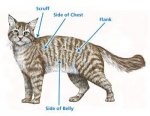
Are there other places on his body easier to insert the needle than the "fold" advised by the vet? He isn't keen, and the second the needle touches him he tries to skitter away. Of course, there is no escaping the needle, but having other options when it gets tricky would be good to know.

The positive side is that he put up a pretty good fight this evening and seems to be getting back some of his strength and vigour. In general, I'd say he is improving in general demeanour very gradually each day, with the nadir being the day after the vet (real zombie cat) up to today (maybe 60% of his old silly self). And again, it is unusually hot here, every day, and our other cat is also fairly lazy and lethargic (even by her impressive standards).
 
Yes actually, also some folks will inject while their cat so distracted eating

just want to add that most vets are not much help when it comes to testing. I actually made an appt just to have a vet tech show me how to do it and she couldn’t draw any blood. I did much better on my own with advice from folks here @Hendrick Cuddleclaw has a video on his signature and so does @JanetNJ we can give you lots of tips when you’re ready like always fight a low carb treat to build positive association and warming up the ear to help get a decent size droplet.

upload_2023-6-14_17-32-10.jpeg
 

Attachments

  • upload_2023-6-14_17-32-10.jpeg
    upload_2023-6-14_17-32-10.jpeg
    32.8 KB · Views: 1,025
UK TESTING SUPPLIES -
Many in the UK use ordinary glucose meters made for humans. And currently the most popular of those with UKers seems to be the Gluco Navii meter. It's widely available. And it's also possibly the cheapest to use. (The main cost of testing is the test strips).
Other human meters are also fine. If you're OK with buying on Ebay the One Touch Verio and Freestyle Lite are available there, and the test strips are a really good price.

Some people prefer to use pet meters. And some UK vets promote their use. But human meters are just fine. It's just important to understand that human meters and pet meters read the blood a little differently. Human meters typically read a tad lower than pet meters, and vice versa.

The most popular pet meter is the Alphatrak. It's also probably the most expensive to use. If choosing the Alphatrak you'd be better getting the new 'Alphatrak 3' because 'Alphatrak 2' is being discontinued.
Other pet meters are fine, and most are a lot cheaper than the AT. (There is some concern about the Cera Pet meter though which seems to have given some dodgy readings and may be best avoided...)

Syringes are also a lot cheaper bought online. VetUK do their own brand of U40s. Some folks prefer the Sol-Vet U40 syringes.
And insulin can 'often' be cheaper if bought online with a prescription from your vet. If your vet is willing to prescribe a few vials on the same prescription you should certainly be able to save some money.

If you have any more questions about this please just shout out! :bighug:

Eliz
 
Thanks for the info.

We are keen on the idea of the insulin pen, and also the insulin which is administered once per day (can't remember the brand name right now).

Do any UK people here have experience with these? The vet said only the ProZinc is approved in UK.
 
Thanks for the info.

We are keen on the idea of the insulin pen, and also the insulin which is administered once per day (can't remember the brand name right now).

Do any UK people here have experience with these? The vet said only the ProZinc is approved in UK.

And just to clarify, sorry — we'd really like Caninsulin and the VetPen.

I think this will help with our relative rubbishness at administering the jab (successful though by some miracle it continues to be) and our schedules (24 hours is better than 12 hours).

Is this something we can ask our vet to prescribe when we see them next week?
 
Caninsulin is not the best insulin for cats. As the name indicates, it was made for canines who have a much lower metabolism than cats. It’s a fast harsh insulin that does not last 12 hours so your cat is not protected all day. All insulins need to be administered twice a day as they don’t last more than 12 hours. From my original first comment here:

With a diabetic cat you need:
  • A low carb wet diet that is 10% carbs or under. Most of us use around 4-7% carbs
  • A suitable insulin such as Lantus or Prozinc which are long acting, more gentle insulins than the old insulins.
  • We recommend hometesting the blood glucose with a human meter…it is not necessary to use a pet meter which is expensive to run and is no better. It will keep your kitty safe and you will know how the dose is working for your kitty. Only testing every so often will not tell you what is happening in between those times and an awful lot can happen in even a day.
  • HELP US HELP YOU has information about the spreadsheet, signature and hypo box which you will need to be able to look after your beloved kitty properly
 
And a pen — is there a pen compatible with Prozinc so we can make jab-time more easy? Or are syringes the best way forward?
Prozinc can only be given with syringes. Caninsulin can be administered with a Vetpen or with syringes. However, syringes give much more flexibility with regard to dosing. The Vetpen can only dose in half unit increments, but using syringes means that much subtler doses can be measured/given.

and also the insulin which is administered once per day (can't remember the brand name right now).
There isn't an insulin that can be given effectively once a day. But, there are some vets who mistakenly think that this is the case... I think the misunderstanding comes from the fact that some insulins, Lantus and Levemir for example, last 24 hours in humans. But, cats metabolize insulin around twice as fast as humans do....

What issues are you having with the insulin shots at the moment? Maybe we can help? ...BTW...while some people find giving insulin shots easy from the outset, I was one who really struggled at first. But it does get easier, honestly!

Eliz
 
Prozinc can only be given with syringes. Caninsulin can be administered with a Vetpen or with syringes. However, syringes give much more flexibility with regard to dosing. The Vetpen can only dose in half unit increments, but using syringes means that much subtler doses can be measured/given.


There isn't an insulin that can be given effectively once a day. But, there are some vets who mistakenly think that this is the case... I think the misunderstanding comes from the fact that some insulins, Lantus and Levemir for example, last 24 hours in humans. But, cats metabolize insulin around twice as fast as humans do....

What issues are you having with the insulin shots at the moment? Maybe we can help? ...BTW...while some people find giving insulin shots easy from the outset, I was one who really struggled at first. But it does get easier, honestly!

Eliz

That is all monumentally clear and helpful. Thank you.

Our struggles are ...

1. Above all, we really don't want to hurt the little guy and his flinching breaks our hearts (emotional, I know).

2. He doesn't want the jab and skits around, yelps, runs off, hides under the bed — and so now we carry him into the bathroom and close the door behind us!

3. When in the bathroom, he trots around, and does his darndest to make access to his neck while holding the needle difficult-impossible. He's never been one to sit still.

4. When we do finally engineer a situation to get the fold of his neck, there just doesn't seem to be enough fold to really grab a hold of. We have watched many videos and it looks easy, and the cats in the video seem to have excess neck / back skin! Our guy just doesn't have that. There's nothing much to grab.

5. Soon as the needle is primed and pricks his neck, he jerks away in an instant, and we panic with the needle.

6. Eventually we distract him — a little bit of kibble, a few leaves brushing his nose — and we inject.

Sometimes the above takes ten minutes; other times one minute. We haven't missed a jab yet despite the above, and despite the second occasion causing him to yelp loudly (which was heartbreaking).

Does anyone have repeated success with injecting other parts?
 
Status
Not open for further replies.
Back
Top