
Jackson - Newly Diagnosed and I am Overwhlemed

char_borg

Member Since 2026
Hey all.

This forum seems like a wonderful spot with so much information.

Jackson is 10 years old. At his vet visit today, his blood sugars were right around 600. We are going to start him on 2 ml of insulin, 2x daily. His first glucose curve is scheduled for 03/16/26. The vet and I were both a little flustered (I also got some new, unfortunate diagnoses today) and we didn't set a plan for transitioning to a different food.

Are there any foods you all might recommend that I can buy over the counter until I can get his recommended food?

And, also, any recommendations in general while we are still at the very beginning of this adventure?

Thank you all for any info or guidance you might be able to offer.

All the best,
Amanda B
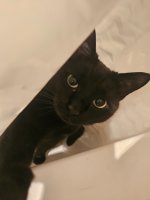
 
Jackson:
 

Attachments

  • 20241004_105835.jpg
    20241004_105835.jpg
    1.2 MB · Views: 11
Hi and Welcome to the FDMB! Wow what a beautiful boy you have there. Love those eyes! I am sorry to hear about the unfortunate diagnosis

It is okay and normal to feel overwhelmed. I remember feeling like I was drowning, and this place was like a life preserver that saved me and my boy Hendrick!

Many people feed Fancy Feast classic pates, they are a bit high in phosphorus but almost all are low carb and suitable for a diabetic feline. Other options are some Tiki cat varieties, weruva too.

General recommendations: get a blood glucose meter and learn how to test his blood glucose (BG) at home. Now, I thought this was impossible when someone suggested it to me and in fact, I had a heck of a time learning how to do it but thanks to the wonderful tips from people here, and my determination to do everything possible for my boy -- I did learn how. Took me a few weeks to get the hang of it though I'll be honest.

If the vet said only feed twice a day and he's hungry at other times, it's ok to give 1 or 2 other, small meals/snacks during the day.

Make a tracking spreadsheet and pick a dosing method like Tight Regulation, that's what I did and I was able to get my boy Hendrick into diabetic remission with all the help from the gurus here. He was also 10 years old at diagnosis.

Keep asking questions! :)
 
Any commercial canned food that is low in carbs is going to be more affordable and better than the expensive prescription food your vet recommends / pushes. There's nothing in prescription food that helps a diabetic cat, no matter that your vet says. It's ok to disagree with the vet about food. Many members here, especially newbies, have had to push back against the prescription food. Your vet can't force you to feed prescription food anyways.. It's your money and your cat so you decide what to best feed your cat.

Fancy Feast Classic / Gourmet pates are just fine. The short list: Glutenfree - Felinediabetes.com There may be more varieties now.

You can check these other charts for additional brands of suitable food:

Links to FOOD CHARTS
Cat Food As-Fed Chart

Any food that has 10% or less carbs is best. Keep a few cans of higher carb foods on hand to use in case of a hypo. These are typically gravy based foods and some really poor quality foods. I've used Science Diet pate in the past that was way over 20% carbs.

Multiple small meals spread throughout the day and a midnight snack or two works for most diabetic cats. A programmable timed feeder works to give the meals if you're not home or don't want to get out of bed in the middle of the night.

No dry food at all. It just keeps blood glucose levels high.

Low carb treats are best, too. Freeze dried treats that are 100% meat of fish are best. PureBites is one brand but there are many others.

A 2025 guide to managing diabetes you can read and discuss with your vet: 2025 iCatCare consensus guidelines on the diagnosis and management of diabetes mellitus in cats

What is the name of the insulin your vet will prescribe? ProZinc and Lantus (glargine) are the best insulin choices. Insulin is measured in doses, not ml. 2 ml (two full syringes) is a massive OD for a cat. 2 units is a more typical cat sized dose but still a bit too much to start with. It's way safer to start as low as possible and increase as needed than to start too high and risk a hypo. Insulin can pack a punch. No more than 1 unit twice a day is suggested for most newbies.

You don't need the vet curve. Not only will it cost you money, but it's going to be inaccurate because your stressed out cat will have high blood glucose levels all day. Learn how to test your cat's blood glucose levels at home and do it at least twice a day. Daily testing of blood glucose levels is an important part of managing your cat's diabetes, just like it is for Human diabetics. You don't need the vet's permission to test. Buy any Human blood glucose meter (pet ones are too expensive and no more accurate) and follow the tips here: Hometesting Links and Tips
 
Welcome to FDMB
It is overwhelming when we hear the words Feline Diabetes we all have been there, but the good news is that Feline Diabetes is manageable, with the right insulin, the best insulin for cats ar ProZinc and Lantus they are a 12 -hour insulin and easy on the cats' system, also home testing. It is very important to test your cats glucose level before shot, to avoid a hypoglycemic episode, also diabetic cats need to have a diet of wet can or raw foods between 0-10% carbs, so please save your money and the so called "prescribed" or "diabetic food" these foods contain between 20-30% carbs, cats cannot digest carbs, most members use Fancy Feast pates between 0-10% carbs most fed up to 5%, also for home testing you do not need an expensive pet meter, most members use the ReliOn Premier human monitor and strips (Walmart), below is a Drs. Food list, the third column contains the carb % for each food, Also you do not need to spend money to do a curve for Jackson, a curve is simply testing every 2 hours for 1 cycle, (12 hours) cats are very sensitive to stress, testing at the vet will only cause Jackson to become very stressed, causing a false glucose reading, that can also cause an unnecessary dose increase. We would like you to create your signature and Jackson's spreadsheet, link below, we are here for you to help you in this journey, this Forum and their members save cats 'lives, like my Corky
We can also assist you on dose increases/decreases which apparently Jackson does not have, did the vet check for Ketones? what insulin wqas Jackson prescribed? we are here for you, keep posting 🤗

Sticky - New? How You Can Help Us Help You!
Info - Dr. Pierson - new Food Chart
 
Welcome to FDMB, Amanda.

There's a ton of good information in the notes above. Don't be surprised if you start feeling overwhelmed. Getting hit with your cat's diabetes diagnosis is a lot to wrap your head around and as you're seeing, the members here are very generous with their knowledge and experience. The wealth of information can add to feeling overwhelmed. I also hope you're doing OK since it sounds like you were hit with more than just your cat being diabetic.

There are a few basics to getting started.

Home testing: We are HUGE advocates. Frankly, no matter what your vet may tell you (e.g., "Your cat will hate you.") it's the only way to keep your cat in safe blood glucose numbers and for you to know if what you're doing is working. It takes a few weeks to get your cat's ear to bleed easily and for you to become confident that you're not hurting your cat. You're not hurting your cat. There are not all that many pain receptors along the edge of a cat's ear. Treats also help! In recent times, there are now continuous glucose monitors (CGMs) like the Freestyle Libre. This is a sensor that is attached to your cat and you can get blood glucose readings on your phone. The sensors need to be replaced every 2 weeks but it doesn't involve routinely poking your cat's ear.

Insulin: As mentioned, Lantus (glargine) and Prozinc are the two insulins that veterinary organizations recommend for treating feline diabetes. We have webpages for each insulin along with dosing guidelines to help you with the process.

Food: The only way to effectively treat diabetes is with a medication that lowers blood glucose levels and a low carbohydrate diet. It's the same with humans. The big difference with cats is that kibble is widely available, some cats are kibble addicts, and the food manufacturers have "prescription" diabetic diets that include both canned and dry food. Not all of the prescription food is low in carbs (most of the dry food is not low in carbs) and most of it is truly poor quality. The pet food companies lost a class action lawsuit for calling their food "prescription" since there's nothing in the food that requires a prescription and there's even less in it that treats most medical conditions. We consider any food that is under 10% carb to be low carb although most members feed their cats a food that is in the neighborhood of 5%. We also recommend canned food. Cats do not have a huge thirst drive. Canned food has a high moisture content which addresses this need which is especially important given that diabetes is hard on the kidneys and water helps with kidney health. There are also more low carb options with canned foods. There are only a scant few dry foods that are low in carbs. Raw food diets are also low in carbs and there are quite a few members here who feed their cats a raw diet and can offer suggestions if you're interested.

Please let us know how we can help.
 
Back
Top