Hi everyone, new here!

Status
Not open for further replies.

Belinda23

Member Since 2023
Hi all, my beautiful 11yo burmese was diagnosed last week. He’s always been overweight but dropped 0.7kg between our last two vet visits 2 weeks apart from an unrelated issue. He’s completed 2 BG curves in vets, first one at 3 units of gargline where he went down to 3.3mmol then a second at 2 units. He’s currently on 2 units twice daily and I’ve only just started home BG monitoring which he hates but I’m sure we will both get better at. I’m in Australia so any suggestions to assist diet, home monitoring would be appreciated. I’ll continue to read through all the forums for n this page to try to get a better understanding of this.
 
Hi Belinda and Mali and welcome to the forum. What a beautiful boy!
I live in Sydney.
Well done getting your spreadsheet and signature set up. That helps a a lot. Can you put the type of meter you are using in the signature please? I see you have an accuchek meter and ketone test which is great.
Excellent you are checking for ketones!
Here is a link to information for Aussie caregivers. Some of the foods have changed but I haven’t had a chance to update them. Just ask me if you have any questions about any of it.
INFORMATION FOR Aussie caregivers

Are you using syringes or a pen to give the insulin?
We recommend you use syringes so that you can increase and decrease the dose in 1/4 unit increments, not 1 unit increments.
The syringes you will need, if you don’t have them are U100, 3/10ml, 30 or 31 gauge, 6 or 8 mm insulin syringes. BD ultra fine syringes are good. We can’t get 1/2 unit syringes out here in Australia.

I see you are not getting any tests in during the PM cycles. I would recommend you always try and get at least one test in every cycle. Even a before bed test is good. Cats often drop lower at night.
And always test before every dose of insulin to see it is safe to give the dose.
3 units was a very large dose to start off with. Even 2 units is a lot.

What are you feeding Mali at the moment?
We recommend feeding a low carb, 10% or under carbs, wet diet.
Feed a good meal before the dose and then give 2 or 3 snacks during the first 6 or 7 hours of each cycle. A snack is a teaspoon or two of low carb food.
You should be able to get some low carb canned Foods at WW and places like Petbarn or one of the other pet stores.
There is no need to feed a prescription diet from the vet. They are expensive and usually too high carb.
Bron
 
Welcome to FDMB!

Bron will have great information for you especially when it comes to what's available in Australia.

In addition to the suggestions that Bron made (e.g., a low carbohydrate, canned food diet, getting at minimum a test before you head off to sleep every night), I'd encourage you to read over the sticky notes at the top of the Lantus board if you've not done so already. There's a great deal of information about glargine, how it works, dosing methods, etc.

Please let us know if you have questions. We're here to help.
 
You already got a ton of great info and I just wanted to add some testing tips:

You want to use "THIN" lancets. "Thin" is thicker than "Ultra Thin" or "Micro Thin". Once your cats ears "learn to bleed", you can use the 30 gauge lancets.

As you poke, the body will start to grow more capillaries into the area to "heal the wound", so even if you don't necessarily get a good blood sample, in the long run it'll get easier and easier.

It can be really helpful to establish a routine with testing. Pick one spot that you want your "testing spot" to be (I like the kitchen counter because it's got good light and it's at a good height....it also already blocked 2 escape routes due to the wall and the backsplash) It can be anywhere though...a rug on the floor, a table, a particular spot on the couch...wherever is good for you. After Minnie got used to testing, the spot didn’t matter anymore. I could literally test her anywhere she happened to be and she was fine with it.

Take him there as many times a day as you can and just give his ears a quick rub and then he gets a yummy (low carb) treat. Most cats aren't objecting so much with the poking..it's the fooling with their ears they don't like, but once they're desensitized to it and learn to associate a certain place with the treats, they usually start to come when they're called! Or even when they hear us opening the test kit!

You also have to remember...you're not poking him to hurt him...you're testing him to keep him safe and understand what's going on inside his body. There's just nothing better than truly understanding what's going on inside your kitty's body and with this disease, the more knowledge you have, the more power you have against it. The edges of the ears have very few pain receptors, so it really doesn't hurt them. Also, if you're nervous and tense, it's going to make your kitty nervous and tense too. As silly as it might seem, try singing! It forces you to use a different part of your brain!

It's also important to make sure his ear is warm. A small sock filled with a little rice and microwaved or a small pill bottle filled with warm water (check temp against your wrist like you would a baby bottle) works well

For new kitties, using a heavier gauge lancet is also really helpful. A 25-28 gauge lancet pokes a bigger "hole" than a 31-33 gauge lancet does, so look for "Alternate Site testing" lancets that are usually a lower number

Finding the right "treat" will be a great help too! Freeze dried chicken, bonito flakes, little pieces of baked chicken...whatever low carb treat you can find that he really enjoys will help him to associate the testing with the treat!

There are more testing tips here:

http://www.felinediabetes.com/FDMB/threads/hometesting-links-and-tips.287/

 
Hi Belinda and Mali and welcome to the forum. What a beautiful boy!
I live in Sydney.
Well done getting your spreadsheet and signature set up. That helps a a lot. Can you put the type of meter you are using in the signature please? I see you have an accuchek meter and ketone test which is great.
Excellent you are checking for ketones!
Here is a link to information for Aussie caregivers. Some of the foods have changed but I haven’t had a chance to update them. Just ask me if you have any questions about any of it.
INFORMATION FOR Aussie caregivers

Are you using syringes or a pen to give the insulin?
We recommend you use syringes so that you can increase and decrease the dose in 1/4 unit increments, not 1 unit increments.
The syringes you will need, if you don’t have them are U100, 3/10ml, 30 or 31 gauge, 6 or 8 mm insulin syringes. BD ultra fine syringes are good. We can’t get 1/2 unit syringes out here in Australia.

I see you are not getting any tests in during the PM cycles. I would recommend you always try and get at least one test in every cycle. Even a before bed test is good. Cats often drop lower at night.
And always test before every dose of insulin to see it is safe to give the dose.
3 units was a very large dose to start off with. Even 2 units is a lot.

What are you feeding Mali at the moment?
We recommend feeding a low carb, 10% or under carbs, wet diet.
Feed a good meal before the dose and then give 2 or 3 snacks during the first 6 or 7 hours of each cycle. A snack is a teaspoon or two of low carb food.
You should be able to get some low carb canned Foods at WW and places like Petbarn or one of the other pet stores.
There is no need to feed a prescription diet from the vet. They are expensive and usually too high carb.
Bron

Hi Bron and Sheba, thanks so much for all the information provided, that’s very helpful.

We are in Adelaide and luckily I got a holiday to Sydney in just before Mali’s diagnosis.

I’m using the BD ultra fine 31g x 8mm syringe u100. How would you use these to reduce/increase by 1/4 units as they appear to be only marked as full units.

I will certainly start PM tests, at least one before bedtime. Mali used to be a dry food eater but started to go off it a week before diagnosis. He’s now eating the FF seafood classic pates and FF creamy delights chicken feast with some raw kangaroo meat. I’m using Feline Natural Freeze Dried Lamb and Salmon as a treat.

I’m taking him to vet tonight after food before insulin for BG check. I’ll tell them I’m home testing. I also need them to tell me when to reduce dose etc based on pre testing. They didn’t mention home BG monitoring to me at last visit.
Thanks again!!
 
Welcome to FDMB!

Bron will have great information for you especially when it comes to what's available in Australia.

In addition to the suggestions that Bron made (e.g., a low carbohydrate, canned food diet, getting at minimum a test before you head off to sleep every night), I'd encourage you to read over the sticky notes at the top of the Lantus board if you've not done so already. There's a great deal of information about glargine, how it works, dosing methods, etc.

Please let us know if you have questions. We're here to help.
Thank s so much Sienne and Gabby. I’ve got lots of reading to do!!
 
You already got a ton of great info and I just wanted to add some testing tips:

You want to use "THIN" lancets. "Thin" is thicker than "Ultra Thin" or "Micro Thin". Once your cats ears "learn to bleed", you can use the 30 gauge lancets.

As you poke, the body will start to grow more capillaries into the area to "heal the wound", so even if you don't necessarily get a good blood sample, in the long run it'll get easier and easier.

It can be really helpful to establish a routine with testing. Pick one spot that you want your "testing spot" to be (I like the kitchen counter because it's got good light and it's at a good height....it also already blocked 2 escape routes due to the wall and the backsplash) It can be anywhere though...a rug on the floor, a table, a particular spot on the couch...wherever is good for you. After Minnie got used to testing, the spot didn’t matter anymore. I could literally test her anywhere she happened to be and she was fine with it.

Take him there as many times a day as you can and just give his ears a quick rub and then he gets a yummy (low carb) treat. Most cats aren't objecting so much with the poking..it's the fooling with their ears they don't like, but once they're desensitized to it and learn to associate a certain place with the treats, they usually start to come when they're called! Or even when they hear us opening the test kit!

You also have to remember...you're not poking him to hurt him...you're testing him to keep him safe and understand what's going on inside his body. There's just nothing better than truly understanding what's going on inside your kitty's body and with this disease, the more knowledge you have, the more power you have against it. The edges of the ears have very few pain receptors, so it really doesn't hurt them. Also, if you're nervous and tense, it's going to make your kitty nervous and tense too. As silly as it might seem, try singing! It forces you to use a different part of your brain!

It's also important to make sure his ear is warm. A small sock filled with a little rice and microwaved or a small pill bottle filled with warm water (check temp against your wrist like you would a baby bottle) works well

For new kitties, using a heavier gauge lancet is also really helpful. A 25-28 gauge lancet pokes a bigger "hole" than a 31-33 gauge lancet does, so look for "Alternate Site testing" lancets that are usually a lower number

Finding the right "treat" will be a great help too! Freeze dried chicken, bonito flakes, little pieces of baked chicken...whatever low carb treat you can find that he really enjoys will help him to associate the testing with the treat!

There are more testing tips here:

http://www.felinediabetes.com/FDMB/threads/hometesting-links-and-tips.287/
Thank you Ale, Bobo & Minnie. Some great tips there but I’m a terrible singer so that might make him run!! I’m using 30g lancets as that is all the chemist had. I tried to get 28g after doing some reading so perhaps I’ll try a different chemist.

I’m using the warm rice sock and he’s loving his new freeze dried treats. I am nervous doing it so will certainly take on your advice that I’m not doing it to hurt him ! Thanks again
 
Hi Bron and Sheba, thanks so much for all the information provided, that’s very helpful.

We are in Adelaide and luckily I got a holiday to Sydney in just before Mali’s diagnosis.

I’m using the BD ultra fine 31g x 8mm syringe u100. How would you use these to reduce/increase by 1/4 units as they appear to be only marked as full units.

I will certainly start PM tests, at least one before bedtime. Mali used to be a dry food eater but started to go off it a week before diagnosis. He’s now eating the FF seafood classic pates and FF creamy delights chicken feast with some raw kangaroo meat. I’m using Feline Natural Freeze Dried Lamb and Salmon as a treat.

I’m taking him to vet tonight after food before insulin for BG check. I’ll tell them I’m home testing. I also need them to tell me when to reduce dose etc based on pre testing. They didn’t mention home BG monitoring to me at last visit.
Thanks again!!
Hi Belinda,
I am glad you are using the syringes as they make it much easier to increase smaller increments.
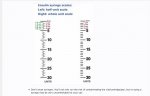
How many units do your syringes hold? There are 30 unit, 50 unit and 100 unit syringes. You need the 30 unit ones.
Below is a picture of how 30 unit syringes look. The markings on the left side show the 1/2 unit markings which we can’t get in Australia but the picture on the right shows the 1 unit markings of the 30 unit syringe.

upload_2023-12-4_12-39-41.jpeg


I’m taking him to vet tonight after food before insulin for BG check. I’ll tell them I’m home testing. I also need them to tell me when to reduce dose etc based on pre testing. They didn’t mention home BG monitoring to me at last visit.
Glargine (Lantus) dosing is based on the nadir, or lowest point in the cycle, not the preshot. That is why it is so important you get tests done during the cycles so we can see how low the dose is taking Mali.
A lot of vets do not encourage hometesting, or don’t think it is necessary. But we have seen time and again it save kitties lives.
We are happy to help you with dosing here if you like. We have two dosing methods which we follow.
Here are the DOSING METHODS
Have a look at them and see which one would suit you better. It is much better to follow a dosing method than just increase or decrease in an ad hoc manner
You might like to print them off and show the vets.
Just be aware that a lot of vets do not know a lot about feline diabetes, because they have so many other animals and diseases to content with, and may or may not be interested to learn more about feline diabetes.
Don’t let the vets increase the dose. We need to see more testing before being able to say if the dose needs to be increased, reduced or stay the same.
 

Attachments

  • upload_2023-12-4_12-39-41.jpeg
    upload_2023-12-4_12-39-41.jpeg
    32.1 KB · Views: 244
Hi Belinda,
I am glad you are using the syringes as they make it much easier to increase smaller increments.
How many units do your syringes hold? There are 30 unit, 50 unit and 100 unit syringes. You need the 30 unit ones.
Below is a picture of how 30 unit syringes look. The markings on the left side show the 1/2 unit markings which we can’t get in Australia but the picture on the right shows the 1 unit markings of the 30 unit syringe.

View attachment 68207


Glargine (Lantus) dosing is based on the nadir, or lowest point in the cycle, not the preshot. That is why it is so important you get tests done during the cycles so we can see how low the dose is taking Mali.
A lot of vets do not encourage hometesting, or don’t think it is necessary. But we have seen time and again it save kitties lives.
We are happy to help you with dosing here if you like. We have two dosing methods which we follow.
Here are the DOSING METHODS
Have a look at them and see which one would suit you better. It is much better to follow a dosing method than just increase or decrease in an ad hoc manner
You might like to print them off and show the vets.
Just be aware that a lot of vets do not know a lot about feline diabetes, because they have so many other animals and diseases to content with, and may or may not be interested to learn more about feline diabetes.
Don’t let the vets increase the dose. We need to see more testing before being able to say if the dose needs to be increased, reduced or stay the same.
Hi Bron, yes i have the 30 unit syringes. I didn't realise that dosing is based on the nadir so i'm certainly learning a lot. Ill do some reading to find out what nadir reading is too low and should miss or decrease a dose. How did you manage to decrease doses to 1/4 or 1/2 units when the Australian syringes are only marked at full units?

I definitely wont let his current dose be increased tonight considering you mentioned that 2 units twice daily is quite a high starting point.

I've looked at the TR and SLGS dosing methods and the SLGS would probably suit me better as i have to work in the office in the CBD 3 days a week and on those days i would have little opportunity to test his blood multiple times a day. I just panic all day when im in the office as i don't know if he is ok - so i've just purchased a security camera to keep an eye on him.

His current dose is higher than the recommended starting doses for either of the dosing methods so i might chat to vet to get it down a bit lower and show her home results from today (AMPS - 17.0/306, +3 12.0/216 , +6 11.2/202). I'm also going to test at +9. He will have his PMPS at the vets tonight.

Thank you again and i hope i am getting all the technical terms right.
 
Last edited:
Have you thought about buying an automatic timed feeder to use while you are in the office. I found one invaluable for when I was not at home and Sheba absolutely loved it and would come running as soon as she heard it start to turn, which meant FOOD!
Here are a couple of times feeders.
https://www.catch.com.au/product/to...MIksypuen0ggMVMtMWBR0IIwNfEAQYDCABEgKoG_D_BwE

This is the one I had. But the one above looks great and is cheaper. They are fine for wet food. Just need to wash out the tray each day.
I used mine at night as well. To make sure they don’t eat for the 2 hours before preshot BG, you just get the feeder to turn to an empty tray at +10.
https://petoutlet.com.au/products/6...MIksypuen0ggMVMtMWBR0IIwNfEAQYCCABEgK8oPD_BwE

I used a magnifying glass and good light to get the 1/4 unit doses. I mentally divided the unit into 1/2 then each of those halves into half again to get the 1/4 unit dose. You get used to dosing the 1/4 units very quickly.
We used to be able to get a firm in the UK to deliver 1/2 unit syringes to Australia but all that stopped when covid appeared. I’ve Been looking for ages for someone else to deliver here without success. Recently someone told me they had found someone who would deliver. I just need to find them again as I didn’t bookmark it at the time. I’ll let you know if I can find it.

If you are going to follow SLGS, you hold the dose for a week and then do a curve. Then you decide if you need to increase the dose. If at any time the BG drops under 90, you immediately reduce the dose by 1/4 unit.
We are happy to help you every day until you get the hang of it. We have very experienced people here who can help with dosing.
It sounds as if you are super organised.
 
Have you thought about buying an automatic timed feeder to use while you are in the office. I found one invaluable for when I was not at home and Sheba absolutely loved it and would come running as soon as she heard it start to turn, which meant FOOD!
Here are a couple of times feeders.
https://www.catch.com.au/product/to...MIksypuen0ggMVMtMWBR0IIwNfEAQYDCABEgKoG_D_BwE

This is the one I had. But the one above looks great and is cheaper. They are fine for wet food. Just need to wash out the tray each day.
I used mine at night as well. To make sure they don’t eat for the 2 hours before preshot BG, you just get the feeder to turn to an empty tray at +10.
https://petoutlet.com.au/products/6...MIksypuen0ggMVMtMWBR0IIwNfEAQYCCABEgK8oPD_BwE

I used a magnifying glass and good light to get the 1/4 unit doses. I mentally divided the unit into 1/2 then each of those halves into half again to get the 1/4 unit dose. You get used to dosing the 1/4 units very quickly.
We used to be able to get a firm in the UK to deliver 1/2 unit syringes to Australia but all that stopped when covid appeared. I’ve Been looking for ages for someone else to deliver here without success. Recently someone told me they had found someone who would deliver. I just need to find them again as I didn’t bookmark it at the time. I’ll let you know if I can find it.

If you are going to follow SLGS, you hold the dose for a week and then do a curve. Then you decide if you need to increase the dose. If at any time the BG drops under 90, you immediately reduce the dose by 1/4 unit.
We are happy to help you every day until you get the hang of it. We have very experienced people here who can help with dosing.
It sounds as if you are super organised.

Thanks Bron, how would a multi cat house go with the automatic feeder as I’m a bit concerned another of my cats would always be there first?
 
Thanks Bron, how would a multi cat house go with the automatic feeder as I’m a bit concerned another of my cats would always be there first?
The only way around that, apart from separating them, which I'm sure you don't want to do, is to get a microchip feeder, which is more expensive.
I'm not sure what is available in Australia with those. Check these out. Looks like they dont have multiple bowls though. But at least you would know Mali would get the food. See what you think
https://www.mydeal.com.au/sure-petc...jxFXIPDcovthHNeuITkaAnaJEALw_wcB&gclsrc=aw.ds

https://www.google.com/search?q=mic...YBHZNyAfgQ1TV6BQgFEL4C&biw=1366&bih=627&dpr=1
 
How are things going Belinda?
Hi Bron, I’ve been in the office today so only did AMPS and PMPS. Vet was very happy with his numbers from yesterday which I showed from my home testing. He had also put back on some of the weight he’d lost in the proceeding two weeks before his diagnosis. They advised to leave him on his current 2 units twice daily which was a relief. I only gave him 1 unit last night as he didn’t eat too much before I took him to the vet and wouldn’t eat after probably from stress of vet visit. His numbers rose today perhaps because of half dose last night. He has eaten well today. Just wanted to check that now I have decided on the SLGS dosage due to work during the week, should I continue to do pre shot BG readings AM/PM daily and then do the a curve say on a Sunday weekly? Vet doesn’t want to see him for a fortnight now and she advised to perhaps miss a dose if his pre shot is below 10mmol/L. Does that sound reasonableto you. I really appreciate the help!!
 
I’m glad the vet visit went well.
Can you put glargine (Lantus) and SLGS into the signature please so that people helping you can see at a glance the insulin and method you are using? Thx

Did you read the SLGS method? I would print it off so you can refer those it and hilight things.
So test before every dose. I would try and get tests in during cycles if you can as it all helps and if Mail happens to be bouncing at all during a curve day, you have other data there to see how low he goes on the dose. And don’t forget that all important before bed test every night.
If the before bed test is lower than the preshot test, I would recommend setting the alarm and testing again a couple of hours later to see the BG has not gone down too low.

With glargine you don’t need to have all the food eaten before the dose is given as the insulin onset is not for 2 hours. So if you think Mali will eat more a bit later, it is ok to give the full dose, as long as the preshot is high enough.

Vet doesn’t want to see him for a fortnight now and she advised to perhaps miss a dose if his pre shot is below 10mmol/L. Does that sound reasonableto you. I really appreciate the help!!

How to handle a lower than normal preshot number:

Until you collect enough data to know how your cat will react, we suggest following the guidelines in the FDMB's FAQ Q4.4:
Q4.4. My cat's pre-shot level was way below the usual value. Should I give the injection?
A4.4. There's no hard and fast rule, but if you don't have data on how your cat responds to insulin, here are some general guidelines.

  • Below 150 mg/dl (8.3 mmol/L), don't give insulin.
  • Between 150 and 200 (8.3-11.1 mmol/L), you have three options:
    • a.) give nothing
    • b.) give a token dose (10-25% of the usual dose)
    • c.) feed as usual, test in a couple of hours, and make a decision based on that value
  • Above 200 (11.1 mmol/L) but below the cat's normal pre-shot value, a reduced dose might be wise.
  • In all cases, if you are reducing or eliminating insulin, it's wise to check for ketones in the urine.
  • Above the normal pre-shot value, give the usual dose, but if the pre-shot value is consistently elevated, it's a good idea to schedule a full glucose curve to see whether a change in dose or insulin is appropriate. In most cases, the target "peak" value should not be below 100 mg/dl (5.6 mmol/L), and for some cats it might be higher.
Keep in mind these are general guidelines, and they should be personalized to your own cat's response to insulin. If your experience is that your cat does not became hypoglycemic with a dose which is close to her usual, then personal experience should be your guide.

Once you start doing the SLGS, there is really no need to keep going to the vet unless you want to. We can help with dosing and following the dosing method is a very safe way to progress.
 
I’m glad the vet visit went well.
Can you put glargine (Lantus) and SLGS into the signature please so that people helping you can see at a glance the insulin and method you are using? Thx

Did you read the SLGS method? I would print it off so you can refer those it and hilight things.
So test before every dose. I would try and get tests in during cycles if you can as it all helps and if Mail happens to be bouncing at all during a curve day, you have other data there to see how low he goes on the dose. And don’t forget that all important before bed test every night.
If the before bed test is lower than the preshot test, I would recommend setting the alarm and testing again a couple of hours later to see the BG has not gone down too low.

With glargine you don’t need to have all the food eaten before the dose is given as the insulin onset is not for 2 hours. So if you think Mali will eat more a bit later, it is ok to give the full dose, as long as the preshot is high enough.


How to handle a lower than normal preshot number:

Until you collect enough data to know how your cat will react, we suggest following the guidelines in the FDMB's FAQ Q4.4:
Q4.4. My cat's pre-shot level was way below the usual value. Should I give the injection?
A4.4. There's no hard and fast rule, but if you don't have data on how your cat responds to insulin, here are some general guidelines.

  • Below 150 mg/dl (8.3 mmol/L), don't give insulin.
  • Between 150 and 200 (8.3-11.1 mmol/L), you have three options:
    • a.) give nothing
    • b.) give a token dose (10-25% of the usual dose)
    • c.) feed as usual, test in a couple of hours, and make a decision based on that value
  • Above 200 (11.1 mmol/L) but below the cat's normal pre-shot value, a reduced dose might be wise.
  • In all cases, if you are reducing or eliminating insulin, it's wise to check for ketones in the urine.
  • Above the normal pre-shot value, give the usual dose, but if the pre-shot value is consistently elevated, it's a good idea to schedule a full glucose curve to see whether a change in dose or insulin is appropriate. In most cases, the target "peak" value should not be below 100 mg/dl (5.6 mmol/L), and for some cats it might be higher.
Keep in mind these are general guidelines, and they should be personalized to your own cat's response to insulin. If your experience is that your cat does not became hypoglycemic with a dose which is close to her usual, then personal experience should be your guide.

Once you start doing the SLGS, there is really no need to keep going to the vet unless you want to. We can help with dosing and following the dosing method is a very safe way to progress.
Thanks Bron, I’ve added those into my signature. I’ve printed off the links to documents you sent me so will definitely take a good read and take it all in. I completed a +3 PMPS tonight which was very similar to pre shot reading,
 
I’m glad the vet visit went well.
Can you put glargine (Lantus) and SLGS into the signature please so that people helping you can see at a glance the insulin and method you are using? Thx

Did you read the SLGS method? I would print it off so you can refer those it and hilight things.
So test before every dose. I would try and get tests in during cycles if you can as it all helps and if Mail happens to be bouncing at all during a curve day, you have other data there to see how low he goes on the dose. And don’t forget that all important before bed test every night.
If the before bed test is lower than the preshot test, I would recommend setting the alarm and testing again a couple of hours later to see the BG has not gone down too low.

With glargine you don’t need to have all the food eaten before the dose is given as the insulin onset is not for 2 hours. So if you think Mali will eat more a bit later, it is ok to give the full dose, as long as the preshot is high enough.


How to handle a lower than normal preshot number:

Until you collect enough data to know how your cat will react, we suggest following the guidelines in the FDMB's FAQ Q4.4:
Q4.4. My cat's pre-shot level was way below the usual value. Should I give the injection?
A4.4. There's no hard and fast rule, but if you don't have data on how your cat responds to insulin, here are some general guidelines.

  • Below 150 mg/dl (8.3 mmol/L), don't give insulin.
  • Between 150 and 200 (8.3-11.1 mmol/L), you have three options:
    • a.) give nothing
    • b.) give a token dose (10-25% of the usual dose)
    • c.) feed as usual, test in a couple of hours, and make a decision based on that value
  • Above 200 (11.1 mmol/L) but below the cat's normal pre-shot value, a reduced dose might be wise.
  • In all cases, if you are reducing or eliminating insulin, it's wise to check for ketones in the urine.
  • Above the normal pre-shot value, give the usual dose, but if the pre-shot value is consistently elevated, it's a good idea to schedule a full glucose curve to see whether a change in dose or insulin is appropriate. In most cases, the target "peak" value should not be below 100 mg/dl (5.6 mmol/L), and for some cats it might be higher.
Keep in mind these are general guidelines, and they should be personalized to your own cat's response to insulin. If your experience is that your cat does not became hypoglycemic with a dose which is close to her usual, then personal experience should be your guide.

Once you start doing the SLGS, there is really no need to keep going to the vet unless you want to. We can help with dosing and following the dosing method is a very safe way to progress.

Mali’s BG +7 is 101 which is the lowest it’s been. I’ve tried to get him to eat a little which he’s not interested in. I’m getting a little worried as I haven’t seen it that low. But might be a good thing. I’m sure it all gets a lot easier once you get across it. I might continue to test hourly to make sure it doesn’t get too low.
 
101 is safe. We consider anything under 50 a take action number. If he’s still not eating and not above 200, you may need to skip or give a token dose. Have you tried treats and foods he really likes? Tuna, baby food? Is he acting nauseated like smelling or licking the food but not eating it?
 
101 is safe. We consider anything under 50 a take action number. If he’s still not eating and not above 200, you may need to skip or give a token dose. Have you tried treats and foods he really likes? Tuna, baby food? Is he acting nauseated like smelling or licking the food but not eating it?
Phew, thank you so much for your reply. His AMPS was 340 +7 101. I'm only a few days into BG home monitoring but never seen it go down this much so was in a bit of a panic. He just ate a few small pieces of raw kangaroo meat but wouldn't touch anything else. It's a warm day here in Australia so he's pretty much been laying around all day. I might do another test in an hour and if stable, ill wait and do one just before his shot is due. If he eats then, at what number would you usually skip or give a token dose? His vet said at perhaps under 180.
 
Phew, thank you so much for your reply. His AMPS was 340 +7 101. I'm only a few days into BG home monitoring but never seen it go down this much so was in a bit of a panic. He just ate a few small pieces of raw kangaroo meat but wouldn't touch anything else. It's a warm day here in Australia so he's pretty much been laying around all day. I might do another test in an hour and if stable, ill wait and do one just before his shot is due. If he eats then, at what number would you usually skip or give a token dose? His vet said at perhaps under 180.

+9 85
 
@Belinda23
From the SLGS Sticky
Hold the dose for at least a week:
  • Unless your cat won’t eat or you suspect hypoglycemia
  • Unless your kitty falls below 90 mg/dL (5 mmol/L). If kitty falls below 90 mg/dL (5 mmol/L) decrease the dose by 0.25 unit immediately.
After 1 week at a given dose perform a 12 hour curve, testing every 2 hours OR perform an 18 hour curve, testing every 3 hours. Note: Random spot checks are often helpful to "fill in the blanks" on kitty's spreadsheet. The goal is to learn how low the current dose is dropping kitty prior to making dose adjustments.
  • If nadirs are more than 150 mg/dl (8.3 mmol/L), increase the dose by 0.25 unit
  • If nadirs are between 90 (5 mmol/L) and 149 mg/dl (8.2 mmol/L), maintain the same dose
  • If nadirs are below 90 mg/dl (5mmol/L), decrease the dose by 0.25 unit
 
@Belinda23
From the SLGS Sticky
Hold the dose for at least a week:
  • Unless your cat won’t eat or you suspect hypoglycemia
  • Unless your kitty falls below 90 mg/dL (5 mmol/L). If kitty falls below 90 mg/dL (5 mmol/L) decrease the dose by 0.25 unit immediately.
After 1 week at a given dose perform a 12 hour curve, testing every 2 hours OR perform an 18 hour curve, testing every 3 hours. Note: Random spot checks are often helpful to "fill in the blanks" on kitty's spreadsheet. The goal is to learn how low the current dose is dropping kitty prior to making dose adjustments.
  • If nadirs are more than 150 mg/dl (8.3 mmol/L), increase the dose by 0.25 unit
  • If nadirs are between 90 (5 mmol/L) and 149 mg/dl (8.2 mmol/L), maintain the same dose
  • If nadirs are below 90 mg/dl (5mmol/L), decrease the dose by 0.25 unit
Thank you. I will reduce by 0.25 for a week then do the curve.
 
Status
Not open for further replies.
Back
Top