3/28 Shooter AMPS 172

Heather & Shooter

Member Since 2009
Happy Thursday everyone!

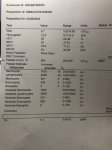
Pepper's bloodwork finally came back (this is my nondiabetic). It looks like his potassium is a little high. His NA/K ratio is low and his platelet count is high. The vet is concerned about the platelets continuing to increase every year. What I find interesting is that a couple years ago one vet said he might have pancreatitis but this paperwork says "Acute pancreatitis unlikely. Chronic pancreatitis is not excluded by a normal Precision PSL."
So maybe he doesn't have pancreatitis after all? Would IBS/IBD show up in bloodwork somehow? What do you think my next move should be?

I forgot to add - he has lost 3 lbs in 2 1/2 yrs.

@Bandit's Mom
@Wendy&Neko

3/27 Shooter AMPS 174, +8 86 | Feline Diabetes Message Board - FDMB
 
Happy Thursday everyone!

Pepper's bloodwork finally came back (this is my nondiabetic). It looks like his potassium is a little high. His NA/K ratio is low and his platelet count is high. The vet is concerned about the platelets continuing to increase every year. What I find interesting is that a couple years ago one vet said he might have pancreatitis but this paperwork says "Acute pancreatitis unlikely. Chronic pancreatitis is not excluded by a normal Precision PSL."
So maybe he doesn't have pancreatitis after all? Would IBS/IBD show up in bloodwork somehow? What do you think my next move should be?

I forgot to add - he has lost 3 lbs in 2 1/2 yrs.

@Bandit's Mom
@Wendy&Neko

3/27 Shooter AMPS 174, +8 86 | Feline Diabetes Message Board - FDMB
Hi Heather, nice blue Amos!
I’m glad you got some things ruled out in Pepper’s lab work.
I’ll be curious to see what others have to say about your questions!

Wishing you a calm and happy day for your household! :bighug::bighug::bighug:
 
Would IBS/IBD show up in bloodwork somehow?
No, next step would be an ultrasound. You could get a GI blood panel done which will show a little more detail about what is going on in the gut, but still not enough to diagnose. That panel also includes B12, and low B12 is common with IBD and SCL kitties.

Pancreatitis can be acute or chronic. It might not always show on blood work. A Primer On Pancreatitis
 
upload_2024-3-28_13-24-13.jpeg
Could you share a copy of Pepper's labs?

upload_2024-3-28_13-24-13.jpeg
 

Attachments

  • upload_2024-3-28_13-24-13.jpeg
    upload_2024-3-28_13-24-13.jpeg
    48.7 KB · Views: 88
  • upload_2024-3-28_13-24-13.jpeg
    upload_2024-3-28_13-24-13.jpeg
    48.6 KB · Views: 77
No, next step would be an ultrasound. You could get a GI blood panel done which will show a little more detail about what is going on in the gut, but still not enough to diagnose. That panel also includes B12, and low B12 is common with IBD and SCL kitties.

Pancreatitis can be acute or chronic. It might not always show on blood work. A Primer On Pancreatitis

I have been giving Pepper B12 the last few weeks since giving it to Shooter. Not sure it is making any difference for him though.
 
It looks like his potassium is a little high. His NA/K ratio is low and his platelet count is high. The vet is concerned about the platelets continuing to increase every year.
The rest of the labs look okay. What did the vet think about this? One time we did bloodwork, the platelet count was absurdly low and the vet said it was most probably an error and to ignore it (I'm not suggesting that might be the case here).
 
The rest of the labs look okay. What did the vet think about this? One time we did bloodwork, the platelet count was absurdly low and the vet said it was most probably an error and to ignore it (I'm not suggesting that might be the case here).

on 10/1/21 his platelet count was normal 434. On 6/23/23 (9 months ago) he was high at 639 and now he's 885 so although the vet didn't seem overly concerned... I kinda am.
 
Last edited:
And I just read this by Merck Veterinary... An abnormal increase in the number of platelets is rare and often the cause is not known. It may be associated with bone marrow disease or with longterm blood loss and iron deficiency.
 
Back
Top