Hello! Food and insulin questions

Status
Not open for further replies.
Also one more thing... try to alternate his ears in the beginning. I started out only using Dixie's right ear and it worked for a while but then it got so bruised. When I switched to her left ear, it wasn't used to all the poking so it became the 'difficult' ear. I wish I had been using both from the beginning so that when the bruises inevitably come, you can at least have an alternative ear.
 
Oh, I'm just kicking myself because I went to the corner store and I could have bought batteries for my flashlight. I haven't tried it yet "because it doesn't have batteries!" Really clever eh? I'll get on that.

Great idea to use a piece of paper to test if the lancing device is working properly. Thanks as always for all the fantastic tips and thoughts.

Testing Miles before breakfast seems like it could be a PITA but we'll see. Right now somewhere between 15-30 minutes before his meal he starts really bothering me about food. (And breakfast, I'll note, is at 7:30) If he's in that state I don't think he'll be very amenable to being tested, but maybe if I do it 45 minutes earlier, like... right after I get up... *groan*
 
Oh, I'm just kicking myself because I went to the corner store and I could have bought batteries for my flashlight. I haven't tried it yet "because it doesn't have batteries!" Really clever eh? I'll get on that.
If you have a smartphone with a flashlight (or a bright screen) then that will work as well! I keep a keychain flashlight with her test supplies so that I can check out her ears (she is prone to ear infections).

Testing Miles before breakfast seems like it could be a PITA but we'll see. Right now somewhere between 15-30 minutes before his meal he starts really bothering me about food. (And breakfast, I'll note, is at 7:30) If he's in that state I don't think he'll be very amenable to being tested, but maybe if I do it 45 minutes earlier, like... right after I get up... *groan*
Since the poking is probably the most intimidating part at the moment, maybe just try rubbing his ear, clicking the lancet device on his ear (but not using a lancet), and then rewarding him. He will learn soon enough that being tested is the secret to getting food :D.
 
I think the flashlight app I had stopped working. Found my actual flashlight. Turns out it only takes AAs and I have rechargeable AAs but can I find a pair of rechargeable AAs? No. I'll sort it out.

Great idea about "testing"! :)
 
Hi all,

Just to give a bit of an update. Not any good news I'm afraid.

I still haven't been able to successfully test Miles' blood. It may be something as basic and stupid as I don't have batteries for my flashlight still so I keep just missing the vein.

I saw a youtube video by a vet where he took the sample with the lancet on the inside of the ear instead of the outside. That is what I've tried lately but no luck because Miles really does not like things going in his ear. @FarmKitty what has your experience been with inside vs outside?

So because I still wasn't able to get a good reading I booked a visit to the vet last week and the time they had was today. They kept him for the day, sampled his blood and got a glucose curve from that. The results were
- They rated him borderline for insulin. I guess the positive spin would be maybe he might be able to do without?
- They want to do things by the book so (a) no treats at all, and (b) only food they have approved, for about a week and a half whereupon they want to retest. I'm ok with that.

He's gone down from 5.4 to 4.9kg. :(

I guess the good(!?!?) news is that the feeding amount of this new food they've given me is actually more than what I was feeding him - 1.75 cans instead of 1.5. Considering the DM feeding guide recommended, I swear, just 1 can, I feel more confident about this.

Anyway he's home now, gobbled up his dinner (a whole can - I'll give him 0.75 at breakfast), and doesn't seem to bear me any ill will. He might have growled or hissed at Ella though... I'm not sure what happened because I was in the other room.
 
How are the tests failing? Do you get a little bit of blood to appear but not enough to test? No blood at all? Or is it an issue with getting the blood to the test strip?

When you test, are you making sure to heat up the ear? You will definitely want to use something to heat it up when you are just starting out (such as the hot rice pack). Try to get the ear hot! Of course don't go overboard, but I know that "warm" can be a bit subjective and it can be easy to not warm it up nearly enough. If the ear is cold then you definitely aren't going to get any blood.

Also, make sure to hold the ear firmly (see step 7 of those pics I posted a while back) while you test. I curve the ear around my index finger (that is protected with some paper). Then press the lancing device firmly into the ear. Only then do you release it. Once you release the lancet device, then slowly bring it away and keep holding the ear. Sometimes you will not see any blood come out but then if you keep holding it for ~15 seconds then blood will start to form!

Also, how often have you tried testing? Don't just give 1 poke and be done with it. Try poking 5 times each test. Really give it a good go and make sure the ear stays hot, which can be difficult to do because the whole process can take longer when you are beginning all this. I often had to make a few trips to the microwave to get a good test.

Try testing several times a day (if you aren't already).

I think I tried to 'inside ear' method once, but it was too tricky so I ditched it right away. Do whatever works for you!

If the ear testing really doesn't work for you, then you could try an alternative such as testing the paw pad (more info at the bottom of this page).

That is great that you were able to get a glucose curve at the vet. Have you asked the vet for the results of the glucose curve? You could create a new post with the results and ask for advice from others that went through your situation.

I'm sorry to hear about the weight loss :( There used to be a spreadsheet for monitoring cat symptoms for people that aren't able to blood test. I think it tracked weight, hunger, water intake (or output!), and glucose levels in the urine. There might have been more. I tried to find it for you but I had no luck. Unregulated diabetic cats will often lose weight, be very hungry, and drink a ton. They won't always exhibit all of those issues (Dixie did though!). Do you have ways of tracking some of these things? It can be hard to track some of them (like urine output) with multiple cats.

Also, you might want to look into getting some glucose urine test strips. They have them for $24.99/100 at diabetesexpress and probably most pharmacies. These test for both ketones and glucose. You just hold a spoon under your cat while they pee, and then dip the stick in the urine and it will tell you how much glucose is in their urine. Ideally, your cat should have no glucose in their urine. Looking at your lab results, it looks like Miles test 3+ in the urine section. That means that Miles went over the "renal threshold" (10 mmol/L on a Human meter). The chart here shows the different blood sugar levels. It would be interesting to see what levels Miles was at during the vet visit!
 
Hi FarmKitty,

I have been heating up the ear with rice in a sock (I need a different sock - I'm losing a few grains). But as you say, "warm" is subjective and I may not be warming it up enough. but yeah, I've just been trying one poke. :( I can see how your method will make it more difficult for the cat to avoid the lancet. That's good. Thanks.

But no my tests are failing because I don't get any blood at all. If I did get blood I was planning on picking up the glucometer with test strip attached and touching the end of the strip to the blood droplet.

So a major problem here is me not sticking with it enough. I'll have to try more.

I didn't get the glucose results but I will ask for them when I call today about a followup appointment. I was talking with the vet tech outside at 6:45pm and I just forgot.

Good idea about a spreadsheet. I got new kitchen scales, which are fairly big, but it will still be a matter of getting the entire cat onto the scales :D

A small qualitative positive thing is that Miles seems happier with this food and feeding schedule. He even let me sleep in until feeding time at 7:15 yesterday, though whether that was because he was at the vet the previous day, I don't know. Today he whined for only 15 minutes before.

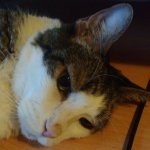
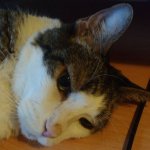
edited PS this is Miles! Long past time I introduced him. I think he may have rubbed some fur off of his nose while he was at the vet's.

mugshot.jpg
 

Attachments

  • mugshot.jpg
    mugshot.jpg
    50.1 KB · Views: 284
  • mugshot.jpg
    mugshot.jpg
    50.1 KB · Views: 713
Last edited:
Well I got the numbers and will post them but right this instant - Miles didn't finish his food this morning OR this evening. That cannot be good. I cannot honestly think of any time when he DIDN'T finish whatever I put in front of him. :arghh:

edited PS: I did have to pick up the last part of his food so that his sister wouldn't eat it. I'm going to have to get a different flavor on... ugh... Monday, because the vet's is closed tomorrow. Or give him some of the food that he likes but they didn't provide. Ahh screw it, if I have to put back his appointment I put back his appointment.
 
Last edited:
Gave Miles a quarter can of the food I had been giving him previously and he kind of gobbled that up. So I think he just does not like the Hills' Glucosupport liver flavor. :( So instead of his evening meal of a whole can of the Hills, he probably had 2/3 of a can of that a quarter can of whatever the other stuff is, I can't remember.
 
Those are some high readings, so it is interesting that your vet isn't pushing insulin. Dixie was also in that range when she was diagnosed (22.6 mmol/L on Alphatrack) and the insulin and brought her numbers down a ton into a more reasonable range.

One thing to note is that those readings from the vet are using a pet-specific glucometer (such as an Alphatrack). Most people on the forums here use a human glucometer calibrated for human blood (like your Bravo meter). So if you look at any of the posts about certain dosing protocols they will all reference the human glucometer values. The values between these two meters differ and there isn't a way to convert from one meter to the other. Just something to keep in mind when you are scrolling through all the posts and see people mentioning their BG numbers.

Also, I looked at the Hills' Glucosupport in the food chart pdf. If it is the same as the "Hills m/d" then it looks like it is a little over what we recommend for carb content (13%). You will need to double-check if the nutrition value is the same or not though. It is better to have <10% carbs. I'm not sure how much that food costs, but it is just something to consider!

How have the testing attempts been going? Any luck?
 
Ok you seem more calm about the lack of pushing insulin than me. That is a little calming because I am kind of freaking out.

I understand about the difference between human and feline calibration - I assume the vet used a feline one, and the site I linked to is also showing actual feline data, so I see how it's higher.

The cans say both GlucoSupport and m/d so I assume it is that food. But if I don't feed Miles what the vet is selling it's not going "by the book" as far as they are concerned and I don't think they're going to proscribe insulin! :(:banghead:

Honest to god I haven't tried testing again. I'll have to try tomorrow. And I'll have to email the vet with the numbers for the GlucoSupport food and what I was feeding him before and ask what's up, and try to be polite about it. They're CLOSED tomorrow though.
 
Are there any other vets in your area that you can go to? Maybe look at some reviews online? It is a very simple process to switch vets. You just show up to the new one and they will transfer any history over for you. Going to the vet should be a positive experience!

You don't have to do everything that the vet says, like buying their "recommended" food and whatnot. They are giving you an educated opinion based on their experience. Same thing with people on this forum! We are all just speaking from experience with our own diabetic cats. You basically gotta question everything and do what you are comfortable with. My vet wanted me to feed Dixie dry food for her diabetes, and I did research into it and learned that it would work against her so I ditched that "prescription food" and got my own. It is hard to say no at first, but it gets easier as you go along.

Ok you seem more calm about the lack of pushing insulin than me. That is a little calming because I am kind of freaking out.
I was just confused about why those high numbers would not immediately make Miles a candidate for insulin, since that is what happened with Dixie! Also, I am very careful to not give medical advice out on the forum because I don't want to lead you into any trouble. I am just a diabetic cat owner and am not in any way a medical professional! So that is why I always say to question what you read on the forums and do your own research. And while you are at it, question your vet as well and do your own research! Treat your vet as another knowledge source. So you could go to a different vet to get a new perspective.

You need to make testing a priority. Otherwise, you will end up shooting the insulin "blind" (so you won't know his BG levels). Then you will take him into glucose curves regularly at the vet. This forum does NOT recommend this method because diabetic cats on insulin can drop their BG values very quickly and there will be a higher chance of Miles experiencing a hypoglycemic episode. We home test so that we can see what our cats are doing and if their levels start to drop. Dixie has dropped below 2.7 mmol/L at least 4 times already! It is a good thing that I home tested because then I knew to lower her dose right away. I don't want to think what would have happened if I had waited a few weeks for a glucose curve at the vet.

Try setting an alarm on your phone to test Miles.
 
I think you should consider those ketone/glucose strips that I previously mentioned (or at least just get ketone-only urine strips... the glucose strips will always read positive when Miles' BG levels are that high). If a diabetic cat isn't getting enough insulin and isn't eating then it can develop diabetic ketoacidosis which can be very deadly! So please read up on that as well: https://www.felinediabetes.com/ketones.htm
 
Thanks FK, very much appreciate your thoughts.

I have a personal issue with not recovering from failure and trying again which has been how I have kept trying and failing and giving up on testing Miles.

I just got up and I think I'm going to give Miles the previous food for this morning. I predict he will eat it all up. And gather some information and I will try to test in a couple of hours when I am more awake. The alarm is a good idea.

edited PS no surprise to me, he ate all the Wellness Chicken Pate I put in front of him.

However reviewing the food PDF I see that the latter food has a much higher caloric content -
the m/d (if it's the same) gives 156/can and Wellness chicken pate is 218. Is too many calories any concern?

Now to track down what they originally told me to feed him before Christmas... omg did I misread what they told me? I think I was under feeding him at one point :(
 
Last edited:
Hi Chris,

From your link above:

upload_2021-1-17_13-30-25.png


Now, the following graphic illustrates what a typical feline response to a dose of Vetsulin might look like (regular 12-hour cycle, not influenced by any bouncing):

eADcxbPJ2JnNh2lSNJND0_wT4yz4A3Y71CrTNoDJfbWfCTH5m_LSx8bIqc_8XsNxdIIVibS6Rm5BUf37WIe3XPJwQjh4EPhui-nFcwaX6hNFLSfU3NpFvo8wwzZNTc1CUPzdzC--


The curve on the Merck website looks more like what one might hope for in a dog given one dose of Vetsulin every 24 hours. (A cat's graph would show two dips, one for each dose. They metabolise insulin faster than dogs do.) In all the data for Vetsulin cats I've seen since joining this forum, I've never seen a cat respond to Vetsulin in the way that their graph shows.


Mogs
.
 

Attachments

  • upload_2021-1-17_13-30-25.png
    upload_2021-1-17_13-30-25.png
    92.3 KB · Views: 682
However reviewing the food PDF I see that the latter food has a much higher caloric content -
the m/d (if it's the same) gives 156/can and Wellness chicken pate is 218. Is too many calories any concern?
The main concern when it comes to calories is weight management (although cats who do not maintain adequate daily calorie intake are at risk of developing hepatic lipidosis and, in the case of diabetics, ketosis/DKA). For the diabetes, the carb content is key.

As long as the carb % is OK for a feline diabetic then it doesn't matter which food brand/variety you feed (wet food is very much preferable). To manage the cat's weight, you keep an eye on the kcals in the food. If their weight gets too high, feed fewer calories per day till they get to their ideal weight. (NB: Weight loss needs to be very, very gradual otherwise cat risks developing hepatic lipidosis.) If they need to gain weight, feed extra calories. There's good information on feline weight management at catinfo.org. You can get reasonably priced baby scales online to do weekly weight checks. Keeping a little diary of what you feed each day helps to keep track of calories consumed.


Mogs
.
 
Last edited:
I only referred to the Merck link because it listed values for the ideal range for the glucose curve, but it is good that you point out some potentially suspect data.

They said "the maximum and minimum levels of glycemia, which ideally should be between 120–300 mg/dL (5.6–16.7mmol/L) for cats for most of the day" - do you agree with this?

It is possible that the vet tech I spoke to end of day Wednesday assumed I was not feeding Miles a low-carb food. :confused: :sigh:
 
Ok small progress. I finally put a flashlight app on my phone (one with no ads! yes!) and wow it's like creating a road map for your cat's ear. And I did manage to get a small blood drop from Miles' ear on maybe the 3rd attempt but I misread the Bravo device and thought it was indicating an error instead of indicating that it was ready for a sample. Going to have some coffee and try again in a bit.
 
I only referred to the Merck link because it listed values for the ideal range for the glucose curve,
It was a perfectly valid and sensible site to link to, Chris. :) I was only trying to point out that the Merck graph was just a tad misleading (and very naughty of them to include!).

They said "the maximum and minimum levels of glycemia, which ideally should be between 120–300 mg/dL (5.6–16.7mmol/L) for cats for most of the day" - do you agree with this?
They'd be quoting numbers as measured on equipment calibrated for cat blood. I think the upper bound of 300 is too high. The online Merck Veterinary Manual puts the renal threshold as measured on pet-calibrated between c. 250-290 (varies from cat to cat). For a well-regulated cat, the idea is to keep it under the renal threshold the vast majority of the time. On a human meter, at a rough estimate that would be low 200s. (I've read one report here of a cat whose threshold was under 200, so we know that's possible).

Per the normal feline BG reference range given to me by my vet for use with my Alphatrak (70-150), their target nadir of 120 as read on a pet meter is sound, IMO. It's in the normal range and there's a good safety buffer between the target and the lower bound of the normal reference range. For human meter users, the FDMB Vetsulin guide advises reducing dose if nadir BG drops below 90. Bearing in mind that human meters typically read lower than pet meters, the Merck target and the FDMB threshold are pretty much in the same ballpark.

Having said all of the above, because of the typical mode of action of Vetsulin and depending on the individual cat's response, Merck's target range might be all that's safely achievable for many cats on this particular insulin, but should that prove to be the case there are other insulins to try. Many cats on Lantus and Levemir have a smoother response and flatter curves so tighter regulation is generally a better prospect for cats receiving them.

Then you have the exceptions that prove the rule. One of the kitties currently on the board is doing very well on Vetsulin following a change to a low carb diet. For curiosity's sake, have a look at his spreadsheet:

https://docs.google.com/spreadsheet...yC4LwQveNxBftGX5VrAT-8VUQSE--JxS8ojhF/pubhtml

Every cat is different! :)


And I did manage to get a small blood drop from Miles' ear on maybe the 3rd attempt but I misread the Bravo device and thought it was indicating an error instead of indicating that it was ready for a sample. Going to have some coffee and try again in a bit.
Yay! You got a blood sample. :D

Small victories, Chris! They all count, and you will get there. :) Try warming the ear a bit more next time.


Mogs
.
 
Last edited:
Thanks for the clarifications Mogs!

I just managed to get blood from Miles' ear three times, so I guess I am getting the technique down, but the only results for my troubles were two "insufficient quantity" readings from the meter and two stripes used. I guess the solution there is more heat to increase blood flow.

Gonna have to see if I can actually have a phone conversation with the vet tomorrow. I am guessing from the lengthy turnaround times to get appointments that they are slammed or they can't work as quickly as normal during COVID, so I don't know if that'll be possible or not.
 
I just managed to get blood from Miles' ear three times, so I guess I am getting the technique down, but the only results for my troubles were two "insufficient quantity" readings from the meter and two stripes used. I guess the solution there is more heat to increase blood flow.
Yay! That is a good start! Using the heat for longer will help. Also, make sure you keep the ear wrapped around your finger after the poke. When I tested Dixie today, no blood came out for the first 15 seconds and then it slowly started to bead up and there was enough blood another 15 seconds after that. Keeping the ear taught around your finger seems to encourage the blood to come out. You will want enough blood to cover up the little white square on the test strips.

Gonna have to see if I can actually have a phone conversation with the vet tomorrow. I am guessing from the lengthy turnaround times to get appointments that they are slammed or they can't work as quickly as normal during COVID, so I don't know if that'll be possible or not.
What questions are you planning to ask the vet? It might be a good idea to formulate a plan if the vet is super busy (and it will save you $$$!).

The cans say both GlucoSupport and m/d so I assume it is that food. But if I don't feed Miles what the vet is selling it's not going "by the book" as far as they are concerned and I don't think they're going to proscribe insulin! :(
BTW, in Canada there is no prescription for insulin (you can buy it in pharmacies or online). The vet will probably recommend an insulin that they are familiar with and they will try to sell it to you. I buy ProZinc insulin from my vet, but I could get it online if I wanted to.
 
Yeah, to be honest, I should ask if I can send an email because that will let me organize my thoughts and present the nutritional information about the Wellness food I've been giving Miles.
 
Thank you for the info about the little white square as I was touching the end of the strip to the blood rather than that side of the end, if that makes any sense. Some of it may have gotten on the bottom of the strip and the end.

Inserting a PS here - I'm only now really taking in what you said about insulin not needing a prescription. So I don't actually need to convince my vet that Miles needs insulin. Okay... I just need to get on with testing then.

I guess I was thinking to write/say something like: The person I spoke with last week said told me a couple of things, and I didn't represent myself all that well, and I want to improve communication between us and ask some questions.

First, I want to explain about the food I'd been giving to Miles. On Saturday he stopped finishing his meals of the GlucoSupport m/d liver flavoured food I was sold last week, so I have had to stop giving it to him.

I had been (and am again currently) feeding him the Wellness Chicken Pate for which online resources give the following figures:
Protein 32%, Fat 60%, Carbs 8%
https://catinfo.org/docs/CatFoodProteinFatCarbPhosphorusChart.pdf

Would you agree that if I feed him this food and no treats, that he would be on an appropriate diet for his condition? If not, maybe we could try more of the food you sold me previously, or a different flavour of the GlucoSupport.

Second, I would like to get your own opinion about whether Miles' readings from last week really were (only) borderline. I admit that yes, I gave him a few treats to get him into his carrier (listed as min 70% protein and 3% fat). But would those really be enough to increase his numbers by that much?

(Thanks, etc etc)
 
Last edited:
Thank you for the info about the little white square as I was touching the end of the strip to the blood rather than that side of the end, if that makes any sense. Some of it may have gotten on the bottom of the strip and the end.
Yeah the white side of the strip is just plastic. So hold it so that the black part faces up toward you and then that little white square will sip up the blood. If you get enough, the blood will go all the way up to the second white square. Sometimes it will only fill the square in half-way but still give a reading. I have been double-testing when this happens, and every time the meter has given the same result the second time (so it seems pretty consistent!). Let me know if you need pics of this part.

Inserting a PS here - I'm only now really taking in what you said about insulin not needing a prescription. So I don't actually need to convince my vet that Miles needs insulin. Okay... I just need to get on with testing then.
Yup! Testing is the most important thing right now. You need to feel confident testing at minimum twice a day (breakfast and dinner) and then start Miles on an insulin. You don't need to 'convince' the vet of anything. You can just make a vet appointment in a couple weeks and get them to show you how to administer insulin. During that appointment you can show that you are feeding low-carb wet food and that you are testing his blood regularly (and you can have the data to back you up!).

First, I want to explain about the food I'd been giving to Miles. On Saturday he stopped finishing his meals of the GlucoSupport m/d liver flavoured food I was sold last week, so I have had to stop giving it to him.

I had been (and am again currently) feeding him the Wellness Chicken Pate for which online resources give the following figures:
Protein 32%, Fat 60%, Carbs 8%
https://catinfo.org/docs/CatFoodProteinFatCarbPhosphorusChart.pdf

Would you agree that if I feed him this food and no treats, that he would be on an appropriate diet for his condition? If not, maybe we could try more of the food you sold me previously, or a different flavour of the GlucoSupport.
I don't know how close you are with your vet, but I don't think you need to send this in. I doubt the vet will want to do any research into the nutrition of a specific food (or looking at the pdf). From my experience, they just know the brands that their vet office sells (like Hill's or Purina DM). So if you send this in then don't expect any extra insight. Unless your cat has some other underlying condition (like kidney disease) then I think it will be fine for you to stick with the Wellness stuff that is 8% carbs (although that fat % is a bit high - there is more info at the start of that Cat Food pdf about that. They recommend 20-40% fat). Whatever you choose, make sure Miles is eating it!

Second, I would like to get your own opinion about whether Miles' readings from last week really were (only) borderline. I admit that yes, I gave him a few treats to get him into his carrier (listed as min 70% protein and 3% fat). But would those really be enough to increase his numbers by that much?
Are those the freeze-dried minnow treats? They wouldn't raise his levels like that and definitely wouldn't sustain them like that. Looking at the data, Miles' blood glucose was 25 mmol/L one month ago, and he was over the renal threshold because the urine test showed glucose. The curve you just had done put him at 19.1 - 23.4 mmol/L.

My experience: Dixie's results were similar to yours in the beginning (22.6 mmol/L), and after 6 months of insulin she has been 3.5 - 8.6 mmol/L (with HUMAN meter - so a bit lower numbers) in the last week. I have aimed to keep her under the renal threshold (~10mmol/L), and now I aim to keep her even lower. I hope this gives you some general idea of what insulin can do and how effective it is! When Dixie has gone below 2.7 mmol/L (too low), I feed her half a can of medium carb food (14% carbs) and her numbers jumped from 2.3mmol to 7.7mmol at the most, and other times even less of a jump. So no, feeding a few treats to get Miles into his travel carrier isn't going to shoot him from normal levels into the 20's!

Are you emailing this question to the same vet? The one who was saying that Miles was borderline for insulin before? Honestly I think the best thing you can do now is to test several times a day, get a spreadsheet of you results going, give him the low-carb Wellness food that he eats, and buy some ketone test strips. Then set a deadline (a couple weeks at most) to go to the vet and bring your data in with you so that you have something to actually discuss with the vet (and it'll boost your confidence!). Then you can safely start Miles on insulin (and maybe you can even research the different insulins beforehand so that you can be even more informed!).

One thing to keep in mind is that it is common for diabetic cat owners to give up and basically not treat or abandon treatment of their diabetic cat (which is very cruel). Vets want to avoid this so they won't jump into saying "oh you need to test 4 times a day and feed these meals and read this stuff" because it can be very intimidating. My first vet was so happy that I had done any research at all and that I actually wanted to do treatment. They said that this diagnoses can often scare away patients. My current vet is genuinely excited with all the work I have done (tracking the BG levels and spreading out food into mini-meals), and this is all stuff that I learned on this forum and contradicted the earlier vet's advice (old schoold advice of feed 2 dry meals a day and only do glucose curves). I have very nice vets available to me, which I feel like is rare after reading the issue that people on this forum have with their vets.

So yeah, don't try to convince your vets that a certain food is better or that BG testing is the better way (it won't work haha). Instead, spend your energy on taking care of Miles and use vets when necessary!
 
Another thing I’d like to mention… The only time I have really talked about diabetes with my vet is at Dixie’s diagnoses. They gave me a sheet with info about it (which linked to this forum funnily enough!) and the vet tech let me practice giving insulin (just saline solution) to Dixie so that I was prepared. They then send me home with ProZinc and told me to give 1 unit.

Everything else I have done after that has all been due to this forum, which has different dosing protocols for each type of insulin and it tells you exactly what to do. The vet won’t tell you any of this stuff. I have made insulin dose changes all on my own and I don’t need to ask the vet about any of it. At one point, I tried to explain the dosing protocol I was using to the vet and they were like “yeah yeah you know what you are doing, it is all good”. So don’t expect the vets to know the way that we do things around here…

I know that it can be scary/weird doing stuff that the vet doesn’t explicitly say to do. Dixie is the first pet I have had responsibility over and I have only had her for 7 months. At first I was anxious about doing something without checking in with the vet. But then I just thought about all the people that make daily decisions for their pets without their vets knowledge (like giving random supplements, or feeding super high carb dry food or whatever) and life just goes on… so that has chilled me out a lot.

I hope this gives you some perspective on how things will go (if you follow this forum that is!).
 
OMG, thank you always for your posts FK.

I guess you may be right about there being no need or honestly no point in sending the email. Like all I am really hearing from them is "do it by the book, by the book". The actual vet who I talked to back in December wanted me to get the cat-rated glucometer. I kind of expect that if I go to them in two weeks with a chart of Miles' data they will say "well that data is invalid because it wasn't taken with the cat-rated meter". :(

Is your first test of Dixie before or after feeding? Also, injection of insulin? (Sorry I should just look this up instead of prevailing upon you.) I'm afraid that right now my morning usually involves Miles starting to whine and whine about food about (or at least) 15 minutes prior to feeding, when I am probably still in bed. At least that's the case with the Wellness food which evidently he maybe still thinks of as a treat, but in any case it would be hard for me to get him to sit still long enough to even do a test when he's in that state.

As far as talking to the vet in person or getting them to show me how to inject insulin... I feel like there's almost no chance of that, because of COVID. They are operating under a "deliver your cat at the door and we'll take it from there" procedure. If it was possible to actually see the vet I would have turned around and asked for a hands-on lesson about how to test Miles for BC right away when I was having failures.

I managed to get a successful reading just now (about an hour after feeding). Gotta throw myself together for work now.

edited PS: I share your concern about the fat level in the chicken Wellness. I think the profile of the fish looked better.
 
Last edited:
I guess you may be right about there being no need or honestly no point in sending the email. Like all I am really hearing from them is "do it by the book, by the book". The actual vet who I talked to back in December wanted me to get the cat-rated glucometer. I kind of expect that if I go to them in two weeks with a chart of Miles' data they will say "well that data is invalid because it wasn't taken with the cat-rated meter".
Yup, they will likely say that. Even my very forward-thinking vet still talks about the pet meter. They even offered to let me borrow one for glucose curves. When you bring in data for them, just summarize it (highest values are x, lowest values are x, he stays in x range), and when you get Miles on insulin you can just bring in a glucose curve chart. Don't try showing off the spreadsheets we use here... it doesn't work in my experience :rolleyes:.

I just tell the vet that the AlphaTrak strips are $214 CAD /100 strips (on amazon) vs $40 CAD /100 Bravo strips. And I don't even know if you can still order the AlphaTrak meter in Canada! All you need to say is that you plan to test Miles several times a day to monitor him and that this is within your budget.

The felinediabetes.com site also mainly uses the human glucometers, and there are countless cats getting regulated and going into remission (here is a thread that is all the cats who went into remission using ProZinc - you should read some stories!)

Pet meters are more accurate, but the fact that you can home-test Miles when he is calm and at home will be even better. Going to the vet can stress out cats and their BG levels will raise (which may lead the vet to suggest a higher insulin dose than necessary!). So getting the home tests is preferable to taking him into the vet for a glucose curve.

Is your first test of Dixie before or after feeding? Also, injection of insulin? (Sorry I should just look this up instead of prevailing upon you.) I'm afraid that right now my morning usually involves Miles starting to whine and whine about food about (or at least) 15 minutes prior to feeding, when I am probably still in bed. At least that's the case with the Wellness food which evidently he maybe still thinks of as a treat, but in any case it would be hard for me to get him to sit still long enough to even do a test when he's in that state.
The standard method with ProZinc/Lantus is to do a BG test and see what you cat is at. If he is super low then you will need to refer to the dosing protocol for your insulin to see what to do next. Then, if your cat is in a safe range, you feed him. After he had eaten his meal, you give him the insulin.

With an insulin like Lantus, I think this should all get done on-time (like within 15 minutes or so), although I could be wrong about that since I don't use it. With ProZinc, you get more leeway (so maybe an hour variance). I started with ProZinc and I was happy with that because I found the whole test/feed/shoot thing to be tricky in the beginning, and it was nice to know I had some leeway with the ProZinc timing.

Getting Dixie to eat her whole meal before shooting was easy when she was unregulated. Diabetic cats don't process all their nutrients in the food they eat, and they basically feel hungry all the time (even though they lose weight :(). She would bug me for food allll the time. But as time has gone on, I can now give Dixie the ProZinc while she is eating since she won't finish her whole meal but I know from experience that she will go back to her food later. So the whole process doesn't take very long anymore!

You will want to get that morning/night BG test without any food in him for 2 hours prior. The reason for this is that his BG levels will rise when he eats. Consider if you had fed him a meal before, he might have been low but then jumped to a higher BG level which you consider safe to shoot insulin. But that level is temporary and will start to come down AND the insulin will bring his levels down even further. So basically you need those BG tests at insulin shot time to not be food influenced at all. I hope this process isn't too difficult for you! If you do it every day then I bet Miles will adjust. When Dixie wants her meals then she basically begs to get tested hahaha.

As far as talking to the vet in person or getting them to show me how to inject insulin... I feel like there's almost no chance of that, because of COVID. They are operating under a "deliver your cat at the door and we'll take it from there" procedure. If it was possible to actually see the vet I would have turned around and asked for a hands-on lesson about how to test Miles for BC right away when I was having failures.
Ahh right, and you are in Ontario so that is definitely out of the picture! Well, the insulin shot demonstration was very short and simple. You basically just pull up the skin with your left hand and then insert the needle horizontal to their body with your right hand (is gets shot just right under the skin). There are lots of youtube videos on this and the forum can help you too, so don't worry about getting an in-person demonstration. I was nervous with needles and I did the shot with Dixie on the first try.

You probably don't need another vet appointment then. Just keep testing Miles the next week and gather some data. Then research which insulin you want to use (Lantus or ProZinc) which you can find on this board, and buy those ketone test strips. Once you feel ok with testing, you should work to get Miles on an insulin (do this sooner than later). At this point, you can send your vet an email outlining what your plan is and maybe ask them if they have any concerns about it. Remember, it is not about convincing them what is the "right" way to do it, it is more about gathering extra info. If the vet is super concerned with your methods then you can listen to them. I don't think you will gain anything out of taking Miles back there right now since you can't get a demonstration.

I managed to get a successful reading just now (about an hour after feeding). Gotta throw myself together for work now.
YES! That is excellent! :cat::cat::cat: When you have some time, get a spreadsheet set up so that you can track his BG levels and share them with the forum. Using that link, you will want to use the "World Spreadsheet Template" that that is at the very bottom (since we are in Canada and use mmol/L). The spreadsheet numbers at the top are how many hours after giving insulin. Since Miles isn't on insulin yet, you could just decide on the time that you would want to eventually give him insulin e.g. 9am/9pm and then enter in values like that. It can always be changed later. You can check out my spreadsheet in my post signature to see an example of how it will look (since I also use the World version).

edited PS: I share your concern about the fat level in the chicken Wellness. I think the profile of the fish looked better.
Yeah it is just something to look at. But isn't a big deal right now and should take a backseat to getting a start on regulating his BG levels!
 
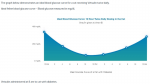
We can't be 100% certain (since there was only 1 BG test during his first lab test), but Miles was originally at 25 mmol/L one month ago, and now during that glucose curve he was a bit lower (19.1 - 23.4 mmol/L). So maybe your switch to low-carb food has made a difference :cat:. It will be great to see what his values are when he is at home.

Here is an excerpt from the Lantus and ProZinc intro threads which you might find helpful. All the numbers are using human meters:

'What is Regulation?':

There are different definitions of regulation. As hometesting becomes more common, we've been getting a better understanding of what cats and their humans might be capable of. Janet & Fitzgerald propose the following "regulation continuum":

  • Not treated - blood glucose typically above 300 mg/dl (16.7 mmol/L), poor clinical signs
  • Treated, but not regulated - often above 300 (16.7) and rarely near 100 (5.6), poor clinical signs
  • Regulated - generally below 300 (16.7) with glucose nadir near 100 (5.6), good clinical signs, no hypoglycemia
  • Well regulated - generally below 200-250 (11.1-13.9) and often near 100 (5.6), no hypoglycemia
  • Tightly regulated - generally below 150 (8.3) and usually in the 60-120 (3.3-6.7) range, no hypoglycemia, still receiving insulin
  • Normalized - 60-120 (3.3-6.7) except perhaps directly after meals -- usually not receiving insulin
There may also be an extra category of "mostly above 300 (16.7) but with good clinical signs" which occurs with some cats who are getting insulin. We don't know why it happens, but such a cat probably should not be considered to be regulated. On the other end of the spectrum, it is possible for a cat who is not getting insulin to have blood glucose as low as 40 mg/dl (2.2 mmol/L) on a glucometer calibrated for humans. If you have a non-diabetic cat, try testing her with the same meter to get a safe comparison figure.
 
Right, well, I've cloned the spreadsheet but since my only data is from after meals I haven't started to record there.

I tried to get a sample from Miles this evening and failed to get a good one, wasting several strips in the process. On the positive side Miles was a VERY GOOD BOY. I know we mostly say that about dogs but he is so sweet and gentle. He didn't complain at all about the testing even if he didn't like me sticking a wrapped finger in his ear, and he tolerated being picked up and brought back to the couch when he left. So that was confidence building at least.

I've also started pushing back the cats' mealtime. Honestly I'm not sure if I can go "cold turkey" from 7:15 to like 9:00 or anything, but I fed them at 7:30 tonight and I'll go for 8:00 tomorrow night. Hopefully that will be late enough that Miles won't be off his rocker about food and will let me test him. But do I need to test him IMMEDIATELY before his meal, regardless of when I feed him? I'll to try to test him before his breakfast tomorrow morning regardless.

Also, is there a page that EXPLAINS the spreadsheets because omg I have no idea what is going on in yours, although I recognize your feeding schedule.
 
Right, well, I've cloned the spreadsheet but since my only data is from after meals I haven't started to record there.
It is fine to record food-influenced values in the spreadsheet. You only need to worry about food influencing your tests when you start insulin and are testing at insulin shot time. So go ahead and add your data into the spreadsheet! You can see the data history on the Bravo meter if you press the up-arrow when it is off. Then you can navigate the values with the up and down arrows.

I tried to get a sample from Miles this evening and failed to get a good one, wasting several strips in the process. On the positive side Miles was a VERY GOOD BOY. I know we mostly say that about dogs but he is so sweet and gentle. He didn't complain at all about the testing even if he didn't like me sticking a wrapped finger in his ear, and he tolerated being picked up and brought back to the couch when he left. So that was confidence building at least.
Failed samples are fine! Just keep at it. I'm glad that Miles is adjusting so nicely :)

I've also started pushing back the cats' mealtime. Honestly I'm not sure if I can go "cold turkey" from 7:15 to like 9:00 or anything, but I fed them at 7:30 tonight and I'll go for 8:00 tomorrow night. Hopefully that will be late enough that Miles won't be off his rocker about food and will let me test him. But do I need to test him IMMEDIATELY before his meal, regardless of when I feed him? I'll to try to test him before his breakfast tomorrow morning regardless.
You can test him 30 minutes before he gets fed. As long as he hasn't eaten 2 hours prior to that test. When you get used to testing him then you will probably find that you can test a minute or so before feeding him! But in the beginning, it is good to give yourself extra time to make sure that you can get a test and not go too far off the insulin schedule.

Also, is there a page that EXPLAINS the spreadsheets because omg I have no idea what is going on in yours, although I recognize your feeding schedule.
The Spreadsheets, Tech Support & Testing Area forum has a stickied post How to use the Spreadsheet that should help you out!
 
Awesome, thank you very much! :) Got some reading to do, clearly.

I tried testing Miles this morning around 7 but that was the time he started "pester mode" for food (I fed them at 7:30) and I couldn't get him to sit on the couch with me for any length of time. Testing him 30 mins before feeding time may be a challenge. I need to make sure I'm fed so I have the energy to really give it a go!!
 
Better late than never with a good idea, right?

I was able to test Miles just now at 9:30. He does generally love attention so he purrs when I put the heat pack on his ear (and thankfully he has stopped trying to bite it). After getting a successful reading I zipped into the kitchen, cut off a fingernail-sized lump of wet food, and gave that to him to eat, to at least start the association between testing and food :)
 
Thanks Mogs :)

I just ordered some more food and litter for delivery and I'm going to have to do research again about food that's available. I think I misquoted the numbers for the food I was feeding Miles - it's:

Wellness' Complete Health pate, Chicken: 30% protein, 66% fat, 4% carbs

Purina DM is 43%, 52%, 6%

Friskies pates also have high % fats.

For the next food I picked the Wellness Turkey and Salmon which is at least sliiightly better: 37%, 58%, 5%...
 
Well, I think that changing Miles' food made him possibly even more excited about food than the chicken, maybe because it was just different. I'm feeding the cats at 7:45 now but in the morning Miles comes up onto the bed a bit after 6 (not that surprising) but maybe starts whining about food at 6:20 or 6:30. I feel very short on sleep and am still unable to get a blood sample from Miles before breakfast. So just to review, it's been about a month since I changed him to wet food and he is still going crazy for it. When it's actually feeding time he will do a lot of twirling around in the kitchen, he will kind of paw at the food bowls when I pick them up, and similar/worse when I am putting them down with the food in them.

Outside of the mornings and a couple of hours before dinner (in the evening he might start pleading for food around 5 or 5:30) he is possibly even more sweet than ever but... I don't know whether this behavior is actually ever going to change and I am doubting my ability to mentally cope or to figure out a way to properly take care of him.

To be more specific if I get him up on the sofa to try to heat his ear prior to getting a sample, he doesn't want to stay there, and will try to get off.

Of course I could try to just cope. Maybe go to bed bang on at 10 o'clock instead of what I've been doing lately and dragging things out until 11. Just keep feeding him - maybe increase the amount a little to 2 cans/day and stick with that for some months to see if he calms down. I just don't know. :(

It seems like a vicious cycle. If part of the reason for his activity is his diabetes, it is by the same token stopping me from being able to sample his blood which would let me possibly administer insulin. Maybe if I was able to give him insulin he wouldn't be feeling so very hungry and would be calmer. smh.

Thanks for 'listening'.
 
Last edited:
Hi Red & Rover, thanks for the welcome!

The vet said the overgrooming was actually - I think running his nose because of the congestion or drip. I think those two things are connected and unrelated to the diabetes.

I don't have much more time to answer right now but all I know about the blood work is a general "geriatric blood profile". I will have to ask for a copy of the blood work. They may be overly busy - I had to wait a week for his appointment in the first place. Fortunately it is a very short distance from me.

Any idea what percent more food I should give Miles? What you say explains his weight loss.

PS no, I can't think of anyone I could borrow a device from

I have a kitty that is smaller nature and he just has sinus issues because of it he sneezed and snores, but there is nothing wrong with him. Our vet suggested as weird as it sounds to set up a few dehumidifiers up especially one where Mile's sleeps. Also another thing that helps is when you take a hot shower bring him in there with you and let the steam work its magic. I started doing this and no sneezing and less snoring. Hope that helps. As for the diabetes stay positive and patient it gets easier and there is plentiful useful information out there.
 
To be more specific if I get him up on the sofa to try to heat his ear prior to getting a sample, he doesn't want to stay there, and will try to get off.
You may need to restrain him for the time being. I used to get behind Dixie and straddle her with my legs. This would work for both blood testing and insulin shot time. I also found it helpful to try and gently cover her head with my palm that holds the lancing device. Now she is used to the routine and I don't need to do this stuff anymore.

I have heard that others wrap their cats up in a blanket, so you could try that as well.

Since Miles sometimes sits patiently, I think there is a good chance that you won't need to do this for long. You just need get the routine started and then eventually he will associate the test with the food. It is great that you are testing on the couch every time!

It seems like a vicious cycle. If part of the reason for his activity is his diabetes, it is by the same token stopping me from being able to sample his blood which would let me possibly administer insulin. Maybe if I was able to give him insulin he wouldn't be feeling so very hungry and would be calmer. smh.
You are probably correct in that his excessive hunger behavior is due to the diabetes. Increased appetite is one of the big symptoms in diabetic cats. Dixie was also this way, but after starting on the insulin it calmed her down A LOT!

Another thing that helps is using an automatic feeder. I am not sure how this will work for you with your other cats, but it is something to look into. Dixie gets 6 of her meals from the feeder and only the 2 main ones at shot time from me (since I need to test her BG before feeding). This means that she no longer associates me with food as much. She used to go wild when I would open the can of food, and now she doesn't care as much. However, she will camp out at her automatic feeder!

So please don't expect him to get bored of his food and settle down by himself. If you leave him untreated then he can develop more severe symptoms.

Could you start filling in the BG test data that you have into your spreadsheet? You would use the "World mmol/L" tab. Don't worry about any test being food influenced. Just enter in all the data. It is ok if you leave a lot of days blank.
 
No, it's not great that I've been testing him on the couch; it's a futon thing and it's deep enough for me to straddle him there. I've put what pitiful data I have in the spreadsheet but since I haven't given him any shots I don't know how to record it proerply.

Maybe I'll be able to straddle him but since I wasn't even able to get a BG level from him when he was being reasonably cooperative just now I doubt it is going to matter.
 
No, it's not great that I've been testing him on the couch; it's a futon thing and it's deep enough for me to straddle him there.
I just mean that it is good to keep testing in the same location each time. I use a cardboard scratcher thing that Dixie lays on and now that has become the "test" spot. I prefer doing the testing and shots on the floor, but that is because Dixie is older and doesn't jump much anymore.

I've put what pitiful data I have in the spreadsheet but since I haven't given him any shots I don't know how to record it proerply.
For the spreadsheet, just make up a time that you would give him a shot. You can always change this later when you start on insulin. For example, I give insulin at 10am and 10pm.
So for me,
AMPS = 10am
+1 = 11am
+2 = 12pm
+3 = 1pm
....
and
PMPS = 10pm
+1 = 11pm
+2 = 12am
....

AMPS and PMPS will line up with the insulin times, and this will be at the same time that you give the bigger meals of the day.

I actually write the times directly into my column headers so that I don't need to do the math in my head.

Can you move your test results to those columns? Then it will colour code them for you. Looks like you figured out the "U" column already :)

Maybe I'll be able to straddle him but since I wasn't even able to get a BG level from him when he was being reasonably cooperative just now I doubt it is going to matter.
You were able to get 3 successful BG tests from him! That is good! So please don't feel down about that. That is a big accomplishment.

If you don't get a good reading from him, then just reward him with a treat and try again a couple hours later, okay? It will all be good :)
 
Actually, the Bravo strips require 0.5 microlitres (according to the test strip box). But yeah, if you are finding that you frequently get blood from the ear but not enough for the bravo strips then you can look into alternative meters.
 
Hi all,

I was really at low ebb yesterday. I don't know why I tried to push myself to get results when I was really tired - I know that makes dealing with my anxiety worse. But I am not, by the same token, fundamentally secure in feeling that Miles' diabetes is actually something I can manage.

I've moved the results, and I've added three successful tests from today. Are things formatted correctly? I figure I should if nothing else take a bunch of samples a day to really try to get Miles to associate being tested with a treat.
 
Wow, looking good! Great that you got so many tests today as well.

But I am not, by the same token, fundamentally secure in feeling that Miles' diabetes is actually something I can manage
You might as well give it a good try though, right? This ear testing business is the hardest part. I'd say the second hardest part will be that you will need to occasionally stay awake with Miles if his BG levels drop too low, but you won't be dealing with that for a while and you can find a dosing protocol that works with your schedule. So please remember that things will get easier from here!

Are things formatted correctly?
You can remove the @ +... number after each test. It is totally fine for it not to be exactly on the hour. What I do is just round to the nearest hour. So 2:20pm would be 2pm and 2:30pm would be 3pm, etc.

If you do that and only keep the number in each section, then the spreadsheet will automatically take the numbers from the World mmol/L spreadsheet and convert them to the US measurements (which is the tab that most people here will look at).

Sometimes it is useful to add the "@ +..." like if Miles' BG levels were dropping very low and you had to do a lot of tests. Or, maybe you are trying to find his nadir (lowest BG level on insulin) so you will test a couple times an hour. Then you can manually colour-format these values and add them to the US tab. But for now I recommend you just keep the number in each cell.

I figure I should if nothing else take a bunch of samples a day to really try to get Miles to associate being tested with a treat.
Yes! I agree 100% :D This will also help new capillaries form in his ear and it will bleed a lot easier for you.
 
Well, I can certainly round things off like you say. Thanks for explaining why.

I am absolutely sure that the hardest thing is going to be testing Miles when he is hungry. It's one thing when he mildly wants to get away (normal times) vs when he really wants to get away (the time when I most need to know his BG level).
 
Status
Not open for further replies.
Back
Top