

ReliOn test strips are one of the most commonly used options for home blood glucose testing in diabetic cats. They are inexpensive, widely available through Walmart, and tied to meters that many caregivers already own. They are also a frequent source of confusion, frustration, and recurring forum questions. This article breaks down what ReliOn test strips are, how accurate they are in real-world use, what they cost, and what caregivers on the Feline Diabetes Message Board (FDMB) consistently report when using them for feline diabetes management.
What ReliOn Test Strips Are (and Are Not)
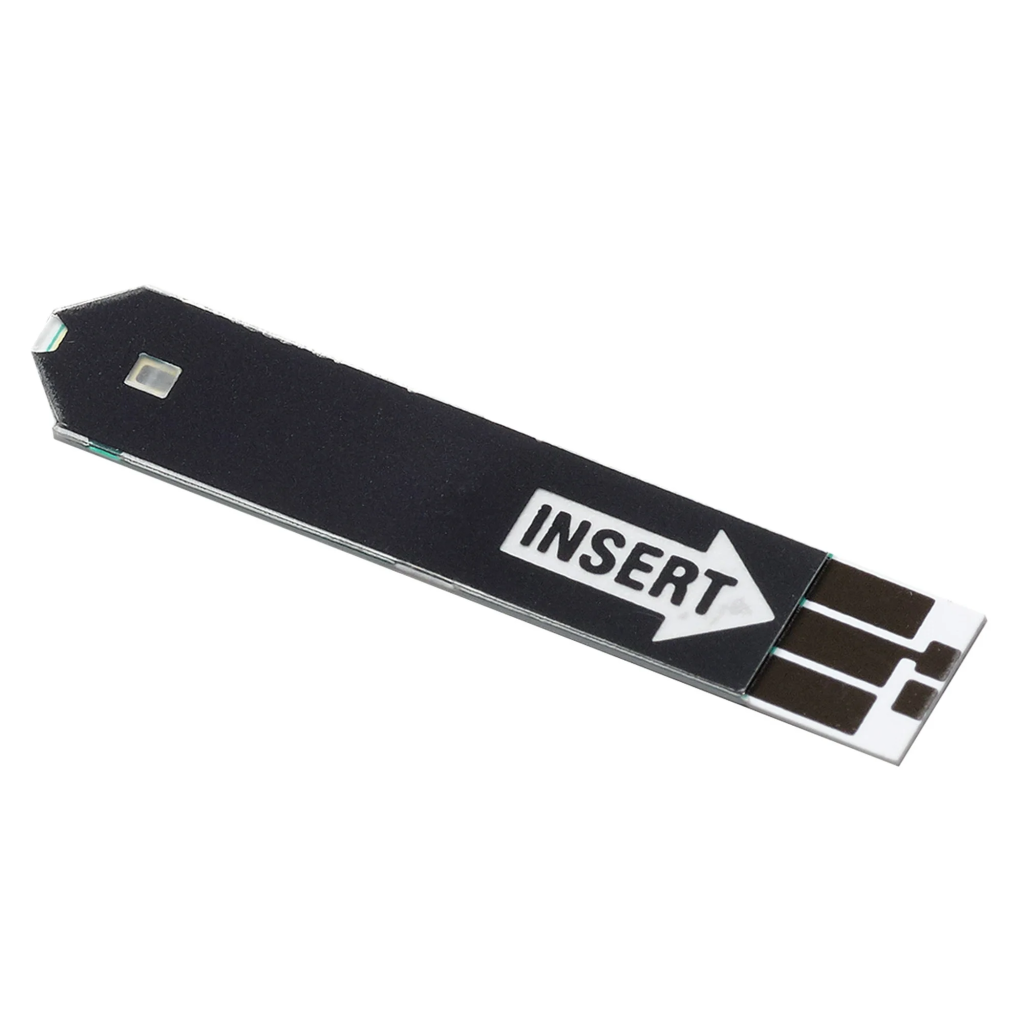
ReliOn test strips are designed for human blood glucose meters sold under the ReliOn brand, a Walmart-exclusive brand. They are not veterinary strips and are not calibrated specifically for cats. Instead, they are used off-label by caregivers who test at home and track trends rather than relying on single absolute numbers.
Each ReliOn strip is meter-specific. A ReliOn Premier strip only works in a Premier or Premier Classic meter. Confirm and Micro strips are not interchangeable with Premier strips. Attempting to substitute strips across models will not work and often results in errors or false readings.
Accuracy in Practical Use
ReliOn meters and strips fall within standard FDA accuracy ranges for human glucometers. That means individual readings can vary, even when testing the same blood sample twice. This is normal and applies to all handheld meters, including more expensive options. On the FDMB, caregivers use the rule of thumb of +/- 20% for meter variance.
Caregivers using ReliOn strips consistently report that the numbers are reliable for trend tracking, identifying lows, watching curves, and making day-to-day dosing decisions. The absolute lab-accurate value matters less than consistency. Switching between different meters or strip types mid-cycle often creates confusion and should be avoided.
ReliOn strips are especially trusted for detecting hypoglycemia. When paired with conservative dosing and regular testing, they provide enough precision to keep our cats safe at home.
Cost and Why ReliOn Is So Widely Used
Cost is the primary reason ReliOn strips dominate caregiver discussions.
Veterinary-calibrated strips (such as the AlphaTRAK) often cost over a dollar per strip. ReliOn Premier strips typically cost a fraction of that, making frequent testing financially possible. For caregivers testing before every shot and running curves, that monetary difference is substantial over time.
Lower strip cost directly translates into better safety. Caregivers test more often when they are not worried about burning through expensive supplies.
Availability and Discontinued Models
Older ReliOn systems, particularly Confirm and Micro, were discontinued and caused significant disruption for caregivers who relied on them. Many were forced to switch meters abruptly or search for remaining stock online.
Current ReliOn Premier and Premier Classic systems are widely available, but supply issues can still occur regionally. Caregivers who depend on a specific strip are advised to keep a buffer supply rather than buying one vial at a time. It’s also a good idea to keep a backup meter. Even though the ReliOn products are generally available locally, having that backup at 3AM when your cat is dropping low can be critical. Even though ReliOn is a Walmart exclusive, there are resellers that sell them on Amazon. Often at a higher price, but good to keep in your back pocket.
Discontinuation does not mean the newer strips are worse, but switching meters can introduce a learning curve and temporary inconsistency in readings.
Common Problems Caregivers Report
The most frequent complaint with ReliOn strips is failure to draw enough blood. This is usually a technique issue rather than a defective strip. ReliOn strips require the blood to be applied at a specific edge and angle. Touching the top of the strip or pulling away too quickly leads to wasted strips. The usual error code for insufficient blood is ER-4.
Another issue is premature beeping. Some meters signal early, even though the strip has not fully filled. Holding the strip in place for an extra second often resolves this. Pre-staging the strip in the meter but not fully inserted is a trick to allow for more time to collect the blood sample. Once the sample is ready on the ear or paw pad, bump the strip in all the way and take your reading.
Caregivers transitioning from meters with larger or smaller blood volume requirements may initially struggle. Once technique improves, strip waste typically drops sharply. The AlphaTRAK does require less blood, albeit a small difference.
Caregiver Experience Over Time
New users often feel frustrated during the first few tests. Experienced users overwhelmingly report that ReliOn strips become reliable once muscle memory develops. Many caregivers who briefly switched away during the learning phase later returned due to cost and availability.
ReliOn strips are rarely described as perfect. They are described as “good enough, affordable, and consistent,” which is exactly what long-term home testing requires.
Choosing the Right Glucose Meter
If you are still deciding which meter and strip system to use, this topic is covered in more depth in the article Choosing a Glucose Meter for Your Diabetic Cat. That guide compares human and pet meters, explains calibration differences, and outlines practical factors like strip cost, availability, and ease of use, helping caregivers choose a setup that fits both their budget and testing routine.
Bottom Line
ReliOn test strips are a practical, budget-friendly option for home glucose testing in diabetic cats. They are accurate enough for safe decision-making, affordable enough to support frequent testing, and widely available. The tradeoff is a small learning curve and strict meter compatibility.
For caregivers willing to focus on consistency, technique, and trend interpretation, ReliOn strips remain one of the most sustainable long-term testing options available.
FDMB Discussions on ReliOn Test Strips
If you want to see real caregiver experiences beyond a summary, the following FDMB threads document common questions, problems, and outcomes when using ReliOn meters and strips. They cover strip compatibility, learning curve issues, discontinued models, and long-term use in diabetic cats:
- https://felinediabetes.com/FDMB/threads/can-i-substitute-other-test-strips-for-relion-premier-classic.268816/
- https://felinediabetes.com/FDMB/threads/trying-out-the-relion-meter-and-strips.265603/
- https://felinediabetes.com/FDMB/threads/relion-confirm-meter-test-strips.104382/
- https://felinediabetes.com/FDMB/threads/problems-with-the-relion-glucometer-and-the-strip-not-being-able-to-take-up-any-blood.211412/
- https://felinediabetes.com/FDMB/threads/ot-wal-mart-is-discontinuing-relion-confirm-and-micro-meters-strips-new-info.205164/