

MarianneZA
Member Since 2019
Hi,
I am new on this forum, I am in the process of changing my cat to a wet food diet, but, I need some help with suitable canned foods.
When we visited the vet 2 weeks ago they did a blood test on my cat (I reported increased urination over the last 3 weeks) - the blood test reported a highish glucose level. We agreed to switch her to prescription food and then return in 2 weeks to retest her glucose levels before looking at any medications (I will be going back in 2 days).
She is on Royal Canin Diabetic kibble and I also opted for the Hill's m/d canned food. Her thirst/urination has decreased, but, I noted the best results when she had the wet/canned food. I couldn't get more of the canned Hills due to unavailability, so, I searched for the Fancy Feast pates (which seems to be discontinued locally... managed to find a few cans of the savory salmon feast classic.
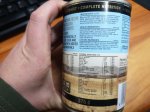
I came across another brand that seems to be low in glycaemic carbs - Petley's Coarse Pate... Below is the analysis on the can:
Crude Protein - 8.5%, Moisture - 82%, Total Fat - 6%, Crude Fibre - 0.9%, Crude Ash - 0.9%. It lists the Glycaemic Carbohydrates as 3%.
My question is - do you think this would be a suitable wet food (seeing that Fancy Feast might not be available locally going forward)? I can post a picture of the can and info if required.
Another question I have - I am sure my cat's glucose level would be a bit lower when she goes back to the vet (urination is not over the top anymore and she has started to lose some weight on her new eating regiment), however... she is not good with travelling and hates going to the vet, can her stress levels affect her blood glucose levels when measured at the vet?
Thanks in advance,
I am new on this forum, I am in the process of changing my cat to a wet food diet, but, I need some help with suitable canned foods.
When we visited the vet 2 weeks ago they did a blood test on my cat (I reported increased urination over the last 3 weeks) - the blood test reported a highish glucose level. We agreed to switch her to prescription food and then return in 2 weeks to retest her glucose levels before looking at any medications (I will be going back in 2 days).
She is on Royal Canin Diabetic kibble and I also opted for the Hill's m/d canned food. Her thirst/urination has decreased, but, I noted the best results when she had the wet/canned food. I couldn't get more of the canned Hills due to unavailability, so, I searched for the Fancy Feast pates (which seems to be discontinued locally... managed to find a few cans of the savory salmon feast classic.
I came across another brand that seems to be low in glycaemic carbs - Petley's Coarse Pate... Below is the analysis on the can:
Crude Protein - 8.5%, Moisture - 82%, Total Fat - 6%, Crude Fibre - 0.9%, Crude Ash - 0.9%. It lists the Glycaemic Carbohydrates as 3%.
My question is - do you think this would be a suitable wet food (seeing that Fancy Feast might not be available locally going forward)? I can post a picture of the can and info if required.
Another question I have - I am sure my cat's glucose level would be a bit lower when she goes back to the vet (urination is not over the top anymore and she has started to lose some weight on her new eating regiment), however... she is not good with travelling and hates going to the vet, can her stress levels affect her blood glucose levels when measured at the vet?
Thanks in advance,



 It is a shame that the prescription kibble is usually the first food sold by veterinarians when they tell you your cat is diabetic.
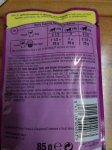
 The listing of ingredients/nutritional information is a bit different than what I am used to; it's hard when every country has its own standards. The only ingredient that is worrisome is "various sugars". However, it comes after minerals, so it may be in a small enough amount to be safe. I think that the Whiskas would be an okay food to feed for now. I would recommend, though, contacting the company either through the form on their website or their customer service phone number. They might not tell you what exactly the various sugars are (they might consider that a trade secret) but they should be able to tell you the carbohydrate percentage either on a dry matter basis or by Typical Nutrient Analysis (TNA) data.
 But the company should be able to give you much more exact numbers. Best of luck to you, and I hope Misty continues to improves, and enjoys her new diet
  I tried not to, at least
  I wish Misty and you the best of luck!
 Just keep an eye out for any signs of ketones developing.
 That's the best part of learning to test before starting insulin; it's okay if you're not able to get a reading. There's always tomorrow, and the day after that to practice


