ManekiNekko
Member Since 2022
Hi there, all.
I am ManekiNekko and my 13-year-old (neutered) male domestic shorthair is Max. I have read through the "start here" links and am working on doing the suggested items (obviously, this is a whole firehose of information).
Relevant history:
Max has been very healthy overall. He has been mildly overweight at 12.8 pounds for the past few years, but the vet wasn't particularly concerned. He has also had mild gingivitis/tartar (had one tooth extracted because of a resorptive lesion during his dental cleaning in 2020).
His primary food has been dry food for the first 5 years or so of life, with a change to about 50/50, sometimes 75% wet, 25% dry, as we made various changes to both the brands of food and the wet/dry ratios for the health of one of his brothers, Sam (who is overweight and has urinary issues, and is therefore on 95% wet food diet with dry food "treats") and Ace (who had lymphoma, which caused his death in 2020).
Max had his regular senior testing done at the end of May with some slightly elevated results (cholesterol, triglycerides, glucose of 174, plus proteinuria), but nothing that vet thought was concerning. However, we began noticing concerning changes sometime in July, which started very slowly (with increased drinking, progressing to noticeable weight loss and, recently, lethargy/less interest in things). We took him in for an urgent care visit on Monday, where the vet gave a presumptive diabetic diagnosis, which was then confirmed by his labs, which we received results of yesterday.
Yesterday, we went in for a consult, where we discussed next steps and received Max's insulin. He has since had his evening and morning doses. Our next appointment is in one week (September 2), where they will test Max's blood and review with us how to test it at home (I have also been reading all the tips here about home testing).
The vet has started Max on insulin without diet changes currently, though future steps include seeing if Max will eat a low carb dry food (in addition to his wet, since he likes the variety of texture). The vet recommended this course for now because he does not expect Max's diabetes to be fully controlled by diet alone, because low carb dry food is not particularly palatable and cats are picky, and because he believes it is important to change as little as possible about Max's lifestyle (ie, insulin and testing are big changes anyway, for both us and Max).
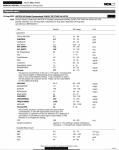
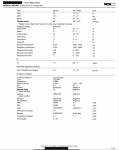
This week's test results showed the following (attached thumbnails which include the references ranges):
Blood:
Albumin, 4
AST, 122
ALT, 189
Glucose, 377
Calcium, 11.1
Chloride, 99
Cholesterol, 618
Triglyceride, 1305
Urinalysis:
Glucose strip, 3+
Ketones, negative
Today, we have to decide whether to purchase the pet specific glucose monitor that the vet suggested or a human one like ReliOn, which I see many of you use, as well as obtain some carb-free treats to make it easier to give him an afternoon snack if he wants one, plus any time I have to "annoy" him by taking his blood glucose, etc. My spouse and I both work from home, and our cats have already been used to three meals a day, so we are going to try to move to two meals plus a carb-free snack in the afternoon.
I am feeling understandably a little overwhelmed, but I am glad to have this forum. If there's anything you want to share with me now as far as "I wish I had known this when my cat was diagnosed," please do!
I am ManekiNekko and my 13-year-old (neutered) male domestic shorthair is Max. I have read through the "start here" links and am working on doing the suggested items (obviously, this is a whole firehose of information).
Relevant history:
Max has been very healthy overall. He has been mildly overweight at 12.8 pounds for the past few years, but the vet wasn't particularly concerned. He has also had mild gingivitis/tartar (had one tooth extracted because of a resorptive lesion during his dental cleaning in 2020).
His primary food has been dry food for the first 5 years or so of life, with a change to about 50/50, sometimes 75% wet, 25% dry, as we made various changes to both the brands of food and the wet/dry ratios for the health of one of his brothers, Sam (who is overweight and has urinary issues, and is therefore on 95% wet food diet with dry food "treats") and Ace (who had lymphoma, which caused his death in 2020).
Max had his regular senior testing done at the end of May with some slightly elevated results (cholesterol, triglycerides, glucose of 174, plus proteinuria), but nothing that vet thought was concerning. However, we began noticing concerning changes sometime in July, which started very slowly (with increased drinking, progressing to noticeable weight loss and, recently, lethargy/less interest in things). We took him in for an urgent care visit on Monday, where the vet gave a presumptive diabetic diagnosis, which was then confirmed by his labs, which we received results of yesterday.
Yesterday, we went in for a consult, where we discussed next steps and received Max's insulin. He has since had his evening and morning doses. Our next appointment is in one week (September 2), where they will test Max's blood and review with us how to test it at home (I have also been reading all the tips here about home testing).
The vet has started Max on insulin without diet changes currently, though future steps include seeing if Max will eat a low carb dry food (in addition to his wet, since he likes the variety of texture). The vet recommended this course for now because he does not expect Max's diabetes to be fully controlled by diet alone, because low carb dry food is not particularly palatable and cats are picky, and because he believes it is important to change as little as possible about Max's lifestyle (ie, insulin and testing are big changes anyway, for both us and Max).
This week's test results showed the following (attached thumbnails which include the references ranges):
Blood:
Albumin, 4
AST, 122
ALT, 189
Glucose, 377
Calcium, 11.1
Chloride, 99
Cholesterol, 618
Triglyceride, 1305
Urinalysis:
Glucose strip, 3+
Ketones, negative
Today, we have to decide whether to purchase the pet specific glucose monitor that the vet suggested or a human one like ReliOn, which I see many of you use, as well as obtain some carb-free treats to make it easier to give him an afternoon snack if he wants one, plus any time I have to "annoy" him by taking his blood glucose, etc. My spouse and I both work from home, and our cats have already been used to three meals a day, so we are going to try to move to two meals plus a carb-free snack in the afternoon.
I am feeling understandably a little overwhelmed, but I am glad to have this forum. If there's anything you want to share with me now as far as "I wish I had known this when my cat was diagnosed," please do!