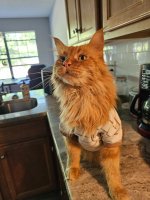
New Diagnosis - Tweek

sblair33

Member Since 2026
Good afternoon! My boy Tweek has been diagnosed with diabetes as the age of 5. Hes young and I am hoping for a quick turn around in hopes we caught it early. Anyone else have cats that were diagnosed at a young age? So many questions and thoughts are going through my mind for him, and I want to make the right choices. I am very happy to have found this board to relieve some worry and have support during stressful times as we both go through lifestyle changes.

All the best,
Ms. Blair

P.s. Tweek for reference:)
 

Attachments

  • 20260411_162004.jpg
    20260411_162004.jpg
    2.2 MB · Views: 10
Welcome to FDMB
Being young is good, Tweek is a gorgeous orange cat. the first you need to know is feline diabetes is very manageable, with the right insulin and dose, the right diet, hoe testing and lots of love
1- INSULIN The best insulin for cats are ProZinc and Lantus they are a 12-hour insulin gentle on the cat, starting at a low dose is good, all cats react different to insulin and as a newbie, is important you know how your cat react to the insulin, a good dose to start with is 1 unit, then work yourself from that
2- DIET A diabetic needs to have a diet of wet can or raw food between 0-10% arbs, so no kibbes, or the so called "diabetic or prescribed foods" they all contain over 2% carbs, and cats cannot digest carbs, a feeding schedule is important, ou need to feed 3-4 small meals or snacks during the day plus the two main meals before each shot, most members feed Fancy Feast Pated or Friskies pates between 0-10% carbs most\ feed up to 5%, so no grazing aloud, if you cat is a kibble junkie like most cats are, the transition from dry food (high Carbs) to wet food, needs to be a slow one, not to upset the stomach, and the change from high to low carbs can also alter the glucose level to dive. down
2- HOME TESTING It is verry important to home test, especially before each shot to avoid hypoglycemia, and testing 3-4 times during the day is also important to know how the insulin works on your cat during the cycles. (12 hours) you do not need a pet meter to test most members use the ReliOn Premier meter and strips (Walmart) considering you are in the US, or any human meter will do, they are just as accurate., if you are not in the US we can send you a food link from yhour area
We are very numbers oriented and we would like to know more about your cat, what insulin,? what dose what are you feeding? so we can all be on the same page we would like you to create your signature and a spreadsheet, links below, also a links to Drs approved food list, he third column contains the carb%
Please keep posting, we are here for you, you are not alone 🫶 ;)


Sticky - New? How You Can Help Us Help You!
https://felinediabetes.com/FDMB/threads/how-to-create-a-spreadsheet.241706/

Info - Dr. Pierson - new Food Chart
 
Welcome to FDMB
Being young is good, Tweek is a gorgeous orange cat. the first you need to know is feline diabetes is very manageable, with the right insulin and dose, the right diet, hoe testing and lots of love
1- INSULIN The best insulin for cats are ProZinc and Lantus they are a 12-hour insulin gentle on the cat, starting at a low dose is good, all cats react different to insulin and as a newbie, is important you know how your cat react to the insulin, a good dose to start with is 1 unit, then work yourself from that
2- DIET A diabetic needs to have a diet of wet can or raw food between 0-10% arbs, so no kibbes, or the so called "diabetic or prescribed foods" they all contain over 2% carbs, and cats cannot digest carbs, a feeding schedule is important, ou need to feed 3-4 small meals or snacks during the day plus the two main meals before each shot, most members feed Fancy Feast Pated or Friskies pates between 0-10% carbs most\ feed up to 5%, so no grazing aloud, if you cat is a kibble junkie like most cats are, the transition from dry food (high Carbs) to wet food, needs to be a slow one, not to upset the stomach, and the change from high to low carbs can also alter the glucose level to dive. down
2- HOME TESTING It is verry important to home test, especially before each shot to avoid hypoglycemia, and testing 3-4 times during the day is also important to know how the insulin works on your cat during the cycles. (12 hours) you do not need a pet meter to test most members use the ReliOn Premier meter and strips (Walmart) considering you are in the US, or any human meter will do, they are just as accurate., if you are not in the US we can send you a food link from yhour area
We are very numbers oriented and we would like to know more about your cat, what insulin,? what dose what are you feeding? so we can all be on the same page we would like you to create your signature and a spreadsheet, links below, also a links to Drs approved food list, he third column contains the carb%
Please keep posting, we are here for you, you are not alone 🫶 ;)


Sticky - New? How You Can Help Us Help You!
https://felinediabetes.com/FDMB/threads/how-to-create-a-spreadsheet.241706/

Info - Dr. Pierson - new Food Chart

Thank you for responding! This is a lot of good information. My main obstacle right now is I live alone and work full time. So taking his blood 3-4 times throughout the day is complicated. I have plans to take his blood before feed (as to not accidentally lower his sugar too much) feed and administer. But then I need to go to work and when I return would check his blood as soon as I got home, wait a few more hours check again, feed and administer. Then I can kinda keep check throughout the night until bedtime. I think this will work best for us, but there's periods of time I am in the air. Vet wants to add a Libre? Meter to him, he wears shirts fine and I think this will help me (and the vet) understand him.
Currently feeding Fancy Feast Pate, and have removed grazing hardfood and other two cats are being accommodating enough(I know they will benefit from this diet too) insulin starts Monday and it will be ProZinc, how much I am not sure yet.
 
For parents that work away from home we suggest the CGM, by ABBOTT, is a sensor on the cat( no pain) motoring 24/7 the glucose levels, you will still need to have a manual meter though since these sensors read low 2 digits lower than reality so you want the manual level as value also a wet food feeder soñé have camera and chips
Thank you for responding! This is a lot of good information. My main obstacle right now is I live alone and work full time. So taking his blood 3-4 times throughout the day is complicated. I have plans to take his blood before feed (as to not accidentally lower his sugar too much) feed and administer. But then I need to go to work and when I return would check his blood as soon as I got home, wait a few more hours check again, feed and administer. Then I can kinda keep check throughout the night until bedtime. I think this will work best for us, but there's periods of time I am in the air. Vet wants to add a Libre? Meter to him, he wears shirts fine and I think this will help me (and the vet) understand him.
Currently feeding Fancy Feast Pate, and have removed grazing hardfood and other two cats are being accommodating enough(I know they will benefit from this diet too) insulin starts Monday and it will be ProZinc, how much I am not sure yet.
so you are way ahead to most newbies I see you have done your homework the protocol for ProZinc are / TEST-FEED SHOOT
 
Many people live alone and work a full time job and are able to manage their diabetic cats just fine without a CGM. Here are some threads that were posted 10+ years before CGMs were made:

Info - IS TIGHT REGULATION POSSIBLE WITH A FULL TIME JOB? YES!
How to handle full time job and a diabetic cat
Monitoring a cat when working full time?

A CGM works well until it doesn't. They generally only last 2 weeks before it needs to be replaced and are known to fall off or malfunction before then. A CGM is expensive and you'll need to keep a few on hand just in case. You do need to know how to manually test from the ear or a paw pad if the CGM fails / falls off or reads LO.

A Human blood glucose meter is all you need (a CGM is made for Humans, too). You don't need an expensive pet specific meter like AlphaTrak. If you have a local Walmart, the Relion brand of meters is inexpensive. The Premier Classic is the no frills basic one which is all you need. Other brand names like AccuChek, Bayer, and Freestyle can also be used and are widely available at most pharmacies like CVS, Walgreens, family owned independent pharmacy if one still exists in your area. You have the option of buying test strips and lancets online (most people do) or, if you run out and need to test, at the local pharmacy.

Start insulin at no more than 1 unit twice a day. If the vet insists on a bigger dose, firmly push back and say NO. Insulin can pack a punch and you don't want to send your cat's blood glucose levels crashing.

People use pet sitters, family, friends, neighbors, etc for when they need to be away. The techs at your vet's office may do pet sitting on the side for the extra money. There are pet sitting platforms like Rover that you can browse through. Always vet a potential sitter thoroughly. Insulin injections aren't the same as popping a pill into a mouth. Boarding is an option but expensive and not all places will give medicine or have staff experienced with giving insulin and testing. If your vet offers medical boarding that would be ideal over a regular boarding place.
 
Many people live alone and work a full time job and are able to manage their diabetic cats just fine without a CGM. Here are some threads that were posted 10+ years before CGMs were made:

Info - IS TIGHT REGULATION POSSIBLE WITH A FULL TIME JOB? YES!
How to handle full time job and a diabetic cat
Monitoring a cat when working full time?

A CGM works well until it doesn't. They generally only last 2 weeks before it needs to be replaced and are known to fall off or malfunction before then. A CGM is expensive and you'll need to keep a few on hand just in case. You do need to know how to manually test from the ear or a paw pad if the CGM fails / falls off or reads LO.

A Human blood glucose meter is all you need (a CGM is made for Humans, too). You don't need an expensive pet specific meter like AlphaTrak. If you have a local Walmart, the Relion brand of meters is inexpensive. The Premier Classic is the no frills basic one which is all you need. Other brand names like AccuChek, Bayer, and Freestyle can also be used and are widely available at most pharmacies like CVS, Walgreens, family owned independent pharmacy if one still exists in your area. You have the option of buying test strips and lancets online (most people do) or, if you run out and need to test, at the local pharmacy.

Start insulin at no more than 1 unit twice a day. If the vet insists on a bigger dose, firmly push back and say NO. Insulin can pack a punch and you don't want to send your cat's blood glucose levels crashing.

People use pet sitters, family, friends, neighbors, etc for when they need to be away. The techs at your vet's office may do pet sitting on the side for the extra money. There are pet sitting platforms like Rover that you can browse through. Always vet a potential sitter thoroughly. Insulin injections aren't the same as popping a pill into a mouth. Boarding is an option but expensive and not all places will give medicine or have staff experienced with giving insulin and testing. If your vet offers medical boarding that would be ideal over a regular boarding place.
Excellent! I was thinking of getting the Relion and kinda of chickened outta thinking I needed to ask vet first. I will get this today. Also a lot of my family and friends won't be able to help with this. So if I ever have to be somewhere else, I will have to take to the vet or hope to hire a trustworthy sitter (not preferred but understandable). Thank you!
 
Well, I would not say that it a recommendation from FDMB that if you work, a CGM is the preferred testing method. In fact, the board moderators have been here before CGMs were invented and we all used hand held meters and most of the moderators over the decade+ that I've been here worked used a hand held glucometer. . There are pros and cons for each type of meter. If you do opt to use a CGM, it's also important to know how to use a glucometer to home test since if the CGM fails, you will have a hand held meter as a back up.

I worked full time when I was caring for Gabby. What worked for me was to arrange my test time around her needs. I was testing at 5:00. However, I didn't live far from work and I had a reasonable amount of control over my schedule. I was using Lantus which has the least amount of flexibility with shot times. Prozinc is a little bit more generous.

I would ask at your vet's office if any of the techs have a side gig as a petsitter. It's how I found my first petsitters. Also, if you ask here, there may be members in your area who have petsitter or who you may be able to trade services with. Finally, I often see posts on NextDoor for people who are looking for a recommendation for a pet sitter.
 
Well, I would not say that it a recommendation from FDMB that if you work, a CGM is the preferred testing method. In fact, the board moderators have been here before CGMs were invented and we all used hand held meters and most of the moderators over the decade+ that I've been here worked used a hand held glucometer. . There are pros and cons for each type of meter. If you do opt to use a CGM, it's also important to know how to use a glucometer to home test since if the CGM fails, you will have a hand held meter as a back up.

I worked full time when I was caring for Gabby. What worked for me was to arrange my test time around her needs. I was testing at 5:00. However, I didn't live far from work and I had a reasonable amount of control over my schedule. I was using Lantus which has the least amount of flexibility with shot times. Prozinc is a little bit more generous.

I would ask at your vet's office if any of the techs have a side gig as a petsitter. It's how I found my first petsitters. Also, if you ask here, there may be members in your area who have petsitter or who you may be able to trade services with. Finally, I often see posts on NextDoor for people who are looking for a recommendation for a pet sitter.
Thank you so much! My vet appt. Is tomorrow and he will have his CGM attached as well as a run through on how to administer the shots. I also went ahead and bought a glucometer today and did a practice run with him. I was nervous and I cried after and I even messed up the sample. But I know it'll get better the more I do it. Hes such a champ..very patient with me while I struggle to help him. I will also ask the vet about the techs and look into NextDoor. Its great getting so much helpful advice, it doesn't seem so daunting, I just have to get into the routine now.
 
Thank you so much! My vet appt. Is tomorrow and he will have his CGM attached as well as a run through on how to administer the shots. I also went ahead and bought a glucometer today and did a practice run with him. I was nervous and I cried after and I even messed up the sample. But I know it'll get better the more I do it. Hes such a champ..very patient with me while I struggle to help him. I will also ask the vet about the techs and look into NextDoor. Its great getting so much helpful advice, it doesn't seem so daunting, I just have to get into the routine now.

Trust me, it hurst us more than it hursts them, once the capillaries begin to swell the easier it gets to draw blood, do not let the vet place the sensor with glue, please, he will tell you is special glue , but it really irritates their skin pretty bad, and every time you install a new sensor is a new shaven spot your cat will have.
pay attention on how the sensor is placed, ( tell him to give you the box,) is very easy, this way you do not put your cat thru stress to the vet and save money, he will charge you for the visit, more for the sensor, and placement. it can get expensive, tell him to give you a continuous prescription for the sensors, take it to Walmart or your favorite pharmacy, keep at least two sensors at home, in case they stop working before the 14 days, or fall off, ABBOTT guarantees the sensors, so if this happens, call them they will ask you for the numbers located outside the box, they will replace them as many as needed, but do not say IS FOR YOUR CAT, or they won't replace it, if you get a two digit glucose level, please re-test manually and use that as BG as value, it is another flaw of the CGM
Let us know how it went at the vet 🫶
 
There's a FDMB members map that you can use to see if there is anyone in your area: https://felinediabetes.com/FDMB/members/membersmap You can send someone PM to ask about possible pet sitting. I wouldn't rely solely on the map. There may be members in your area who just opt out of being on the map and there are others who are on the map but have not been on FDMB for months and may not have ever posted.

You could also post here on FDMB asking for pet sitter recommendations. Someone may have lived in your area before and know someone.

If there's a vet school or vet tech program in your area, reach out there and ask if a student would be interested. The school's web site will have contact information for the director of the program or someone else.
 
Back
Top