New Diagnosis- Lots of Individualized Questions

Status
Not open for further replies.

Sierra & Cats

Member Since 2022
Hello! My 15 year old cat was recently diagnosed and I've spent hours reading through the FAQs and forums on this website. He is currently on a raw-only diet. He eats Raw Paws Complete Chicken for Dogs & Cats. It is a frozen raw diet that I thaw and serve plain. The vet didn't think it was necessary to switch to a wet food diet as his raw is already very low carb (80% meat, 10% organ, 10% ground bone). But I keep reading about the need to switch to a low-carb wet food. Do all of the same diabetic tips apply (feeding times around shot, offering this food following a hypoglycemia episode, etc.) when he's on a raw diet?

In addition, I had a few more questions:

1) I'm not sure of his weight. Unfortunately the vet didn't tell me and it's not listed on the invoice I have. He has lost a lot of weight and I would estimate him to be about 7-9 lbs. He has always been a 11-15lb cat. The vet recommended a dose of 1 unit of glargine insulin 2x/day, and did not tell me to home monitor. I bought a home monitor anyways after reading through these forums, but I'm still concerned this may be too high of a dose given his low body weight. Would it be advised to start him on 0.5 units 2x/day initially despite the vet's recommendation? I am not sure of his fructosamine level, but the blood glucose test they did the day of his appointment read 525 (or 585- I can't remember!). I'm just worried about overdosing him to start since he's so frail right now.

2) As far as a feeding schedule: All of my other cats are fed raw food 2x/day at 5:30am and 3:00pm. (sometimes a third meal around 9pm if they're hungry). My diabetic cat has been served tons of additional meals throughout the day since he is ravenously hungry. He hasn't had a schedule for the past few weeks/month or two that I've noticed this. Unfortunately I can't start him on insulin until after the holidays since I wasn't able to get supplies before everything closes for the holiday. When I start him, should I give him additional meals to prevent hypoglycemic attacks, particularly overnight after his pm shot? Since he's on raw, I'm worried that his current regimen may be too low carb, but the vet said it's a good thing to be as low carb as possible. I'm thinking something like this:

5am- meal
9am- meal + insulin
3pm- meal
9pm- meal + insulin

3) What are the "ok to shoot" blood glucose ranges? Is it do not give insulin if he's <150? And consider a smaller dose or skipping if he tests 150-200? The vet said our target range is to have his BG under 250, but I'm not sure how low is "too low" for deciding to skip the shot. I am really worried about hypoglycemia and want to err on the side of caution.

4) Glargine insulin... I'm reading online that it's not important to feed and wait 20-30 minutes prior to the shot, but the vet instructed me to definitely always feed a meal before administering insulin. I was planning to test, feed, wait 20 minutes, and then shoot. Does that sound about right?

Thank you all so much!
 
Welcome to FDMB! And thank you for doing all of that reading.

A couple of basics first. Not everyone uses glargine (Lantus). Some of the information you've been reading applies to a different insulin.

There are two sets of information I suspect you'll find helpful.
  • This is a link to the Lantus forum. Take a look at the sticky notes at the top of the board. All of the information in those notes is specific to Lantus.
  • For us to be of maximum help to you, please read over this post on helping us to help you. The post contains information on how to set up your signature and a spreadsheet. The signature will give us basic information about your kitty, insulin you're using, date of diagnosis, etc. so we don't keep plaguing you with the same questions. The spreadsheet is a way for you to keep track of your cat's progress and will allow us to follow along and offer information based on your cat's response to insulin.
A raw food diet is just fine. Unless the manufacturer is adding vegetable or fruit matter to the food, it should be low in carbs. I took a look at the Raw Paws page. Can you check to see if there are any supplements that are included in the ingredients? Feeding a cat protein only is fine but the food needs to be nutritionally complete. In other words, cats need certain vitamins along with taurine in their diet otherwise, you're setting your cat up for long term health problems. For example, taurine is necessary for vision, heart muscle and other aspects of your cat's health. At least from the ingredients on the web, Raw Paws is not a nutritionally complete diet. You can purchase a pre-mix which is a powder that contains all of the supplements to make a protein only product nutritionally complete. Many of us use EZComplete.

If you want more information on feline nutrition, Lisa Pierson, DVM's feline nutrition website is a great resource.

All of the information about feeding your cat applies to a raw or canned food diet -- or any low carb diet for that matter. You do want to have some high carb food on hand. You use high carb to bump up low numbers.

One way to know your cat's weight for sure is to call the vet's office after the holiday. One of the staff can certainly pull the file and tell you. However, whether you need your cat's weight is dependent on which dosing method for Lantus you're opting for (at least initially). With the Tight Regulation Protocol (TR), the initial dose is determined by a weight based formula. (For an 8 lb cat, the starting dose would be between 0.75 and 1.0u.) If you're opting for Start Low Go Slow (SLGS), given that your cat is on a low carb diet, the starting dose would be 0.5u.

The fructosamine level is great for confirming a diabetes diagnosis. Beyond that, it's not particularly helpful especially if you're home testing! Also, the blood glucose (BG) level at the vet's office is likely elevated due to stress. The stress of being in a carrier, being in the car, and being at the vet's office with all of the strange noises and smells artificially elevates BG numbers. Hopefully, you'll see somewhat lower numbers at home.

You definitely need to feed your diabetic cat at shot time. With Lantus, you test, feed, and give your insulin injection all within a few minutes. Lantus onset (when the insulin starts to kick in) is about 2 hours after you shoot. You do not need to wait before shooting. (Feeding 20 min. in advance of injecting applies to shorter acting insulin -- not Lantus.)

Multiple small meals a day is a great strategy. For a diabetic, there are a couple of other things to consider. For most cats, Lantus is most active during the first 6 hours or so of the cycle. As the 12-hour cycle progresses, the insulin activity begins to wear off. So, if you're feeding at 5:00, which is 8 hours into the cycle, you may be bumping up the BG numbers toward the end of the cycle. This isn't a major issue -- you just don't want to feed during the 2 hours prior to shot time (unless your cat drops into low numbers).

If your cat has lost weight, it's fine to feed to as much food as your cat wants. Diabetes tends to cause a cat to be ravenous. This is because insulin helps the end product of metabolism -- glucose -- to get into the cells. Not having enough insulin (i.e., diabetes) means your cat is literally starving since the glucose floats around in the blood stream versus getting into the cells. So, feed your kitty. As your cat's BG numbers improve, your cat's appetite will normalize.

Vets have a different perspective on when to shoot than we do. They are typically not used to having caregivers who home test. Home testing is hands down the best way to keep your cat safe and gives you far more control over what's going on with your cat's BG. With Lantus, we typically encourage a new member to post and ask for help if your cat's pre-shot test number is 150 or lower. As you get more comfortable with managing your cat's diabetes, we encourage you to shoot progressively lower numbers. With Lantus, the mantra is "Shoot low to stay low." Ultimately you will be able to shoot normal range numbers. With my kitty, I would shoot as long as numbers were above 50. I would not encourage a new member to do that! The best suggestion I can make is to get a test an hour prior to shot time and if numbers are lower than you're comfortable with, post and ask for help.

Sorry for bombarding you with information. Please let us know if you have questions.
 
Welcome to FDMB! And thank you for doing all of that reading.

A couple of basics first. Not everyone uses glargine (Lantus). Some of the information you've been reading applies to a different insulin.

There are two sets of information I suspect you'll find helpful.
  • This is a link to the Lantus forum. Take a look at the sticky notes at the top of the board. All of the information in those notes is specific to Lantus.
  • For us to be of maximum help to you, please read over this post on helping us to help you. The post contains information on how to set up your signature and a spreadsheet. The signature will give us basic information about your kitty, insulin you're using, date of diagnosis, etc. so we don't keep plaguing you with the same questions. The spreadsheet is a way for you to keep track of your cat's progress and will allow us to follow along and offer information based on your cat's response to insulin.
A raw food diet is just fine. Unless the manufacturer is adding vegetable or fruit matter to the food, it should be low in carbs. I took a look at the Raw Paws page. Can you check to see if there are any supplements that are included in the ingredients? Feeding a cat protein only is fine but the food needs to be nutritionally complete. In other words, cats need certain vitamins along with taurine in their diet otherwise, you're setting your cat up for long term health problems. For example, taurine is necessary for vision, heart muscle and other aspects of your cat's health. At least from the ingredients on the web, Raw Paws is not a nutritionally complete diet. You can purchase a pre-mix which is a powder that contains all of the supplements to make a protein only product nutritionally complete. Many of us use EZComplete.

If you want more information on feline nutrition, Lisa Pierson, DVM's feline nutrition website is a great resource.

All of the information about feeding your cat applies to a raw or canned food diet -- or any low carb diet for that matter. You do want to have some high carb food on hand. You use high carb to bump up low numbers.

One way to know your cat's weight for sure is to call the vet's office after the holiday. One of the staff can certainly pull the file and tell you. However, whether you need your cat's weight is dependent on which dosing method for Lantus you're opting for (at least initially). With the Tight Regulation Protocol (TR), the initial dose is determined by a weight based formula. (For an 8 lb cat, the starting dose would be between 0.75 and 1.0u.) If you're opting for Start Low Go Slow (SLGS), given that your cat is on a low carb diet, the starting dose would be 0.5u.

The fructosamine level is great for confirming a diabetes diagnosis. Beyond that, it's not particularly helpful especially if you're home testing! Also, the blood glucose (BG) level at the vet's office is likely elevated due to stress. The stress of being in a carrier, being in the car, and being at the vet's office with all of the strange noises and smells artificially elevates BG numbers. Hopefully, you'll see somewhat lower numbers at home.

You definitely need to feed your diabetic cat at shot time. With Lantus, you test, feed, and give your insulin injection all within a few minutes. Lantus onset (when the insulin starts to kick in) is about 2 hours after you shoot. You do not need to wait before shooting. (Feeding 20 min. in advance of injecting applies to shorter acting insulin -- not Lantus.)

Multiple small meals a day is a great strategy. For a diabetic, there are a couple of other things to consider. For most cats, Lantus is most active during the first 6 hours or so of the cycle. As the 12-hour cycle progresses, the insulin activity begins to wear off. So, if you're feeding at 5:00, which is 8 hours into the cycle, you may be bumping up the BG numbers toward the end of the cycle. This isn't a major issue -- you just don't want to feed during the 2 hours prior to shot time (unless your cat drops into low numbers).

If your cat has lost weight, it's fine to feed to as much food as your cat wants. Diabetes tends to cause a cat to be ravenous. This is because insulin helps the end product of metabolism -- glucose -- to get into the cells. Not having enough insulin (i.e., diabetes) means your cat is literally starving since the glucose floats around in the blood stream versus getting into the cells. So, feed your kitty. As your cat's BG numbers improve, your cat's appetite will normalize.

Vets have a different perspective on when to shoot than we do. They are typically not used to having caregivers who home test. Home testing is hands down the best way to keep your cat safe and gives you far more control over what's going on with your cat's BG. With Lantus, we typically encourage a new member to post and ask for help if your cat's pre-shot test number is 150 or lower. As you get more comfortable with managing your cat's diabetes, we encourage you to shoot progressively lower numbers. With Lantus, the mantra is "Shoot low to stay low." Ultimately you will be able to shoot normal range numbers. With my kitty, I would shoot as long as numbers were above 50. I would not encourage a new member to do that! The best suggestion I can make is to get a test an hour prior to shot time and if numbers are lower than you're comfortable with, post and ask for help.

Sorry for bombarding you with information. Please let us know if you have questions.


Thank you for all of this information! What an incredible help. I'll work on setting up my signature as soon as possible. I just emailed the Raw Paws company and asked about this. I had asked them when I first started my cats on their food, and I was told that it was nutritionally complete because of the organ and ground bone, which contain the vitamins and minerals to make it balanced (ie taurine from the heart). They sell another one which is just meat and would require a premix, but this is their "complete" variety which is supposed to be a complete meal. Is there any specific nutritional information that isn't on the website that I should be asking for? I just sent a general email to the company, to confirm that it's nutritionally balanced.

My vet didn't discuss the two different methods. The Start Slow Go Low sounds preferable to me but I don't want to backpeddle on veterinary advice. I'm just worried about giving him too much based on how lightweight he is now. This is all so much to get used to, a ton of information to learn, and very overwhelming.

I did have one question about your timing advice. You mentioned testing, feeding, and shooting all within a few minutes given that he'll be on Lantus. But then you also said to get a test an hour prior to shooting. What should the wait time be, if any, between testing and feeding/shooting?

Thank you so much.
 
I may have been looking at the wrong product on the website! I just went and looked at the "complete" variety and it says nothing about vitamins, taurine, etc. I would ask them for a complete guide to the nutritional properties and not just protein, fat, water, etc. Simply saying it's got everything in it that a cat needs because they use organ meat meat may be accurate but I'm a skeptic when it comes to pet food manufacturers.

SLGS is a dosing method that was developed here over the course of a lot of years so it's no surprise your vet wouldn't mention it. The method was being used before the research on TR was published. Obviously, TR has research behind it and has a very solid track record for getting cats into remission. Many people start out with SLGS and once comfortable with diabetes management, may switch over to TR. You're not making a permanent decision regardless of which dosing method you opt for.

If you test an hour prior to your shot time and numbers are lower than expected, it gives you time to post, ask for help, and it gives us a window of time to respond to your question. This board (Health) and the Lantus board are both usually very busy and members can be around 24/7. Then again, when you're panicky about what to do, it can seem like forever to get a reply. Giving yourself a buffer prior to shot time can help. If you look at my spreadsheet, you'll see that many of us test a lot. (I was a testaholic. You do not need to test they way I did. Gabby was prone to fast, hard drops into low numbers so my testing frequency was a way to insure she was safe.) In general, you'll want to test at pre-shot times and at least one additional time during the AM and PM cycles.

Generally, you start out on a dose and hold that dose for 5 - 7 days (unless a dose reduction is indicated). This allows the Lantus to stabilize in your cat's system. With SLGS, if the numbers are not in the range you want them, you increase the dose by 0.25u every 7 days.
 
Last edited:
Welcome! @Sienne and Gabby (GA) gave you a ton of fantastic info, you couldn’t be in a better place to help you navigate through this - this forum has been a lifesaver for me. I am no expert but I did scan through the above thread and I don’t see where it was mentioned to test an hour before shooting… my understanding is we aim to test throughout the cycle to help “fill in the blanks” and become “data ready” to get our kitties regulated but as far as I know the two “must test” times are amps and pmps (preshot tests).

Eta to see @Sienne and Gabby (GA) ‘s reply! I must be blind. Totally understand the test one hour early question now…!
 
Thank you all for the advice! I'm getting a clearer understanding of it now. I don't think I could accurately measure out a 0.25 increase, and if the research shows there's evidence for remission with the other approach, I may go ahead and stick with what the vet recommended at 1 unit.

If I do test an hour before the shot to allow time for any feedback and it's a good range to shoot, will I have to test again one hour later, immediately before giving the shot? BG won't suddenly drop within that time frame, right? In other words, does the one hour early shot count as the "pre-shot' test or will I need to do another test immediately before the shot?

Re: nutrition of the raw food, I've copied the the company reply below and welcome any thoughts! I know this is an aside, but I do want to make sure I have him on a sufficient diet especially if we're starting to treat diabetes.


"Thanks for reaching out :)

Your cat will receive adequate nutrition from our complete chicken.

Our signature blends are indeed considered complete. They are 80% meat, 10% organ, and 10% bone. The formulation of our signature blends came together with the combination of our own 20+ years of raw feeding experience along with advice from holistic vets and animal dietary nutritionists.

Also, taurine is naturally occurring in meat. If the meat is not cooked, then the taurine does not break down. When cats had problems in the 50s, it was due to over-processed canned foods in which the taurine was totally destroyed by the canning process. That’s when we discovered cats require taurine. By feeding a raw diet, regardless of whether taurine is added, your kitty is eating ample levels of taurine.

Hopefully, this helps. Please let us know if you have any other questions."
 

Attachments

  • upload_2022-11-24_11-50-32.png
    upload_2022-11-24_11-50-32.png
    82.4 KB · Views: 134
  • upload_2022-11-24_11-54-7.png
    upload_2022-11-24_11-54-7.png
    66.3 KB · Views: 148
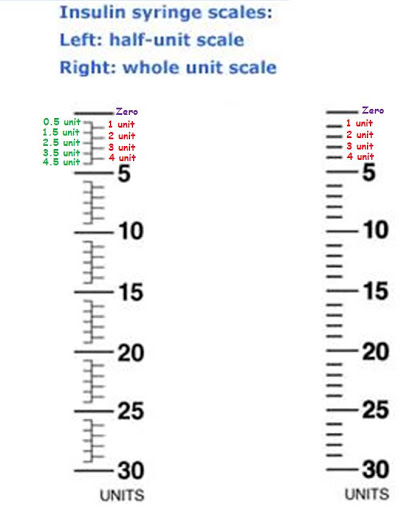
Are your syringes 1/2 unit marked? We all use those as it’s easier to guesstimate the 1/4 increments and we adjust the doses by 1/4 increments. If you’re in the US, Walmart sells them
 

Attachments

  • upload_2022-11-24_9-27-54.png
    upload_2022-11-24_9-27-54.png
    834.4 KB · Views: 137
Hi again! I've spent the holidays browsing through the forums and I'm feeling way more anxious, overwhelmed, and defeated then when I started this process. I think I need to reduce information overload and just get to the basics. I'm diagnosed ADHD and find that it really comes out in things like this (particularly medical, especially animals). I cannot keep information straight, am prone to overload, and go down rabbit holes trying to read and click into all of the links, and then wind up being too paralyzed by all of the loose ends to actually start the process at all. The Lantis forums have helped me understand more about how this particular insulin works, though what I'm understanding is that it still varies widely and there really isn't a predictable reaction until the pet starts on insulin since every pet is different. Apologies for the brevity below, but I am just trying to sort and process everything. I really appreciate the availability, support, and resources you have all provided so far.

1) The syringes that the vet gave me have 1/2 markers. They are 29 gauge and 7.6 mm. Frankly there is far too much information for me about the different types of needles and I am not comfortable with needles yet, so I would like to stick with the ones that the vet gave me since she had me do a test run & I feel more comfortable using those. I do appreciate the info about the other options at Walmart and will plan to revisit that when I am able to, but I just have to shelve that in my brain as a low priority for now. The syringes I do have include a 1/2 marker, but I figured it's such a small increment it would be difficult to estimate accurately.

2) The pharmacy gave me the pen, not the vial that the vet had for the demo. The vet said not to use the pen tips that the pharmacy has, but to extract the insulin from the pen into the syringes that she gave me. This was because the pen tips can easily overdose and are not calibrated to be so specific to the units measured for pets. She did not bring equipment to show me how to pull the insulin from the pen into the syringe and I haven't been able to find this on Youtube. Are there any resources on here for that?

3) The vet told me to buy the Alphatrak so I have that en route, but I read on here that's not advised as the numbers used in these discussions are for the human glucometers. Could anyone provide clarity on that?

4) I'm not clear on what the preferred method is between the SLGS and TR protocols and what the benefits of each are. Is it that the Tight Regulation is researched clinically and the data supports that this method is correlated with remission? But with this method, the patient is more prone to hypoglycemic episodes than the slow method? And with the Slow Method, it's more anecdotal so it doesn't have clinical data, but a cat is less likely to experience a hypoglycemic episode?

5) I am not confident in home testing at this time but I understand the importance and want to try. I have a really rocky past with handling illness in animals. As an example, I would drive one of my cats to a vet 45 minutes away (one way) daily just to have them administer pills, otherwise he would not have gotten meds because I panic and shut down. I get a ton of anxiety about pet illness and it really impacts my ability to do treatments that typical owners find to be no big deal. The vet that came to treat my diabetic senior cat was a mobile vet so it reduced travel stress on both me at the cat. The readings they took were 500+ at home, without really any stress. They just hopped out of the van, he's an indoor/outdoor so he was already outside, and they took the reading on the spot. I want to do whatever is best in the treatment and management of his condition, but I also know my limits. I am not sure that I can realistically home test before each shot, and this is why I'm concerned about the TR dosage. Would it be worse off for his long-term outcome if I did the SLGS method?
 
Let me try to answer some of these but first, do what you have to do to take care of yourself and keep your sanity. It’s a juggling act so if you feel some of the things we’re telling you to do are too much, just pick your battles and do what you can.

1) forget TR for now. It’s suppose to have a slightly better shot at remission because it’s more aggressive, but you need to be able to test more and consistently, at least 4 times a day and you can’t commit to that. So SLGS is the method for you. It also has a good remission track record.

2) we all draw from the Lantus pen directly with the syringe. I’m not sure about a video but the pen also has a rubber tip just like a vial does. If you open and touch the tip, you’ll feel it with your finger. All you have to do is insert the needle into the rubber and draw. Just like you would with a vial. You’ll be able to see the needle go in and through the clear part of the pen where the insulin is

3) most of us use human meters but there are also quite a few folks here who use the alphatrack. The readings are different but the main reason we all use human meters is pricing. Human meters are cheaper because the test strips are cheaper. Members here should still be able to guide you based on alphatrack numbers since some are very familiar with it. I’m not one of them unfortunately

4) as far as the syringes, it sounds like you have the right ones. Feel free to take pic of it and post it here if you want. It’s tricky to eyeball it yes, I used to draw on it with a marker before drawing the insulin so that I’d easily see where I’d have to draw to. It made it a little easier for me

take a deep breath and remember that feline diabetes is a marathon not a sprint. Baby steps :cat:
 
I want to correct what @Ale & Minnie (GA) noted about the amount of testing. Regardless of whether you opt to follow TR or SLGS, you should do your best to test at least 4 times a day. You MUST test at AMPS and PMPS to be sure it's safe to give insulin. You also want to get at least one test during both the AM and PM cycles. This is because Lantus dosing is based on the lowest number in the cycle and not on your pre-shot number. Ideally, you're testing somewhere around your cat's nadir (low point in the cycle). Many of those who follow TR test more although having a continuous glucose monitor, like the Freestyle Libre, has made testaholics out of a lot of our members! If you're concerned about home testing, please talk to your vet about the possibility of a Freestyle Libre. You do not have to poke your cat. We are strong advocates of home testing since it's the most effective way to keep your kitty safe. FWIW, most people are nervous about testing their cat at first. You're in good company. At least now with a Libre, you have that as an option.

Basically, there are a few fundamental differences between TR and SLGS:
  • With TR, your cat must be on a low carb, canned food or raw diet. SLGS will allow for a low carb kibble food.
  • The point at where you reduce the dose differs. With SLGS, you reduce if numbers drop below 90. With TR, a cat that's within the first year of diagnosis gets a dose reduction if numbers drop below 50.
  • How long you hold the dose also differs. With SLGS, you hold the dose for a week, do a curve, and then decide if the dose needs to be reduced. With TR, the dose is held for 3 days and you evaluate if the numbers are in the normal range or not. With both methods, if the numbers are not where you want them, you increase the dose.
TR is a more aggressive approach. The upside is that there is research to support its use. SLGS was developed here and has been used for a long time. Both approaches can get a cat into remission. I've been hanging around here for over 10 year. I would not say that a cat is more prone to hypoglycemia with one dosing method over the other. Because TR is more aggressive doesn't mean that it's riskier. My way of thinking is that if you are familiar with where your cat's onset and nadir fall and get to know how your cat responds to insulin, you minimize the chance of low numbers. I think people are more apprehensive about TR because the reduction point is much lower than with SLGS.

Your vet sounds like he is on top of things. Most vets are clueless about using a syringe with an insulin pen! The only thing I'd encourage you to consider is changing the needle gauge when you're ready to buy more syringes. A 29 gauge syringe is a pretty thick needle. if your kitty is flinching when you shoot, consider getting a 30 or 31 gauge syringe.
 
Thank you for your quick reply. It is definitely going to be a marathon.... but hopefully this is the worst stage of it all. I am very easily overwhelmed.

1) I picked up his insulin today and I'm thinking of doing the first shot tonight. Should I still start with the 1unit that the vet recommended or should I do 0.5 units? The instructions were to hold the dose for a week and then do a curve. She did say 1 unit was a really low dose, so it sounds like she was already doing the SLGS method? But 1 unit just seems like a high starting point to me. She recommended I get all of my info from this website, so she must be familiar with both methods. I'm especially worried about it being overnight since I won't be able to try testing him again until the morning and this being his first dose ever.

2) Perfect explanation. I will take a look at the pens and practice the dosing. After I posted, I was able to find a video of someone demonstrating how to do both. I just wasn't clear-- the video didn't include a step to suck air into the syringe prior to drawing the insulin, but the pharmacist told me to. Do you suck air into the syringe prior to sticking it in the pen?

3) Is there any sort of chart equivalent where it compares the human and animal numbers?

4) I should be able to eyeball with the syringes. I will try to remember to post a picture (need to do a spreadsheet first... still working on that)

Thank you!!
 
1 unit is a typical dose for cats starting on TR. The go slow method would have you start at 0.5 units if your cat is eating all low carb wet or raw. With an initial blood sugar reading over 500, I think you could pick either dose.

You don't suck air into syringes if withdrawing insulin from a pen. But you do if from a vial. Did you want the video by Julie in this Sticky Note:
Insulin Care & Syringe Info: Proper Handling, Drawing, Fine Dosing

There is no chart equivalent comparing human an animal numbers - it doesn't exist. People here have tried comparing the two, and haven't found anything consistent. We do know that we don't want cats on insulin to go below 68 on an animal meter, or 50 on a human meter. In higher numbers, the tend to be even further apart. But frankly, a blood sugar value of "too high" it doesn't really matter how high. Our dosing methods are written using human meters, so you'll get more dosing help if you use human meter numbers. Plus the test strips for a human meter are way cheaper.

Good luck with that first shot.
 
And @Sienne and Gabby (GA) is correct in clarifying what I said. We want everyone to test at least 4 times a day. What I meant is that with TR it’s even more important to test multiple times a day and since you’re feeling overwhelmed about it all, SLGS would probably be the best smartest option for you. Your health comes first otherwise who is going to care for your cat? If you can’t do 4 times a day, do the best you can. Start with the preshot tests and build from there. Again, baby steps.
 
Thank you all so much. The first few doses have been going well (though I don't think his BG is where it should be). I'm a little nervous that I'm not getting the insulin into him correctly, but I'm reminding myself that it's only day 3 and that we're both still learning. I'm pretty sure it's going in but probably just wearing off by the 12 hour mark? I understand the dosing will take time and this is all a starting point.

He's been good about the ear pricks. I'm only doing the amps and pmps testing right now until we work out way into it. I'd like to start testing tomorrow at +3 or +6 to see what's happening with his BG during the day. Just taking it in baby steps for both of us. The vet recommended a glucose curve 7 days after we start which would be this upcoming Friday, so I figured that'll be a good starting point regardless if I don't test more frequently before then.

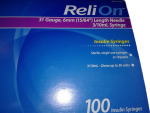
The vet had cautioned against buying syringes made for humans since the dosing is off, but I would like to do what's most comfy for him and switch to the 31 gauge ReliOn syringes posted above. Any thoughts on what the vet had said?

I've updated my Spreadsheet and will keep familiarizing myself with this forum.

Thank you all so much for your help. I am over the initial panic and am looking forward to exploring the forums more.
 
Sierra -

I haven't a clue what your vet is talking about. There is no such thing as a "pet specific" syringe. How can a human syringe be "off?" I suspect the FDA would be rather concerned if that's the case! One unit of insulin is one unit of insulin. If your vet is saying that 1 ml, for example, is different if you're giving a shot to a pet vs a human, I have no idea how he (or she) thinks measurement works. It's like saying a temperature of 98 degrees is different in a human vs your cat depending on the thermometer. There are not different ways to measure things depending on the species. Just out of curiosity, what is the color of the cap on your syringes? You should be using a U100 syringe with glargine. It should have an orange cap. (If it has a red cap, it's a U40 syringe. U40 syringes are used with Vetsulin and Prozinc which are typed of insulin that were developed for pets. They are U40 insulins. The concentration of the insulin -- the U40 or U100 -- should match the syringe.)

Glargine takes roughly 5 - 7 days to build up in your cat's system and to begin to have an effect on your cat's blood glucose (BG) numbers. Glargine is a "depot" insulin. What that means is that when you inject glargine, it forms microcrystals that are deposited in the fat tissue. These crystals dissolve slowly which is why glargine is gentle insulin and why it has a long duration of action. Not all of the crystals completely dissolve by the end of the 12-hour cycle so there's overlap between the cycles. Because of the way glargine works, it takes time for the depot to form and to stabilize. Once the depot forms (i.e., after a week), every time you raise or lower a dose, you also need to allow the depot to catch up with the change in dose.

I'm glad you're considering testing more. Glargine dosing is based on the lowest number in the cycle -- not on the pre-shot number. You ALWAYS need to test at pre-shot. It's the only way to know if Diablo's numbers are in a safe range to give an insulin shot. You'll also want to get at least one test somewhere around the middle of the cycle. It's important to know how low the dose is bringing your cat's numbers. At some point, you'll want to get an occasional curve. This means you test every 2 hours over a 12-hour cycle. The curve will help you sort out when insulin onset begins (i.e., when the insulin starts to have an effect on Diablo's numbers), where the nadir falls (i.e., the lowest point in the cycle -- although nadirs can move around), and how much duration you're getting from the insulin.
 
There is no such thing as a "pet specific" syringe.
There are such syringes. Like the U40 syringes are for pets only and some U100 are sold as for pet only. When I worked at a vet, there were even syringes, needles and other common items marked "For veterinary Use only". They were less expensive than the the human grade ones. I suspect the manufacturer has less regulation for veterinary stuff than they would for human stuff.
How can a human syringe be "off?"
There have been recalls for human insulin syringes
https://www.fda.gov/medical-devices...ixed-needle-insulin-syringes-skewed-graduated
https://www.diabetesselfmanagement.com/blog/insulin-syringe-recall/
Some syringes {ReliOn insulin syringes} made for use with U-40 insulin were packaged with syringes made for U-100 insulin (U-100 insulin has 2.5 times the concentration of active insulin per milliliter as U-40).
 
Any medical product, well, any product medical or not, can be recalled for a number of reasons. What I was referring to was the basic manufacturing which, when it comes to medical products, is reviewed by the FDA. This includes products for veterinary use which undergo review by the Center for Veterinary Medicine (CVM) which is part of the FDA.
 
Thanks for all of the continued input. I think I was able to find the right syringes. The one that the vet gave me are ordered directly from the manufacturer and I haven't been able to find the brand sold anywhere online. Someone here recommended changing from a 29 gauge to a 30 or 31 gauge so I ordered the ones below. The only difference between these syringes and the ones the vet gave me aside from the gauge side is the length of the needle. Both are 3/10cc, have half-unit markings, and have an orange cap. These ones are 8mm needles and the ones I have from the vet are 7.6mm.


upload_2022-12-4_16-10-6.png
 

Attachments

  • upload_2022-12-4_16-10-6.png
    upload_2022-12-4_16-10-6.png
    236.9 KB · Views: 169
Status
Not open for further replies.
Back
Top