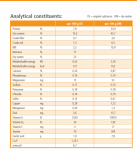
I'm wondering about feeding Angel a low carb low phos but 50% protein food once a day. I know with ckd they recommend 35% protein for diabetic cats, but he needs to put on weight. The one I'm thinking of is Feringa Lamb from the UK list. Any advice?
There are different opinions about what to feed CKD kitties. The 'old school' approach is to reduce protein whatever the stage of the disease; the emerging approach (for all the but the later stages of the disease) is to feed a decent amount of good quality protein to maintain muscle mass. In both instances keeping phos under control is also important.
In my experience - just as with managing diabetes - it ultimately comes down to gathering information, weighing up the options, and then making a choice about what path to take.
With my own cats I have never restricted protein. I have just used a phos binder if the blood phos level got above normal range. And I've fed good quality foods with as low a phos content as the cat would eat and enjoy (for me, 'quality of life' is a major consideration, and I don't want to have to feed my cats stuff that they don't really want and would prefer not to eat).
And sometimes additional factors also affect the food choices, especially if there are other concurrent conditions, such as diabetes...
My previous diabetic, Bertie, had early kidney disease. In his case I made a choice to keep feeding low carb foods to try to keep his blood glucose in a good range, since that meant less work for his kidneys.
It was also important that he maintained his body weight for as long as possible (he became very prone to weight loss). He also had gut issues, and ultimately could only eat raw food (a commercial brand that he was particularly fond of). That food was not particularly low in phos, but it kept his diabetes and gut issues under control. This strategy worked well for us.
Another cat I fostered (and later adopted) came to me as an emergency case. Elliot was a completely emaciated and weak CKD kitty who was no longer wanted. His physical condition was so bad that the vet who examined him suggested to me that we just have him PTS straight away, since there was little chance of improvement and no chance of getting him adopted. Instead I said I'd keep him for just a little while first, just so he had the chance to feel loved.
I put him on a higher protein diet
against the advice of the vet. Over the next month Elliot gained half a kilo in weight. Over the following month he gained another half kilo. He went on to regain his body weight and a lot of his strength. And his kidney values actually improved.
My current diabetic girl, Bonbon, only has one functioning kidney (after an episode of acute kidney failure about 18 months ago). And the remaining kidney isn't in great condition. I feed her a good quality low carb cat food. And I also add lots of extra water to her food to help keep her hydrated. At the moment her blood phos is still in normal range. But if/when it goes up I'll add a binder to her food.
Some cats live for years with kidney disease and it develops only slowly over time, maybe even improving for a while at certain times; and a cat will end up eventually dying of something else entirely. In other cats it will develop more quickly. Sometimes it's just 'the luck of the draw'. Sometimes the way we choose to care for them can make a considerable difference to the outcome. But it is up to us to weigh up the options and then choose how best to proceed. We just do the best we can, and try to let love guide our choices.