12/17 Webster dosing advice

Status
Not open for further replies.

Websterthecat

Member Since 2014
Yesterday's condo

Thanks to everyone for you help yesterday. It was a very difficult time for me. I apologize for all of the rants and typos as my fingers were not up to the task of keeping up with my mind.

Somehow, he mysteriously fell into the 100's last night and seemed to stay there with the help of a couple extra small servings of 8% food. I really don't know what caused this but the drop in BG along with drop in his ketones made me feel so much better.

While I haven't tried syringe feeding him water, I have figured out that he will lap up every bit of water that I give him instantly when a bit of food is added. I've been preparing his meals like soup the past couple of days.

After a very frustrating day talking in circles with my vet, I'm determined to find a specialist here in Raleigh, NC that knows FD.

I emailed Dr. Kathy Lunn from NC State University asking her for assistance or to point me in the right direction. I'm eagerly awaiting her response and am hopeful that I can somehow get Webster in the vet school to get the proper care that he deserves. I thank you all for mentioning her name.
 
Re: 12/17 Webster AMPS=398

There you are :cool:

Great job monitoring the cycle and steering the numbers last night .
What did you decide to shoot this morning?
 
Re: 12/17 Webster AMPS=398

Sandy and Black Kitty said:
There you are :cool:

Great job monitoring the cycle and steering the numbers last night .
What did you decide to shoot this morning?

Well, I was going to up his dose to 1.25u this morning but after seeing him respond to the insulin so well last night I stuck with the 1u.

My thoughts were that he was only at 1.0U for 4 cycles and perhaps the depot was finally built up and the insulin increase was working.

What are your thoughts on this?

Looking at his past history, I believe that we are in for bounce today after that drop and long stretch in the blues.
 
Re: 12/17 Webster AMPS=398

The way I see it, it doesn't matter how you get the water into Webster as long as he gets it. I put lots in Max's food. Once I started that, he stopped drinking from his water bowl most of the time but is well hydrated. You are doing a super job handling all this! A year ago I was a wreck after the recent diagnosis and determined NOT to even test at home. Webster will thrive with your wonderful care. I hope you can find a vet that won't try to hurt rather than help him!
 
Re: 12/17 Webster AMPS=398

He did indeed have a very nice run last night and a bounce is in progress and not a surprise.

Websterthecat said:
Well, I was going to up his dose to 1.25u this morning but after seeing him respond to the insulin so well last night I stuck with the 1u.

My thoughts were that he was only at 1.0U for 4 cycles and perhaps the depot was finally built up and the insulin increase was working.

What are your thoughts on this?
That would be in line with the TR protocol, however the presence of ketones is a game changer. It means there is not enough insulin to transport the energy from food into Websters cells. For a kitty battling ketones a garden variety bounce becomes a source of fuel for the fire and perpetuates the development of ketones. That being the case he may need more insulin to carry enough energy to his bodys cells and ultimately disrupt the loop of ketone development.

There are times when circumstances require you take things one shot, even one test at a time - you go with the flow. This is one of those times.
You have had an initiation by fire - landing in the deep end without the opportunity to get to 'know thy cat' beforehand.
However It won't always be this intense - you can get this all behind you.

Keep testing 2x per day for ketones, adding the water to his food .Keep monitoring his BG closely and strategically. The numbers (along with experienced folks here) will guide you.
 
Re: 12/17 Webster AMPS=398

tiffmaxee said:
The way I see it, it doesn't matter how you get the water into Webster as long as he gets it. I put lots in Max's food. Once I started that, he stopped drinking from his water bowl most of the time but is well hydrated. You are doing a super job handling all this! A year ago I was a wreck after the recent diagnosis and determined NOT to even test at home. Webster will thrive with your wonderful care. I hope you can find a vet that won't try to hurt rather than help him!

Thank you!

I'm hoping that I can get connected with some knowledgeable folks at NC State who can take a look at his teeth and overall health and give better advice than "lower his dose to 0.50u leave it there for 2 weeks at a time and feed him Purina Diabetic Management".

As you could probably tell, I was very upset yesterday. This advice, coming from a well seasoned vet, has cause me to lose trust in my vet and veterinary practice in general.
 
Re: 12/17 Webster AMPS=398

Sandy and Black Kitty said:
He did indeed have a very nice run last night and a bounce is in progress and not a surprise.

Websterthecat said:
Well, I was going to up his dose to 1.25u this morning but after seeing him respond to the insulin so well last night I stuck with the 1u.

My thoughts were that he was only at 1.0U for 4 cycles and perhaps the depot was finally built up and the insulin increase was working.

What are your thoughts on this?
That would be in line with the TR protocol, however the presence of ketones is a game changer. It means there is not enough insulin to transport the energy from food into Websters cells. For a kitty battling ketones a garden variety bounce becomes a source of fuel for the fire and perpetuates the development of ketones. That being the case he may need more insulin to carry enough energy to his bodys cells and ultimately disrupt the loop of ketone development.

There are times when circumstances require you take things one shot, even one test at a time - you go with the flow. This is one of those times.
You have had an initiation by fire - landing in the deep end without the opportunity to get to 'know thy cat' beforehand.
However It won't always be this intense - you can get this all behind you.

Keep testing 2x per day for ketones, adding the water to his food .Keep monitoring his BG closely and strategically. The numbers (along with experienced folks here) will guide you.

Thank you. I understand the circumstances and I will be checking back in tonight to ask for dosing advice.
 
Re: 12/17 Webster AMPS=398

Sandy and Black Kitty said:
He did indeed have a very nice run last night and a bounce is in progress and not a surprise.

Websterthecat said:
Well, I was going to up his dose to 1.25u this morning but after seeing him respond to the insulin so well last night I stuck with the 1u.

My thoughts were that he was only at 1.0U for 4 cycles and perhaps the depot was finally built up and the insulin increase was working.

What are your thoughts on this?
That would be in line with the TR protocol, however the presence of ketones is a game changer. It means there is not enough insulin to transport the energy from food into Websters cells. For a kitty battling ketones a garden variety bounce becomes a source of fuel for the fire and perpetuates the development of ketones. That being the case he may need more insulin to carry enough energy to his bodys cells and ultimately disrupt the loop of ketone development.

There are times when circumstances require you take things one shot, even one test at a time - you go with the flow. This is one of those times.
You have had an initiation by fire - landing in the deep end without the opportunity to get to 'know thy cat' beforehand.
However It won't always be this intense - you can get this all behind you.

Keep testing 2x per day for ketones, adding the water to his food .Keep monitoring his BG closely and strategically. The numbers (along with experienced folks here) will guide you.

While I am all for giving him the insulin that he needs right now to combat DKA, my concern is that raising the dose too fast may cause a rapid drop in BG's, triggering the release of even more counterregulatory hormone which will cause more disruption and issues with bouncing, higher BG's, more problems. Is this a reasonable concern?
 
Re: 12/17 Webster AMPS=398 +2=385

Mike:

I think what you saw last night was the bounce breaking. It can take roughly 6 cycles (obviously, this is an ECID thing) for a bounce to break. As Webster starts spending more time in lower numbers, bounces may clear more quickly.
 
Re: 12/17 Webster AMPS=398 +2=385

Sienne and Gabby said:
Mike:

I think what you saw last night was the bounce breaking. It can take roughly 6 cycles (obviously, this is an ECID thing) for a bounce to break. As Webster starts spending more time in lower numbers, bounces may clear more quickly.

Interesting. Take a look at 12/11. Both AM&PM cycles look very similar to 12/16
 
Re: 12/17 Webster AMPS=398 +2=385

Websterthecat said:
While I am all for giving him the insulin that he needs right now to combat DKA, my concern is that raising the dose too fast may cause a rapid drop in BG's, triggering the release of even more counterregulatory hormone which will cause more disruption and issues with bouncing, higher BG's, more problems. Is this a reasonable concern?
Yes, it is a reasonable concern. As Jill mentioned yesterday, use food , high carb if needed, to keep him from bottoming out.
It's the most expedient way to break the cycle.

Think about the components relative to how quickly ketones can develope:

Infection-
You can and must address any infection or inflammation. It must be discovered first and that can take some time, Additionally If the source of the infection requires a procedure, it may not be possible to proceed if Webster is throwing ketones. As an example BK had a lump that needed to be removed and biopsied, Anesthetizing him with his crazy high BGs gave the vet considerable pause . I've also heard plenty of stories about vets not wanting to do a dental on a diabetic cat, While you are fighting to find and correct any infection or inflammation , ketone development continues

insulin-
getting more insulin into your cat can be done in an instant, no waiting, no vet involvement. When the coast is clear - you reduce.

Calories-
Calories can and should be increased as part of your battle plan. However without enough insulin the energy from food simply can't make it to the cells.

It is a balancing act to be sure, As you walk the tightrope each step must be carefully considered, always keeping Websters safety front of mind.


eta-quote for continuity
 
Re: 12/17 Webster AMPS=398 +2=385 - Blood in stool

Webster took a poop a couple minutes ago and I was able to get a look at his poop before he covered it up.

I noticed streaks of blood on his poop. It wasn't a whole lot of blood but a couple streaks running the full length of the poop. From what I can tell, it was only on the outside of the poop. I took it outside into the sunlight and had my wife confirm that it was in fact blood.

I did a quick Google search and one possibility was the ingestion of bones.

On 12/8 I made a notation in my SS when Webster had gotten a hold of a dried chicken wishbone that was on the kitchen counter. It looks like he chewed a couple millimeters off of the end. I'm not sure if he swallowed it or if he spit it out.

This is the first time that I have noticed blood in his stool. Then again, I normally don't have a chance to take a close look at it before he covers it up.

Perhaps this may be some sort of indicator?
 
Re: 12/17 Webster AMPS=398 +2=385

Websterthecat said:
Somehow, he mysteriously fell into the 100's last night and seemed to stay there with the help of a couple extra small servings of 8% food. I really don't know what caused this but the drop in BG along with drop in his ketones made me feel so much better.
the action of lantus is cumulative. last night was the 5th cycle of the increased dose of 1u bid. we're just beginning to see what a 1u dose can do for webster.

here's the tricky part...
will the 1u dose be enough to keep ketones at bay or will the dose require increasing sooner than later?

you've seen how ketone status can change within a matter of hours. i'd check for ketones twice a day with my own cat. however, i do realize some members are lucky if they can get a single test in per day. like everyone else, i encourage you to stay on top of this.

if webster begins to throw ketones again, there are options (increasing the dose, using R as a bolus, administering fluids,etc.). we can help you figure out the best course of action.

Websterthecat said:
While I am all for giving him the insulin that he needs right now to combat DKA, my concern is that raising the dose too fast may cause a rapid drop in BG's, triggering the release of even more counterregulatory hormone which will cause more disruption and issues with bouncing, higher BG's, more problems. Is this a reasonable concern?
in addition to what sandy has already written, please be aware that conventional wisdom may have to be thrown out the window when one is dealing with ketones. it is very much a balancing act. if ketones were to become a big issue, one of the choices is to feed to prevent kitty from dropping too low.

Websterthecat said:
While I haven't tried syringe feeding him water, I have figured out that he will lap up every bit of water that I give him instantly when a bit of food is added. I've been preparing his meals like soup the past couple of days.
adding as much water to food as kitty will tolerate is wonderful and it will help. if a kitty is not throwing ketones... it's enough. if kitty is actively throwing ketones... then adding water to food isn't enough.

when kitty is actively throwing ketones, administering small amounts of sub-q fluids to help flush ketones from the system is usually best if your vet approves. however, there are some instances such as not having a bag of fluids at your fingertips, your vet's office is closed, or you can't find fluids anywhere (there's a shortage at the moment), etc.
yesterday was a perfect example. after flirting with ketones for a few days, webster was actively throwing trace ketones and you didn't have any fluids to give. that's where syringe feeding water can help. it's not the best treatment, but syringing water is the best you can do at the time.

it looks like you were up late last night. i sure hope you're able to grab a nap today.
 
Re: 12/17 Webster AMPS=398 +2=385

Sandy and Black Kitty said:
Websterthecat said:
While I am all for giving him the insulin that he needs right now to combat DKA, my concern is that raising the dose too fast may cause a rapid drop in BG's, triggering the release of even more counterregulatory hormone which will cause more disruption and issues with bouncing, higher BG's, more problems. Is this a reasonable concern?
Yes, it is a reasonable concern. As Jill mentioned yesterday, use food , high carb if needed, to keep him from bottoming out.
It's the most expedient way to break the cycle.

Think about the components relative to how quickly ketones can develope:

Infection-
You can and must address any infection or inflammation. It must be discovered first and that can take some time, Additionally If the source of the infection requires a procedure, it may not be possible to proceed if Webster is throwing ketones. As an example BK had a lump that needed to be removed and biopsied, Anesthetizing him with his crazy high BGs gave the vet considerable pause . I've also heard plenty of stories about vets not wanting to do a dental on a diabetic cat, While you are fighting to find and correct any infection or inflammation , ketone development continues

insulin-
getting more insulin into your cat can be done in an instant, no waiting, no vet involvement. When the coast is clear - you reduce.

Calories-
Calories can and should be increased as part of your battle plan. However without enough insulin the energy from food simply can't make it to the cells.

It is a balancing act to be sure, As you walk the tightrope each step must be carefully considered, always keeping Websters safety front of mind.


eta-quote for continuity

I agree that action needs to be taken and that more insulin, more food, and discovering any infections is necessary. I really do not feel comfortable playing with his dosing and adjusting his food without the help of you guys to guide me through. I'm willing to do whatever it takes but I don't know where to start.

As for finding the source of infection/inflammation, I posted about my most recent discovery above - blood on outside of his stool. This might be a clue. Any advice will be much appreciated.
 
Re: 12/17 Webster AMPS=398 +2=385 - Blood in stool

Websterthecat said:
Webster took a poop a couple minutes ago and I was able to get a look at his poop before he covered it up.

I noticed streaks of blood on his poop. It wasn't a whole lot of blood but a couple streaks running the full length of the poop. From what I can tell, it was only on the outside of the poop. I took it outside into the sunlight and had my wife confirm that it was in fact blood.

I did a quick Google search and one possibility was the ingestion of bones.

On 12/8 I made a notation in my SS when Webster had gotten a hold of a dried chicken wishbone that was on the kitchen counter. It looks like he chewed a couple millimeters off of the end. I'm not sure if he swallowed it or if he spit it out.

This is the first time that I have noticed blood in his stool. Then again, I normally don't have a chance to take a close look at it before he covers it up.

Perhaps this may be some sort of indicator?
not being there... we can only guess. best to wrap it up and take it to the vet for examination if you're concerned.
sometimes it's a just one time occurrence. has he been constipated at all?
another option is to watch for it to happen again. *usually* fresh blood on feces is less concerning than black tarry-like stools (can indicate digested blood from bleeding in the upper gut).
 
Re: 12/17 Webster AMPS=398 +2=385

Jill & Alex (GA) said:
Websterthecat said:
Somehow, he mysteriously fell into the 100's last night and seemed to stay there with the help of a couple extra small servings of 8% food. I really don't know what caused this but the drop in BG along with drop in his ketones made me feel so much better.
the action of lantus is cumulative. last night was the 5th cycle of the increased dose of 1u bid. we're just beginning to see what a 1u dose can do for webster.

here's the tricky part...
will the 1u dose be enough to keep ketones at bay or will the dose require increasing sooner than later?

you've seen how ketone status can change within a matter of hours. i'd check for ketones twice a day with my own cat. however, i do realize some members are lucky if they can get a single test in per day. like everyone else, i encourage you to stay on top of this.

if webster begins to throw ketones again, there are options (increasing the dose, using R as a bolus, administering fluids,etc.). we can help you figure out the best course of action.

Websterthecat said:
While I am all for giving him the insulin that he needs right now to combat DKA, my concern is that raising the dose too fast may cause a rapid drop in BG's, triggering the release of even more counterregulatory hormone which will cause more disruption and issues with bouncing, higher BG's, more problems. Is this a reasonable concern?
in addition to what sandy has already written, please be aware that conventional wisdom may have to be thrown out the window when one is dealing with ketones. it is very much a balancing act. if ketones were to become a big issue, one of the choices is to feed to prevent kitty from dropping too low.

Websterthecat said:
While I haven't tried syringe feeding him water, I have figured out that he will lap up every bit of water that I give him instantly when a bit of food is added. I've been preparing his meals like soup the past couple of days.
adding as much water to food as kitty will tolerate is wonderful and it will help. if a kitty is not throwing ketones... it's enough. if kitty is actively throwing ketones... then adding water to food isn't enough.

when kitty is actively throwing ketones, administering small amounts of sub-q fluids to help flush ketones from the system is usually best if your vet approves. however, there are some instances such as not having a bag of fluids at your fingertips, your vet's office is closed, or you can't find fluids anywhere (there's a shortage at the moment), etc.
yesterday was a perfect example. after flirting with ketones for a few days, webster was actively throwing trace ketones and you didn't have any fluids to give. that's where syringe feeding water can help. it's not the best treatment, but syringing water is the best you can do at the time.

it looks like you were up late last night. i sure hope you're able to grab a nap today.

Thank you for responding to my questions. As you mentioned, the 1u may or may not be enough. He seems to be coming down slowly today. I could really use some coaching when it comes exactly how much to increase and exactly when to increase/decrease it.

Wouldn't giving him soupy food be equivalent to forcing feeding him water with a syringe?
 
Re: 12/17 Webster AMPS=398 +2=385 - Blood in stool

Jill & Alex (GA) said:
Websterthecat said:
Webster took a poop a couple minutes ago and I was able to get a look at his poop before he covered it up.

I noticed streaks of blood on his poop. It wasn't a whole lot of blood but a couple streaks running the full length of the poop. From what I can tell, it was only on the outside of the poop. I took it outside into the sunlight and had my wife confirm that it was in fact blood.

I did a quick Google search and one possibility was the ingestion of bones.

On 12/8 I made a notation in my SS when Webster had gotten a hold of a dried chicken wishbone that was on the kitchen counter. It looks like he chewed a couple millimeters off of the end. I'm not sure if he swallowed it or if he spit it out.

This is the first time that I have noticed blood in his stool. Then again, I normally don't have a chance to take a close look at it before he covers it up.

Perhaps this may be some sort of indicator?
not being there... we can only guess. best to wrap it up and take it to the vet for examination if you're concerned.
sometimes it's a just one time occurrence. has he been constipated at all?
another option is to watch for it to happen again. *usually* fresh blood on feces is less concerning than black tarry-like stools (can indicate digested blood from bleeding in the upper gut).

He did seem to be pushing pretty hard while pooping. It may be caused by constipation. I changed out his litter and discarded everything. Right now its sitting in a plastic bag at the bottom of my outdoor trash can buried and coated in litter.

I see if I can get another look tomorrow when he goes. It's difficult to catch him in the act before covering it up.
 
Re: 12/17 Webster AMPS=398 +2=385

Websterthecat said:
Thank you for responding to my questions. As you mentioned, the 1u may or may not be enough. He seems to be coming down slowly today. I could really use some coaching when it comes exactly how much to increase and exactly when to increase/decrease it.
there are quite a few members who are able to make suggestions. it may seem like the suggestions aren't coming fast enough, but when it comes to dose adjustments we have to follow webster's lead. sometimes we have to wait to see what he'll do on a dose and/or when or if he begins to throw ketones. in other words, we have to go with the flow.

Websterthecat said:
Wouldn't giving him soupy food be equivalent to forcing feeding him water with a syringe?
if he's no longer throwing ketones than he's getting enough water from adding water to his food.
if he's throwing ketones, than no. adding water to his food is not enough. that's when administering sub-q fluids or in the absence of fluids... offering water via oral syringe comes in handy.


EDITED TO ADD:
the idea is to use water/fluids to flush ketones from the body. we don't want ketones to remain in the body.
if webster is throwing ketones we want of get rid of them.
 
Re: 12/17 Webster AMPS=398 +2=385

Jill & Alex (GA) said:
Websterthecat said:
Thank you for responding to my questions. As you mentioned, the 1u may or may not be enough. He seems to be coming down slowly today. I could really use some coaching when it comes exactly how much to increase and exactly when to increase/decrease it.
there are quite a few members who are able to make suggestions. it may seem like the suggestions aren't coming fast enough, but when it comes to dose adjustments we have to follow webster's lead. sometimes we have to wait to see what he'll do on a dose and/or when or if he begins to throw ketones. in other words, we have to go with the flow.

Websterthecat said:
Wouldn't giving him soupy food be equivalent to forcing feeding him water with a syringe?
if he's no longer throwing ketones than he's getting enough water from adding water to his food.
if he's throwing ketones, than no. adding water to his food is not enough. that's when administering sub-q fluids or in the absence of fluids... offering water via oral syringe comes in handy.


EDITED TO ADD:
the idea is to use water/fluids to flush ketones from the body. we don't want ketones to remain in the body.
if webster is throwing ketones we want of get rid of them.

I understand that fluids are necessary to flush out the ketones. What I'm not understanding is the use of sub-q fluids. I see how they are very helpful and will flush ketones out. However, if I can get him to drink over a cup of water mixed in with his food, doesn't the water eventually make its way through the body the same way that sub-q fluids would?

Please forgive my ignorance, this is all new to me and I've had absolutely no medical training in the past.

You can probably tell that I'm very hesitant to give him fluids. I've watched the demo video posted on here and have visions of Webster not sitting still and taking off with an IV needle stuck in him and bag following him. I'm just not feeling confident enough at this moment.

If I decide to move forward and give the sub-q fluids, Is there anyway that I can get these fluids and supplies without dealing with the vet?
 
Re: 12/17 Webster AMPS=398 +2=385

Just like taking a blood glucose test giving water via a 5 ml syringe can become quite straightforward. I just fill the syringe, put remi in front of me so we are facing each other and then place the tip of the syringe at the side of his mouth and slowly squeeze the plunger so that the water is going across his mouth from one side yo the other (not aimed down his throat).

I have found it best if I don't actually insert the end of the syringe into his mouth but just rest it on his lip and then allow him to sort of lap it up. Like Jill when remi is poorly I up the water intake, otherwise I use this technique to wash down any tablets I give him.
 
Re: 12/17 Webster AMPS=398 +2=385

responses in blue:

I understand that fluids are necessary to flush out the ketones. What I'm not understanding is the use of sub-q fluids. I see how they are very helpful and will flush ketones out. However, if I can get him to drink over a cup of water mixed in with his food, doesn't the water eventually make its way through the body the same way that sub-q fluids would?

the "same way"? no, but is it just as good to get fluids into webster orally as by sub-q fluids? i suppose there's a scientific answer that someone will post, but in my opinion... getting water/fluids into webster... however you can do it... is what's important.

on a day to day basis most of us add water to kitty's meals whether kitty is throwing ketones or not. if you're doing this already and kitty still manages to develop ketones then we have to come up with some other way of getting ADDITIONAL fluids into kitty's body. make sense?

the most commonly used method is administering sub-q fluids.


Please forgive my ignorance, this is all new to me and I've had absolutely no medical training in the past.

no reason to forgive anything. most of us were in the same boat. i didn't have any medical training either. heck, i was scared to death of needles... any kind of needles. and didn't know a thing about feline diabetes.

You can probably tell that I'm very hesitant to give him fluids. I've watched the demo video posted on here and have visions of Webster not sitting still and taking off with an IV needle stuck in him and bag following him. I'm just not feeling confident enough at this moment.

you have no idea how much i can relate to your lack of confidence. i cried before giving sub-q fluids the first time and i had the same visions.

unfortunately, alex was one of those cats who turned into Cujo kitty immediately upon entering the vet's office. as hard as they tried, they couldn't touch her. long story short, i didn't have much choice. if alex were going to get fluids it had to be me giving them to her. i fought giving them to her, but eventually caved when she and i both got tired of syringing additional water.

alex was one of those cats who didn't lie still when i gave her fluids. like i mentioned, it was a 2 person job. we chose to do it in the bathroom with the door closed (small area & could close off her only route of escape). the bathroom also offered an easy clean up because we had more than one incident of her pulling the line out and fluids squirting all over me and the room! it took two of us and if someone was filming us they would have had a good laugh! this probably sounds awful, but i sat on the floor with her and pointed her face towards the corner of the room. i think it made her think she couldn't go anywhere. my husband manned the bag and controlled the flow. i inserted the needle, reassured her, petted her, and fed her her favorite treats (had a bag of treats in my lap).

it took some time, but eventually giving fluids became much easier for both alex and me. we ended up being able to do them pretty much anywhere in the house without any trouble or mess.

initially, some people find putting kitty into a box (open top) helps to keep the cat somewhat confined while administering fluids in the beginning.


If I decide to move forward and give this a shot, Is there anyway that I can get these fluids and supplies without dealing with the vet?

in the state i live in, you have to have a script for both fluids and needles (or get them from your vet). i'm pretty sure it's the same in all 50 states. i'm not sure about the lines.
 
Re: 12/17 Webster AMPS=398 +2=385

Jill & Alex (GA) said:
responses in blue:

I understand that fluids are necessary to flush out the ketones. What I'm not understanding is the use of sub-q fluids. I see how they are very helpful and will flush ketones out. However, if I can get him to drink over a cup of water mixed in with his food, doesn't the water eventually make its way through the body the same way that sub-q fluids would?

the "same way"? no, but is it just as good to get fluids into webster orally as by sub-q fluids? i suppose there's a scientific answer that someone will post, but in my opinion... getting water/fluids into webster... however you can do it... is what's important.

on a day to day basis most of us add water to kitty's meals whether kitty is throwing ketones or not. if you're doing this already and kitty still manages to develop ketones then we have to come up with some other way of getting ADDITIONAL fluids into kitty's body. make sense?

the most commonly used method is administering sub-q fluids.


Please forgive my ignorance, this is all new to me and I've had absolutely no medical training in the past.

no reason to forgive anything. most of us were in the same boat. i didn't have any medical training either. heck, i was scared to death of needles... any kind of needles. and didn't know a thing about feline diabetes.

You can probably tell that I'm very hesitant to give him fluids. I've watched the demo video posted on here and have visions of Webster not sitting still and taking off with an IV needle stuck in him and bag following him. I'm just not feeling confident enough at this moment.

you have no idea how much i can relate to your lack of confidence. i cried before giving sub-q fluids the first time and i had the same visions.

unfortunately, alex was one of those cats who turned into Cujo kitty immediately upon entering the vet's office. as hard as they tried, they couldn't touch her. long story short, i didn't have much choice. if alex were going to get fluids it had to be me giving them to her. i fought giving them to her, but eventually caved when she and i both got tired of syringing additional water.

alex was one of those cats who didn't lie still when i gave her fluids. like i mentioned, it was a 2 person job. we chose to do it in the bathroom with the door closed (small area & could close off her only route of escape). the bathroom also offered an easy clean up because we had more than one incident of her pulling the line out and fluids squirting all over me and the room! it took two of us and if someone was filming us they would have had a good laugh! this probably sounds awful, but i sat on the floor with her and pointed her face towards the corner of the room. i think it made her think she couldn't go anywhere. my husband manned the bag and controlled the flow. i inserted the needle, reassured her, petted her, and fed her her favorite treats (had a bag of treats in my lap).

it took some time, but eventually giving fluids became much easier for both alex and me. we ended up being able to do them pretty much anywhere in the house without any trouble or mess.

initially, some people find putting kitty into a box (open top) helps to keep the cat somewhat confined while administering fluids in the beginning.


If I decide to move forward and give this a shot, Is there anyway that I can get these fluids and supplies without dealing with the vet?

in the state i live in, you have to have a script for both fluids and needles (or get them from your vet). i'm pretty sure it's the same in all 50 states. i'm not sure about the lines.

Lots of great information here.

Yes, I'm afraid of needles of all kinds. The idea of insulin shots and pricking his ears really made me squeamish but I eventually got over that.

Thanks for sharing you experience giving fluids to Alex. I guess I just need that extra boost of confidence to do this.

I'm also hesitant to call my vet and request sub-q fluids because he's apparently not overly concerned with Webster's ketone levels and will probably scratch his head wondering why the heck I want to give my cat fluids.. This is frustrating to me on so many levels.
 
Re: 12/17 Webster AMPS=398 +2=385

you're welcome.

speaking to the vet...
if i were in your shoes i think i'd take a simple approach. call to set up an appointment to learn how to administer sub-q fluids with the intention of keeping fluids on hand so you can give a small amount in the event webster begins to throw ketones again. you'd like to be proactive. you want to know how to do it and have supplies on hand in case you need them on a weekend or after vet hours because you'd like avoid the possibility of a costly trip to an ER.
many times it's the vet tech who'll give the lesson... not the vet.

just my thoughts...


EDITED TO ADD: you'll want a bag of Lactated Ringers Solution, a couple lines, and some needles to start.
 
Re: 12/17 Webster AMPS=398 +2=385

A script is not needed for the lines. I buy them on line from thrivingpets.com I get the needles from calvet.com and haven't needed a script for them there. They may sell lines as well but I haven't needed them yet.
 
Re: 12/17 Webster AMPS=398 +2=385

tiffmaxee said:
A script is not needed for the lines. I buy them on line from thrivingpets.com I get the needles from calvet.com and haven't needed a script for them there. They may sell lines as well but I haven't needed them yet.
calvet.com is in california. you reside in california, right?
does calvet.com require a script from those ordering who live in other states?
 
Re: 12/17 Webster AMPS=398 +2=385

Jill & Alex (GA) said:
you're welcome.

speaking to the vet...
if i were in your shoes i think i'd take a simple approach. call to set up an appointment to learn how to administer sub-q fluids with the intention of keeping fluids on hand so you can give a small amount in the event webster begins to throw ketones again. you'd like to be proactive. you want to know how to do it and have supplies on hand in case you need them on a weekend or after vet hours because you'd like avoid the possibility of a costly trip to an ER.
many times it's the vet tech who'll give the lesson... not the vet.

just my thoughts...


EDITED TO ADD: you'll want a bag of Lactated Ringers Solution, a couple lines, and some needles to start.

I was just speaking with my wife about giving fluids. We are both very afraid of having a disastrous experience. I think that you are right. Perhaps we should just go to the vet and let them give demo and send us home with all the necessary supplies.

Or.. there's another option that we discussed. In order to take the stress out of this, maybe we should just bring him to the vet and let them do it each time. About how many times will he need fluids administered to flush out these Ketones? About how much should I be paying to allow them to do this for me? Maybe I can watch them do this a few times and will become comfortable doing it myself.
 
Re: 12/17 Webster AMPS=398 +2=385

Websterthecat said:
Or.. there's another option that we discussed. In order to take the stress out of this, maybe we should just bring him to the vet and let them do it each time. About how many times will he need fluids administered to flush out these Ketones? About how much should I be paying to allow them to do this for me? Maybe I can watch them do this a few times and will become comfortable doing it myself.
how many times will it take? i don't know. there's just no way to predict. ketones can develop at any time and they can go away at any time if you're being proactive.

i have no idea what they charge for administering fluids because i've always done it myself. i'm sure the fee varies from vet to vet, but others can give you an idea of what their vet charges.

i definitely think watching a live demonstration is money well spent.


mike, i have an appointment and then have to run some errands, but i'll be back tonight.
keep asking questions and sharing your concerns. others will share their experiences.
 
Re: 12/17 Webster AMPS=398 +2=385

Jill & Alex (GA) said:
Websterthecat said:
Or.. there's another option that we discussed. In order to take the stress out of this, maybe we should just bring him to the vet and let them do it each time. About how many times will he need fluids administered to flush out these Ketones? About how much should I be paying to allow them to do this for me? Maybe I can watch them do this a few times and will become comfortable doing it myself.
how many times will it take? i don't know. there's just no way to predict. ketones can develop at any time and they can go away at any time if you're being proactive.

i have no idea what they charge for administering fluids because i've always done it myself. i'm sure the fee varies from vet to vet, but others can give you an idea of what their vet charges.

i definitely think watching a live demonstration is money well spent.


mike, i have an appointment and then have to run some errands, but i'll be back tonight.
keep asking questions and sharing your concerns. others will share their experiences.

Thank you Jill. A live demo (perhaps more than one time) might be what it takes to get us on board.

Right now I'm trying to weigh if I simply want to pay the vet to do this 2-3 times or whatever it takes or if I want to learn to do it my self.

I of course do not like to spend money unnecessarily. However, a reduced stress load may be money well spent.
 
Re: 12/17 Webster AMPS=398 +2=385

I know Marje made a video on admits earring fluids. Cornell vet school also has a good one. Rather than bringing Webster to the vet I suggest you see if one of the techs that lives near you might be willing to come to your place to show you how. With my first cat I couldn't do it and I had a tech intern come to do it. With Tiffany a woman at the ER took pity on me and gave me the number of a vet nurse. I paid her about $15-20 I think each time which was much less than at the vet's and I learned how to do it at home. They are often much better behaved at the vet's. She came to my place twice and picked the spot to do it and showed me her technique which was different from any other I have seen. I basically held her hips still with one hand and the needle in place with the other. I got a neighbor or friend to turn the bag on and off. Eventually I had exhausted everyone's patience and was on my own. I hung the bag of fluids on a hanger over the shower in a small powder room and put her on the tile floor. .
 
Re: 12/17 Webster AMPS=398 +2=385

tiffmaxee said:
I know Marje made a video on admits earring fluids. Cornell vet school also has a good one. Rather than bringing Webster to the vet I suggest you see if one of the techs that lives near you might be willing to come to your place to show you how. With my first cat I couldn't do it and I had a tech intern come to do it. With Tiffany a woman at the ER took pity on me and gave me the number of a vet nurse. I paid her about $15-20 I think each time which was much less than at the vet's and I learned how to do it at home. They are often much better behaved at the vet's. She came to my place twice and picked the spot to do it and showed me her technique which was different from any other I have seen. I basically held her hips still with one hand and the needle in place with the other. I got a neighbor or friend to turn the bag on and off. Eventually I had exhausted everyone's patience and was on my own. I hung the bag of fluids on a hanger over the shower in a small powder room and put her on the tile floor. .

Yes, I watched Marje's video as well as a few others. I'll have to check out the one from Cornell vet school video as well.

Getting a vet tech to help would be great and is something that I never considered trying. I will have to keep this in mind.

BTW, why did you have to give fluids to Max?
 
Re: 12/17 Webster AMPS=398 +2=385

Max has only had fluids a few times when he first had pancreatitis and wasn't eating. He was easy to do. My Tiffany was the one I learned on and it was tough. She developed early kidney disease before she turned 10 and then got the rotten luck of intestinal lymphoma. Her oncologist was supposed to be watching her kidneys but didn't and then missed a UTI. She was going down hill all of a sudden and I called my vet internist to see if he could help. He asked if a urinalysis had been done. Of course it wasn't and she ended up in the ER and on fluids after that daily for the rest of her too short life. I now always get copies of all tests as I look much more closely at them than the vets do.

If nobody at your vet's office wants to make a little extra money by coming to your house, call around to other offices. At this time of year I would think many would be eager and the whole process would take them about 20 minutes with the explanation. Giving the fluids takes just a few depending on the size of the needle and how much you are giving.
 
Re: 12/17 Webster AMPS=398 +2=385

tiffmaxee said:
Max has only had fluids a few times when he first had pancreatitis and wasn't eating. He was easy to do. My Tiffany was the one I learned on and it was tough. She developed early kidney disease before she turned 10 and then got the rotten luck of intestinal lymphoma. Her oncologist was supposed to be watching her kidneys but didn't and then missed a UTI. She was going down hill all of a sudden and I called my vet internist to see if he could help. He asked if a urinalysis had been done. Of course it wasn't and she ended up in the ER and on fluids after that daily for the rest of her too short life. I now always get copies of all tests as I look much more closely at them than the vets do.

If nobody at your vet's office wants to make a little extra money by coming to your house, call around to other offices. At this time of year I would think many would be eager and the whole process would take them about 20 minutes with the explanation. Giving the fluids takes just a few depending on the size of the needle and how much you are giving.

Thanks for sharing. I'll have to come up with a plan..
 
Re: 12/17 Webster

I just checked his ketones for the second time today with the meter. He is at 2.0 which sounds a lot better than 3.4 that he had yesterday.

Here's a summary of his reading since yesterday:

AM+2=3.4 (BG@430)
PM+2=1.7 (BG@240)
AM+2=2.7 (BG@385)
PM+9=2.0 (BG@344)

Today's numbers remained in the 300's. I'm not sure what to do with his dose tonight.
 
if your shooting schedule is flexible, i would test at +10. if his BG numbers are still rising i would go ahead and shoot... sticking with the 1u dose for tonight.
here's the catch... the next shot is due 12 hours after you give the shot tonight.

the advantage here to shooting early is since the numbers are so high and are rising... why wait to get more insulin into him?
the early shot will also act as a mini dose increase.

that's what i would do. others may have different ideas.

what do you think?
 
I just wanted to stop in and lend you a little more moral support. we also managed to do sub-q's for probably a year. Twice a week because punkin had the beginnings of kidney disease. The vet demo'd for us - I want to say it was about $18 for doing it (+ supplies) and sent us home with the bag and supplies for that bag. We hung the bag (it has a loop on top) on a clothes hanger from the top of a door frame, then had everything ready to go the moment we put punkin's +3 dinner down on the floor. As soon as we set down the bowl, DH poked the needle in and I got the fluids flowing.

One tip - we marked the bag in advance to the level we were going to use up. So in other words, if the fluids were at 500 and we were putting in 100 (we usually did 150 every other day) then we took a Sharpie and made a nice fat mark at 400. It helps to be able to see where you're going to stop the fluids. Also, hanging the bag high makes gravity work in your favor and the fluids will flow faster. As I said yesterday, we could get 150ml in before punkin finished his 1/2 can of fancy feast that was watered some. I can't imagine any cat could eat faster than punkin - he was very efficient ;-) - so i'd think you'd have time to do it while Webster is eating.

Just like shooting and checking BGs . . . that which you thought you could not do, when push comes to shove and it's your beloved cat, you somehow CAN do it. You are stronger than you think.

I like the idea of shooting at +10 if you can handle the next shot 12 hrs later.
 
Thanks Jill and Julie.

+10 is probably not going to work today, although I'm thinking about shooting at +11.

I'm going to try to muster up the courage to call the vet tomorrow and get a demo and fluids... I'm just very hesitant. nailbite_smile
 
if his numbers are still rising, shooting at +11 instead of +12 is fine.

i get the hesitancy, but i also know you can do a lot of things when you have to.
heck, i did and if somebody who is as much of a chicken as me can give fluids... so can you. :mrgreen:

at this point in time, i want to make sure you realize administering fluids will not become an everyday occurrence and it won't last forever. the only time i'd give fluids now is if he's actively throwing ketones or he's "off" in any way. that may change as time goes on or if he should happen to develop other illnesses as he grows older, but for right now... we're looking at giving fluids only if you need to.


for anyone following along here...
when following the TR protocol used by some in this forum, shooting every 12 hours is best.
my suggestion to shoot early is based on a unique set of circumstances presented by webster and webster only. please do not duplicate. ask for help.
 
Mike, Don and I have had two cats that have needed sub-q fluids, and it really isn't hard to do. The needle goes in just like an insulin needle, it just stays a little longer. We gave fluids while our kitty was eating, and they both did fine. You don't need to be afraid of a disaster. You keep one hand on the needle, so if the cat runs off, the needle stays with you. Our disasters involved us and/or the walls, ceiling and floor getting wet, but nothing bad for the cat. Actually, when we were giving fluids to our Duncan, I'm pretty sure he was laughing at us when there was water shooting everywhere. We always said he had TBS - Total Brat Syndrome. :lol: You really can do this!
 
Marycatmom said:
Mike, Don and I have had two cats that have needed sub-q fluids, and it really isn't hard to do. The needle goes in just like an insulin needle, it just stays a little longer. We gave fluids while our kitty was eating, and they both did fine. You don't need to be afraid of a disaster. You keep one hand on the needle, so if the cat runs off, the needle stays with you. Our disasters involved us and/or the walls, ceiling and floor getting wet, but nothing bad for the cat. Actually, when we were giving fluids to our Duncan, I'm pretty sure he was laughing at us when there was water shooting everywhere. We always said he had TBS - Total Brat Syndrome. :lol: You really can do this!

Thank you Mary. We are going for it! Calling the vet in the morning to watch them and get our supplies. :smile:
 
Hi there :cool:

Nice to see it's been a calmer day in Websters world today. It wont always be this intense

I too like Jills suggestion to test and shoot early if the BG numbers were on the rise.

The universe somehow spared us ever having to give BK subcutaneous fluids so I have nothing to add to all the fabulous, nuanced,information provided by those wise in the ways of sub-qs.

However all the conversation about learning to do it reminded me of BKs diagnosis and how I learned to shoot insulin.
My intention was to get BK, a sweet and friendly 5 yr old intact male street cat at the time,to a vet since he was clearly deteriorating and we were entering the heart of winter. No good deed goes unpunished. . .

He tested positive for FIV, had an open bite wound on one if his ears, a URI and conjunctivitis ohmygod_smile .
The next morning the vet calls about the bloodwork - the cat is diabetic .

WHAT? :shock: I never imagined a cat or any animal for that matter being diabetic.
So the vet writes an RX for Lantus (the one really good thing that vet did) and a few days later I go back to learn to shoot. First he had me pull the proper dose into the syringe (using saline). Then, he disappears for a minute, returning with his (none too happy) shopcat for me to try my hand at shooting!
It was the I realized - I had entered the Twilight Zone. . . .

A question you asked early yesterday , that I waited to answer since you had a whole lot of new information flying at you-
Websterthecat said:
So what if he is crashing hard while we sleep? Aside from staying up all night feeding his possible free fall every night what am I to do??
There will be nights that demand your close attention and there will be nights that wont.
Use a 5 compartment programmable timed feeder . It was a life saver for me.

Once I took BK in and got the dx's, it was clear how critical it was for him to remain inside. But we already had an indoor/outdoor cat - it would be impossible to ensure BK didn't get out and impossible to keep her in. Fortunately we have a small guest cottage out back, with a vestibule at the main entry (2 doors for a kitty to try and slip by) I worked from home and my office was in the cottage. It was the perfect solution! Except... for the overnights. I didn't know at the time but some very busy overnights were in our future.

Our methodical search for the answer to why BK needed so much insulin resulted with him testing positive for IAA, a rare condition causing insulin resistance; in his case extreme. To try and keep him safe required high doses of 2 different insulins (Lantus/slow acting and R/fast acting) During one phase I shot one or the other every 6 hours - around the clock - for 2 months - sleeping on a futon in my office. Although I was well into the dance before I got the feeder, it made all the difference in the world. I was able to sleep in the main house in my bed once again, confident that BK had food to be able to manage his own numbers if needed.
I did spot a problem early on with timings - I had no way to know if BK ate his +8 meal at +8 or later, possibly after +10 - which could skew the AMPS with a food spike. So, I programmed the feeder to deploy at +10. If he didn't eat +8 meal by +10 it became unavailable. Also, so as not to be cruel by having him run to the feeder only to face an empty compartment, I placed a nice chunk of kitty crack there :cool:

:!: Important housekeeping item (just caught my eye)
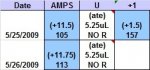
You need to indicate on your ss that you shot at +11. the method I prefer is to show it in the cell corresponding to the 'plus' hour you shot. That way I don't have to hunt the information down elsewhere or risk missing it it altogether
Here is an example from BKs ss:


Also remember the next shot will be 12 hours later. So if you shot at 7pm, 7am will be the next shot.
 

Attachments

  • Early shot.jpg
    Early shot.jpg
    16.4 KB · Views: 210
Sandy and Black Kitty said:
Hi there :cool:

Nice to see it's been a calmer day in Websters world today. It wont always be this intense

I too like Jills suggestion to test and shoot early if the BG numbers were on the rise.

The universe somehow spared us ever having to give BK subcutaneous fluids so I have nothing to add to all the fabulous, nuanced,information provided by those wise in the ways of sub-qs.

However all the conversation about learning to do it reminded me of BKs diagnosis and how I learned to shoot insulin.
My intention was to get BK, a sweet and friendly 5 yr old intact male street cat at the time,to a vet since he was clearly deteriorating and we were entering the heart of winter. No good deed goes unpunished. . .

He tested positive for FIV, had an open bite wound on one if his ears, a URI and conjunctivitis ohmygod_smile .
The next morning the vet calls about the bloodwork - the cat is diabetic .

WHAT? :shock: I never imagined a cat or any animal for that matter being diabetic.
So the vet writes an RX for Lantus (the one really good thing that vet did) and a few days later I go back to learn to shoot. First he had me pull the proper dose into the syringe (using saline). Then, he disappears for a minute, returning with his (none too happy) shopcat for me to try my hand at shooting!
It was the I realized - I had entered the Twilight Zone. . . .

A question you asked early yesterday , that I waited to answer since you had a whole lot of new information flying at you-
Websterthecat said:
So what if he is crashing hard while we sleep? Aside from staying up all night feeding his possible free fall every night what am I to do??
There will be nights that demand your close attention and there will be nights that wont.
Use a 5 compartment programmable timed feeder . It was a life saver for me.

Once I took BK in and got the dx's, it was clear how critical it was for him to remain inside. But we already had an indoor/outdoor cat - it would be impossible to ensure BK didn't get out and impossible to keep her in. Fortunately we have a small guest cottage out back, with a vestibule at the main entry (2 doors for a kitty to try and slip by) I worked from home and my office was in the cottage. It was the perfect solution! Except... for the overnights. I didn't know at the time but some very busy overnights were in our future.

Our methodical search for the answer to why BK needed so much insulin resulted with him testing positive for IAA, a rare condition causing insulin resistance; in his case extreme. To try and keep him safe required high doses of 2 different insulins (Lantus/slow acting and R/fast acting) During one phase I shot one or the other every 6 hours - around the clock - for 2 months - sleeping on a futon in my office. Although I was well into the dance before I got the feeder, it made all the difference in the world. I was able to sleep in the main house in my bed once again, confident that BK had food to be able to manage his own numbers if needed.
I did spot a problem early on with timings - I had no way to know if BK ate his +8 meal at +8 or later, possibly after +10 - which could skew the AMPS with a food spike. So, I programmed the feeder to deploy at +10. If he didn't eat +8 meal by +10 it became unavailable. Also, so as not to be cruel by having him run to the feeder only to face an empty compartment, I placed a nice chunk of kitty crack there :cool:

:!: Important housekeeping item (just caught my eye)
You need to indicate on your ss that you shot at +11. the method I prefer is to show it in the cell corresponding to the 'plus' hour you shot. That way I don't have to hunt the information down elsewhere or risk missing it it altogether
Here is an example from BKs ss:


Also remember the next shot will be 12 hours later. So if you shot at 7pm, 7am will be the next shot.

Wow. What a story. It sounds like BK had lots of unknown issues in the beginning. Insulin every 6 hours for 2 months! Now that's dedication!

I actually purchased a 5 compartment feeder a couple weeks ago. I'm using it everyday to feed him 4 small meals on the hour starting at shot time. Lately, he's been served 1.5oz,1.5oz,0.5oz,0.5oz, @ PS,+1,+2,+3 respectively.

Are you suggesting perhaps a 5th feeding at +4 or maybe +8 instead? I'll have to shave some food from his ps or +1 in order to do this.

Thanks for pointing out the issue with my spreadsheet. I believe I have it fixed correctly. How does it look?
 
Status
Not open for further replies.
Back
Top