New Member (30 March 2026) Exhausted, stressed and overwhelmed with conflicting information online

Schwarmen

Member Since 2026
Greetings from China, from two exhausted cat parents.

****Too Long, don't want to read: Diagnosed 3 months ago.
Questions: 1. Is it more painful to prick the paw pads? 2. How do I get my cat to not hate testing without giving him snacks? (they shoot up his blood sugar). 3. Will we ever be able to choose an appropriate dosage if his appetite never becomes totally stable? 4. Is the needle really much better than the pen? 5. What are TR or SLGS? (google did not help)********

Our boy, Putin, was diagnosed in the beginning of January and everything has felt like an uphill battle since then. He had severe pancreatitis, a lung infection and liver damage. They were also worried he had a tumour. He was hospitalised for seven days and they had to put a tube in his nose to feed him. After he came home, we had to continue to force feed him because he would not eat. We used appetite enhancers and we encouraged him to eat by giving him whatever he liked most. When he did slowly begin to eat on his own we fed him low carb dry food because that's what he liked. He refused to eat wet food at all and this is a part of the reason it has taken us so long to even get to the point that we're at now. (We also spent a month taking care of a friend who had to have surgery).

We tried every brand of low carb wet food and every flavour but he was not interested. We tried heating it and feeding him on different surfaces or mushing it into different textures, etc. Eventually what worked for us was adding crushed freeze dry chicken onto the wet food and later we bought a low carb chicken powder (made from chicken livers). Finally we got to a point where he was eating 260-280 grams a day which is what was recommended for his weight and calorie intake needs. We also realised we had to feed him four times a day to get him to eat the right amount because he has always free grazed. Eventually we bought a machine that can open for him whenever and has icepacks to keep the food fresh. This is also helpful because his sister cannot eat his food and vice versa.

When we first brought him home we used a freestyle monitor and although the monitor itself didn't bother him much he did, after 5 weeks, develop an incredible phobia for the bandages that we used to cover it. When we did our own application of the monitor for the first time, I wanted it to be as stress free as possible for him and I stupidly decided not to use a cone. He bit me so badly that I got an infection and had to go on antibiotics. Finally, his fear of the bandages became so severe that when we were trying to readjust them at one point, he shat all over my husband. That's when we decided to give up on the monitor.

Blood testing has been a whole new drama and I am so scared of traumatising him and hurting him in any way. He hates the blood tests. We were unsuccessful with the glucose reader that we first bought because it required so much blood and would decide it wasn't enough immediately. Then my husband bought one that is designed for children and requires much less blood. Now we easily get the results each time but he still hates it. We stopped using the lancet because we realised the clicking noise was triggering him and it was beginning to make him scared of his insulin shots too, which has been the only easy part about all of this. We chose to prick him on his paw pads because he is not an easy cat and he will bite and fight if he feels scared. But now I'm starting to doubt this decision because he hates testing time. Which leads me to my first question: does it hurt more on the paw pads? Additionally I've seen people talk about giving their cat a treat with every test but in our experience treats always shoot up his blood sugar (freeze dry chicken which is supposedly low carb). This is what we use when his blood sugar is low.

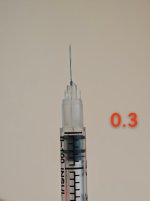
A few days ago we switched from Sanofi's Glargine pen to the Novo nordisk pen. The former had one unit as the smallest and the new pen allows us to give him 0.5. We found that no matter how we adjusted his feedings, one unit twice a day was too much but one unit a day was not enough. We were aiming to give him 0.5 twice a day with the new pen but so far we've only been giving 0.5 once a day because in the mornings his blood sugar tends to be too low for a shot. We've also noticed that his blood sugar has been much more stable on this new insulin and we have not seen any crazy high numbers like we were before but for the last three days his appetite has dipped. We've also noticed a drop in his blood sugar in the evenings after his shot. Which leads me to my third question; will we ever be able to choose an appropriate dosage if his appetite never becomes totally stable? I've heard people say that it's better to use a needle than a pen but our goal is eventually to be able to do these things alone when the other person needs to be away for whatever reason and he is not an easy boy. Is the needle really much better than the pen?

Hopefully I haven't given you the wrong impression of my Puti. He is a sweet and cuddly boy (as I type this on the couch, he is tucked under my arm) and he only lashes out when he's scared. He was badly abused before we adopted him and he was severely traumatised when he first came to us. I love him so much and I was so scared when I thought we were going to lose him. Lately I feel like I'm hanging onto a single frayed strand of rope. My husband is also really struggling and his mental health was already tenuous to begin with. We are so tired. And although we celebrate each small win, there is so much more guilt, anger and hopelessness.


EB04AC4E-BB64-45C2-8DC0-E18D4A089525_1_105_c.jpeg
 
Welcome to FDMB
Puti is adorable, and yes, we all have all been in your shoes, with every fear, stress, inadequacy when we are told our fur baby is diagnose with FD, so you are not alone, and every question and concern you have mentioned are very valid, by your description of the pen you use I assume that Puti is on Lantus? if so Lantus is a great insulin and a Depot insulin, so it is important that he has several 3-4 small meals or snacks during the day to keep the insulin in check. A diabetic cat needs to have a diet of wet can or raw foods between 0-10% carbs, so if you are feeding freeze dry chicken as a snack which you say is low carb and is what you use when his blood sugar is low,
and it hikes up the BG, then this is NOT low carbs, many people cook for their cat, boiled fish, chicken, shrimp, but some nutrients and vitamins should be added to that food for balance. Also grazing or kibbles, any dry food is not an option all dry foods contain between 20-30% carbs cats cannot digest carbs.
Most people use the ear, there is what is called the sweet spot located on the upper corner of the outer ear, once the capillaries swell from pricking, it will be much easier to draw blood, if you use the pen, maybe the noise when you prick startles him, a 30 gauge lancet is good, if you look at the tip of the lancet you will see a small curve, when you prick you prick sideways, not down, you can get a small sock fill the end with rice to make a small ball that will cup the ear, tie it, you will cup the ear with the sock to have better aim, place the back of your palm firmly soft between Puti's ears it will control head movement, have the supplies ready, (most members use a human monitor they are just as accurate) let him get close and comfortable with the supplies on his favorite spot, cuddle a bit, give a snack after, he will associate the order of test-snack quicky, there's a link below on how to test as well, with illustrations.
All cats are different and react differently to insulin, but the dose giving needs to remain the same, and trying not to skip a shot is as important, although there are exceptions, a non-diabetic cats' glucose level is between 50-120, it takes about three cycles (3 days) on the same dose to begin to see the progress of that given dose in the system, which means changing dose according to the glucose level, will be
harder to stabilize Puti, most members including myself shoot our cats while their faces are in their bowl., I hope that all the other old illnesses he previously had at first are gone. I understand what you mean about, his fear when abused, I adopted Corky from a shelter at 8-10 weeks old and who ever left him there, a Beast, I assume, hade de-clawed his front paws, , so when he got home he went straight under the bed, I did not see him for almost a month, but he was still shy when I would walk past him he would move away, 10 years later, he began drinking a lot of water he had an obsession with his water bowl, and I noticed once I walked by him and he did not move, I walked towards him, the same, I picked him up he let me, he had just been to the vet the month before for his rabies shot, he was weighing 16.5, he is a very large cat and in my arms he felt like a feather, I weight him and he was 8.5lbs I did not notice, and I thought he was just playing with his water, straight to the emergency, his glucose level was 650, 4 years later after I found this web site 3 months after diagnosed, he is as healthy as he can be, and tightly regulated, following all the suggestions and advice from all the amazing members blindly. in this Forum, we are very numbers oriented so we would like you to create your signature so this way we do not have to ask the same questions when you post, as well as Puti's spreadsheet, links below, also a link to a wet food calculator, you use the nutrient %s from the label, we are looking for dry carb matter , We are here for you, keep posting, we are here for you. And I want to point out that you are doing GREAT! and confusion is normal, there's a lot of information to absorb, but it gets easier, if I missed anything please keep posting 🤗

Sticky - New? How You Can Help Us Help You!
https://felinediabetes.com/FDMB/threads/how-to-create-a-spreadsheet.241706/
How to "Shoot" Your Cat
 
I don't follow either but here is the translation to your last question, SLGS: Start Low, Go Slow method for dosing that was developed by members of FDMB
TR: Tight Regulation. TR initially referred to the Tight Regulation Protocol for Lantus and Levemir that was developed and later published by Roomp & Rand.
I forgot the carb calculator, sending several models pick the most comfortable for you, I use the first one, please remember we are looking for DRY MATTER CARB

Cat Food Nutrition Calculator | Elizabeth C Scheyder
Cat Food Database
@Sienne and Gabby (GA)
could you please explain to little Putin's mom the difference between SLGS and TR better than I did? TY
 
Last edited:
Welcome to FDMB
Puti is adorable, and yes, we all have all been in your shoes, with every fear, stress, inadequacy when we are told our fur baby is diagnose with FD, so you are not alone, and every question and concern you have mentioned are very valid, by your description of the pen you use I assume that Puti is on Lantus? if so Lantus is a great insulin and a Depot insulin, so it is important that he has several 3-4 small meals or snacks during the day to keep the insulin in check. A diabetic cat needs to have a diet of wet can or raw foods between 0-10% carbs, so if you are feeding freeze dry chicken as a snack which you say is low carb and is what you use when his blood sugar is low,
and it hikes up the BG, then this is NOT low carbs, many people cook for their cat, boiled fish, chicken, shrimp, but some nutrients and vitamins should be added to that food for balance. Also grazing or kibbles, any dry food is not an option all dry foods contain between 20-30% carbs cats cannot digest carbs.
Most people use the ear, there is what is called the sweet spot located on the upper corner of the outer ear, once the capillaries swell from pricking, it will be much easier to draw blood, if you use the pen, maybe the noise when you prick startles him, a 30 gauge lancet is good, if you look at the tip of the lancet you will see a small curve, when you prick you prick sideways, not down, you can get a small sock fill the end with rice to make a small ball that will cup the ear, tie it, you will cup the ear with the sock to have better aim, place the back of your palm firmly soft between Puti's ears it will control head movement, have the supplies ready, (most members use a human monitor they are just as accurate) let him get close and comfortable with the supplies on his favorite spot, cuddle a bit, give a snack after, he will associate the order of test-snack quicky, there's a link below on how to test as well, with illustrations.
All cats are different and react differently to insulin, but the dose giving needs to remain the same, and trying not to skip a shot is as important, although there are exceptions, a non-diabetic cats' glucose level is between 50-120, it takes about three cycles (3 days) on the same dose to begin to see the progress of that given dose in the system, which means changing dose according to the glucose level, will be
harder to stabilize Puti, most members including myself shoot our cats while their faces are in their bowl., I hope that all the other old illnesses he previously had at first are gone. I understand what you mean about, his fear when abused, I adopted Corky from a shelter at 8-10 weeks old and who ever left him there, a Beast, I assume, hade de-clawed his front paws, , so when he got home he went straight under the bed, I did not see him for almost a month, but he was still shy when I would walk past him he would move away, 10 years later, he began drinking a lot of water he had an obsession with his water bowl, and I noticed once I walked by him and he did not move, I walked towards him, the same, I picked him up he let me, he had just been to the vet the month before for his rabies shot, he was weighing 16.5, he is a very large cat and in my arms he felt like a feather, I weight him and he was 8.5lbs I did not notice, and I thought he was just playing with his water, straight to the emergency, his glucose level was 650, 4 years later after I found this web site 3 months after diagnosed, he is as healthy as he can be, and tightly regulated, following all the suggestions and advice from all the amazing members blindly. in this Forum, we are very numbers oriented so we would like you to create your signature so this way we do not have to ask the same questions when you post, as well as Puti's spreadsheet, links below, also a link to a wet food calculator, you use the nutrient %s from the label, we are looking for dry carb matter , We are here for you, keep posting, we are here for you. And I want to point out that you are doing GREAT! and confusion is normal, there's a lot of information to absorb, but it gets easier, if I missed anything please keep posting 🤗

Sticky - New? How You Can Help Us Help You!
https://felinediabetes.com/FDMB/threads/how-to-create-a-spreadsheet.241706/
How to "Shoot" Your Cat
Hi thank you so much for replying. It's really nice to hear about similar experiences and know we're not alone. Putin also wouldn't come near us for a month when he first came to live with us. I'm so glad Corky has you!

These were my questions and for clarity, none of them were answered and I apologise if I wasn't clear: 1. Is it more painful to prick the paw pads? 2. How do I get my cat to not hate testing without giving him snacks? (they shoot up his blood sugar). 3. Will we ever be able to choose an appropriate dosage if his appetite never becomes totally stable? 4. Is the needle really much better than the pen? 5. What are TR or SLGS? (google did not help)

I don't think I explained myself well, so let me just clarify some things. He is not on lantus (the insulin he was on before was similar to lantus but it did not work well for him). He is on Ryzodeg (it's closer to Levemir according to my husband) which is very commonly used for diabetic cats here in China. He does eat four meals a day but we allow him to come back to them at any time (hence the machine with ice packs that opens for his face) but he is not allowed snacks unless his blood sugar is low. As for the freeze dry chicken, our vet actually told us it's low carb but it still brings up his blood sugar. So maybe she was wrong. However, boiled chicken also spikes his blood sugar so we also cannot give him that. As far as I know, boiled chicken doesn't have carbs. Hence my question about what we can possibly do about making blood testing happier when we cannot give him treats.

Putin is never allowed dry food, he only eats wet food and the wet food he eats is a very low carb German brand (lower carb content than Fancy Feast).

I know that most people use the ear. We were anxious about using the ear because he is a biter and also the ear seems more delicate. But I'm just curious if anyone knows which option is less painful. Additionally we can not give him a snack after testing so testing is becoming something that he really hates. We think we're probably going to try put another monitor on him tomorrow because blood testing has been going really badly and we are trying to do curve testing every day because he's on a new insulin and even though it's a lower dose, his blood sugar keeps dropping at night. I definitely want to try the ear test again if there's a general consensus that is less painful. I just want what's best for him.

As for the reason we skipped his morning shots, that was intentional because his blood sugar was too low for a shot. He has not been eating as much as before in the last 3 days. Hence my question about whether we will ever be able to choose the appropriate dose when his appetite fluctuates so much.

I have created my signature and my spreadsheet. However my spreadsheet does not have a lot of data at the moment because we've only just started him on this new course. I thought that the old data will probably be irrelevant because it is vastly different to the way he is currently reacting to the new insulin.
 
1- it’s your choice and how Putin takes it I have always done the ear, personally I would think that with time it would hurt the paw, I can’t be sure, many member do the paw
2- giving a snack prior to testing can alter the BG level, try testing on his favorite spot, give the low carb treat several times on that same spot when is not time for testing, then on testing time show the snack only, test give snack, is a matter of association, test, snack, try different scenarios until one works for the both of you.
3- as long as he eats a little bit you can shoot, there’s a medication to stimulate appetite I don’t know if in China is available called MIRATZ, is a small tube that goes a long way, a tip of a pin amount rubbed on the inner curve of the inside of the ear every day for about a week exchanging eats everyday, is miraculous by the second application he will devaour his food.
4- I have never used the pen, but reading other members posts that use it and have trouble testing, when switching to the lancet the cat allows testing, cats have very sensitive hearing, the sound of the pen can stress them, they are also very sensitive to stress, you stress, they stress
5-SLGs Is dosing in slow, small doses
TR is the protocol for Lantus ( tight regulation)
I
will tag another member to explain the true explanation of both, since I have never used either
I see that you are on a similar insulin to Lantus,
 
Fortunately he is not stressed about his shot at all since we stopped using the lancet. When we give him his shot we talk to him and make clicking noises to distract him and he doesn't even seem to feel it. It's just the glucose test that he hates and we are trying to figure out how to make it less stressful for him because we cannot give him snacks.

The low carb snacks we have tried spike his blood sugar. Even boiled chicken spiked his blood sugar. The only thing that doesn't spike his blood sugar is his wet food. I have tried catnip in place of a treat but when he's really mad he doesn't care for it. So I really don't know how to make glucose testing less stressful for him. For example, last night we played relaxing music, I stroked him and talked to him soothingly but when we did the blood test he still hissed at us and had to be held tightly because he started to fight us. We also decided to try do his ear last night but he would not stay still at all and kept flinching his ear and jerking his head. He cannot just be tested casually while he's relaxing because he knows exactly what we're doing and he will run away or bite us before we can get to the blood. We don't have any aversion to blood or doing what is necessary. We approach him calmly. Our only concern is that he really hates it and I'm starting to worry that the testing is causing anxiety which also affects his appetite.

We have tried the appetite stimulater before and it didn't seem to help at all but I'll definitely try again.

I just feel like we're failing him but we're just going to put on another freestyle monitor today and see how that goes.

Thank you again.
 
No you’re not failing him I thought the same and so did all those that love our cats, is a trial and error, and soon when you least expect it he will be a little lamb at your feet, thiscIS as new to him as it is for you, you are doing great, try the tricks I posted earlier on how to hold his head and the rice sock thingy it gets easier
 
Hello! I’m also a cat parent from China, caring for a diabetic cat. I recently managed to get my own cat off insulin, with the help of a nonprofit group in China that specializes in diabetic cats. They’ve been supporting diabetic cats in the country for years. I joined this forum to learn from international experiences too, hoping to help my cat stay in remission longer.

Here are some general tips for diabetic cats—hoping they might be helpful for you and your lovely cat.

*Just a quick note: I saw you mentioned your cat might have other conditions like pancreatitis—definitely recommend consulting a vet for a full assessment.

  1. Blood sampling: The Terumo lancing device and lancets are a top pick among diabetic cat caregivers in mainland China—they’re known for being gentle on cats. Usually, settings 1–3 work well.
  2. Ear sampling tips: Start by gently massaging the ear you’re planning to prick, to help the vein along the edge plump up a little (on lighter-furred cats, you can actually see it). If it’s hard to spot, try using your phone light or a small flashlight.
  3. Use erythromycin ointment: Once the ear is ready, apply a tiny bit to the spot where you’ll sample. Gently brush the fur in the direction it grows—this helps keep the blood from being absorbed by the fur.
  4. Be quick and steady with the prick, and test the blood right away with your meter.
  5. Connect sampling with something positive: Here’s what works for me: get your cat’s meal ready, but cover it or keep it out of sight so they know food is coming. Then, massage the ear and take the sample (following steps 2–4). Right after, clean their ear and serve the meal.
Of course, the sampling doesn’t always go smoothly. Try not to get frustrated—your cat will pick up on your mood. Give them some gentle neck rubs or strokes, and wait a bit before trying again. A stressed cat may also show higher blood sugar. And remember to alternate ears—don’t always sample from the same one.

  1. About continuous glucose monitors (like the Freestyle Libre): These are great for watching trends and seeing the curve, but please don’t use the numbers from them to decide insulin doses. From what many caregivers in China have experienced, the accuracy of the Libre sensors purchased here can be quite unreliable.
  2. Feeding: Experts in mainland China recommend making sure your cat gets enough food (but not too much)—consistent, scheduled meals are key. A common approach is feeding 200g to 240g of high-quality wet food (no dry food), split into about 8 meals (every 3 hours, around 30g each). If your cat isn’t eating enough, syringe feeding might be necessary. The pros stress that giving insulin without enough food can be very risky, so it’s important to ensure they eat adequately (just enough, not too much—overeating can strain the pancreas).
  3. Multi-cat households / treats: For diabetic cats, experts here suggest feeding exclusively high-quality canned food (no dry food), and avoiding any treats, as even small amounts of carbs can raise blood sugar. Home-cooked meals aren’t usually recommended either, due to potential nutritional imbalances or inconsistent ingredients that may affect blood sugar stability. If you have other cats, you can either feed everyone on the same schedule (sometimes called “boot camp style”) or separate them during meals. During insulin treatment, any dry food or extra carbs can interfere with tracking blood sugar curves, pancreas recovery, and overall stability.
I noticed in your first post that your cat may also have pancreatitis or liver issues—if that’s the case, it’s probably best to have an experienced vet involved to manage the conditions together.

I’m from China, so if you need any help navigating things here, feel free to reach out.

Wishing all cats out there a happy, healthy life—and a big thank you to every kind soul who cares for these little ones.
 
Thank you Maggie for all your tips, greatly appreciate it, we do recommend raw foods as long as the necessary nutrients and vitamins are added, we have pet web sites that supply these,, your recommendations on tips testing diet, schedule weather for single and multiple cats are right on point, and to know that even on the other side of the world should we say, we also have dedicated non-profits for Feline Diabetes in need , and Congratulations on your Furr baby OTJ! (Off the juice);)
 
FYI you don't use an insulin pen the way a Human diabetic does. The pen only doses in whole units. Many cats need smaller units than that. You can stick an insulin syringe right into the rubber stopper of the pen and draw out insulin that way. U100 3/10 cc with half unit markings are the ideal syringes to use. There are pictures of how to do this here: Sticky - Insulin Care & Syringe Info: Proper Handling, Drawing, Fine Dosing

Ryzodeg is not an insulin used by anyone on FDMB uses. Most people use Lantus or ProZinc, maybe a few still using Vetsulin / Caninsulin because other insulins are not available where they live.

Maybe some of the experts know more about Ryzodeg. @Wendy&Neko @Sienne and Gabby (GA) @tiffmaxee
 
Thank you Maggie for all your tips, greatly appreciate it, we do recommend raw foods as long as the necessary nutrients and vitamins are added, we have pet web sites that supply these,, your recommendations on tips testing diet, schedule weather for single and multiple cats are right on point, and to know that even on the other side of the world should we say, we also have dedicated non-profits for Feline Diabetes in need , and Congratulations on your Furr baby OTJ! (Off the juice);)
thank you Corky for you kind words! I think the Chinese FDM groups (started around 2017) have learned much from International group like here. I see consistence in principles and tips given to caregivers. The Chinese FDM group is consisted of caregivers nationwide and also professionals (vet mostly). In big cities like Shanghai, Beijing, Guangzhou, caregivers help each other to start the home treatment for cats, especially if anyone needs anything urgent, easily solved by a quick delivery. I have received muuuuch love and support, and I want to help people too. I am much moved and touched by all these kind hearts, in China and globally, though we are limited by locations and there are differences in tips given to caregivers, there are much in common = gold hearts!
 
FYI you don't use an insulin pen the way a Human diabetic does. The pen only doses in whole units. Many cats need smaller units than that. You can stick an insulin syringe right into the rubber stopper of the pen and draw out insulin that way. U100 3/10 cc with half unit markings are the ideal syringes to use. There are pictures of how to do this here: Sticky - Insulin Care & Syringe Info: Proper Handling, Drawing, Fine Dosing

Ryzodeg is not an insulin used by anyone on FDMB uses. Most people use Lantus or ProZinc, maybe a few still using Vetsulin / Caninsulin because other insulins are not available where they live.

Maybe some of the experts know more about Ryzodeg. @Wendy&Neko @Sienne and Gabby (GA) @tiffmaxee
Yes! ”U100 3/10 cc with half unit markings are the ideal syringes to use.” Is this right?
If so, and if @Schwarmen is in Shanghai, I can deliver some to Schwarmen.
 

Attachments

  • 微信图片_20260401093422_338_16.jpg
    微信图片_20260401093422_338_16.jpg
    50.4 KB · Views: 2
thank you Corky for you kind words! I think the Chinese FDM groups (started around 2017) have learned much from International group like here. I see consistence in principles and tips given to caregivers. The Chinese FDM group is consisted of caregivers nationwide and also professionals (vet mostly). In big cities like Shanghai, Beijing, Guangzhou, caregivers help each other to start the home treatment for cats, especially if anyone needs anything urgent, easily solved by a quick delivery. I have received muuuuch love and support, and I want to help people too. I am much moved and touched by all these kind hearts, in China and globally, though we are limited by locations and there are differences in tips given to caregivers, there are much in common = gold hearts!
I feel the same way this Forum saved my Corky’s life, so I am giving back was was so freely given to me with much love ❤️
 
I’m curious, is there a Chinese equivalent of this board? That’s great that people help out locally. I was hoping that could happen with the addition of the members map on this forum.
sorry I might not make it clear in my previous post. In China mainland, caregivers and vets as volunteers helping DM cats, have made some "groups" in instant-message apps (you may heard Red/the RED, and Wechat). Strict access control in place and only volunteers and DM cat caregivers could join (after quick assessment by providing vet clinic reports). In these "chat groups", professionals have sorted useful information and Guide in "group documents section" (like a BBS). More convenient is that, after a caregiver is ready with all resources for home treatment for DM cat, professionals provide instant reply (yes from 5am to 1am everyday) to caregivers for all DM consultations, including real time blood glucose test result and its corresponding insulin injection dose. For early stages of DM cats, around 60% cats could reach remission within 3 months. There are many similarity is that, caregiver also take strict notes in their spreads/table, food, insulin type (in China we use Degludec), scheduled meal and quota. Professionals are quick strict in giving advice to caregivers and also strict in supervising caregivers (which is good). In some cases, some cats also have other conditions (kidney disease,pancreatitis, Cushing's syndrome), vet volunteers (most of them are top vets in China) could quicky respond with accurate advice of which vet to see in which city, even remotely advising vet in Clinic how to treat complicated cases (many China clinic vets are lack of experience related to DM......) . I would say, it is an incredible work all these volunteers are doing everyday. They are not full time volunteers, they have their full time job. They do "shifts" so in each timeslot caregivers would have timely feedback.
 
Wow, that sounds like an incredible resource! Those veterinarians are doing a great thing volunteering their help like that. Happy to hear some of the knowledge is similar to what’s found here too.
 
Hello! I’m also a cat parent from China, caring for a diabetic cat. I recently managed to get my own cat off insulin, with the help of a nonprofit group in China that specializes in diabetic cats. They’ve been supporting diabetic cats in the country for years. I joined this forum to learn from international experiences too, hoping to help my cat stay in remission longer.

Here are some general tips for diabetic cats—hoping they might be helpful for you and your lovely cat.

*Just a quick note: I saw you mentioned your cat might have other conditions like pancreatitis—definitely recommend consulting a vet for a full assessment.

  1. Blood sampling: The Terumo lancing device and lancets are a top pick among diabetic cat caregivers in mainland China—they’re known for being gentle on cats. Usually, settings 1–3 work well.
  2. Ear sampling tips: Start by gently massaging the ear you’re planning to prick, to help the vein along the edge plump up a little (on lighter-furred cats, you can actually see it). If it’s hard to spot, try using your phone light or a small flashlight.
  3. Use erythromycin ointment: Once the ear is ready, apply a tiny bit to the spot where you’ll sample. Gently brush the fur in the direction it grows—this helps keep the blood from being absorbed by the fur.
  4. Be quick and steady with the prick, and test the blood right away with your meter.
  5. Connect sampling with something positive: Here’s what works for me: get your cat’s meal ready, but cover it or keep it out of sight so they know food is coming. Then, massage the ear and take the sample (following steps 2–4). Right after, clean their ear and serve the meal.
Of course, the sampling doesn’t always go smoothly. Try not to get frustrated—your cat will pick up on your mood. Give them some gentle neck rubs or strokes, and wait a bit before trying again. A stressed cat may also show higher blood sugar. And remember to alternate ears—don’t always sample from the same one.

  1. About continuous glucose monitors (like the Freestyle Libre): These are great for watching trends and seeing the curve, but please don’t use the numbers from them to decide insulin doses. From what many caregivers in China have experienced, the accuracy of the Libre sensors purchased here can be quite unreliable.
  2. Feeding: Experts in mainland China recommend making sure your cat gets enough food (but not too much)—consistent, scheduled meals are key. A common approach is feeding 200g to 240g of high-quality wet food (no dry food), split into about 8 meals (every 3 hours, around 30g each). If your cat isn’t eating enough, syringe feeding might be necessary. The pros stress that giving insulin without enough food can be very risky, so it’s important to ensure they eat adequately (just enough, not too much—overeating can strain the pancreas).
  3. Multi-cat households / treats: For diabetic cats, experts here suggest feeding exclusively high-quality canned food (no dry food), and avoiding any treats, as even small amounts of carbs can raise blood sugar. Home-cooked meals aren’t usually recommended either, due to potential nutritional imbalances or inconsistent ingredients that may affect blood sugar stability. If you have other cats, you can either feed everyone on the same schedule (sometimes called “boot camp style”) or separate them during meals. During insulin treatment, any dry food or extra carbs can interfere with tracking blood sugar curves, pancreas recovery, and overall stability.
I noticed in your first post that your cat may also have pancreatitis or liver issues—if that’s the case, it’s probably best to have an experienced vet involved to manage the conditions together.

I’m from China, so if you need any help navigating things here, feel free to reach out.

Wishing all cats out there a happy, healthy life—and a big thank you to every kind soul who cares for these little ones.
Hi thank you so much for these tips. As I mentioned before he was
Hello! I’m also a cat parent from China, caring for a diabetic cat. I recently managed to get my own cat off insulin, with the help of a nonprofit group in China that specializes in diabetic cats. They’ve been supporting diabetic cats in the country for years. I joined this forum to learn from international experiences too, hoping to help my cat stay in remission longer.

Here are some general tips for diabetic cats—hoping they might be helpful for you and your lovely cat.

*Just a quick note: I saw you mentioned your cat might have other conditions like pancreatitis—definitely recommend consulting a vet for a full assessment.

  1. Blood sampling: The Terumo lancing device and lancets are a top pick among diabetic cat caregivers in mainland China—they’re known for being gentle on cats. Usually, settings 1–3 work well.
  2. Ear sampling tips: Start by gently massaging the ear you’re planning to prick, to help the vein along the edge plump up a little (on lighter-furred cats, you can actually see it). If it’s hard to spot, try using your phone light or a small flashlight.
  3. Use erythromycin ointment: Once the ear is ready, apply a tiny bit to the spot where you’ll sample. Gently brush the fur in the direction it grows—this helps keep the blood from being absorbed by the fur.
  4. Be quick and steady with the prick, and test the blood right away with your meter.
  5. Connect sampling with something positive: Here’s what works for me: get your cat’s meal ready, but cover it or keep it out of sight so they know food is coming. Then, massage the ear and take the sample (following steps 2–4). Right after, clean their ear and serve the meal.
Of course, the sampling doesn’t always go smoothly. Try not to get frustrated—your cat will pick up on your mood. Give them some gentle neck rubs or strokes, and wait a bit before trying again. A stressed cat may also show higher blood sugar. And remember to alternate ears—don’t always sample from the same one.

  1. About continuous glucose monitors (like the Freestyle Libre): These are great for watching trends and seeing the curve, but please don’t use the numbers from them to decide insulin doses. From what many caregivers in China have experienced, the accuracy of the Libre sensors purchased here can be quite unreliable.
  2. Feeding: Experts in mainland China recommend making sure your cat gets enough food (but not too much)—consistent, scheduled meals are key. A common approach is feeding 200g to 240g of high-quality wet food (no dry food), split into about 8 meals (every 3 hours, around 30g each). If your cat isn’t eating enough, syringe feeding might be necessary. The pros stress that giving insulin without enough food can be very risky, so it’s important to ensure they eat adequately (just enough, not too much—overeating can strain the pancreas).
  3. Multi-cat households / treats: For diabetic cats, experts here suggest feeding exclusively high-quality canned food (no dry food), and avoiding any treats, as even small amounts of carbs can raise blood sugar. Home-cooked meals aren’t usually recommended either, due to potential nutritional imbalances or inconsistent ingredients that may affect blood sugar stability. If you have other cats, you can either feed everyone on the same schedule (sometimes called “boot camp style”) or separate them during meals. During insulin treatment, any dry food or extra carbs can interfere with tracking blood sugar curves, pancreas recovery, and overall stability.
I noticed in your first post that your cat may also have pancreatitis or liver issues—if that’s the case, it’s probably best to have an experienced vet involved to manage the conditions together.

I’m from China, so if you need any help navigating things here, feel free to reach out.

Wishing all cats out there a happy, healthy life—and a big thank you to every kind soul who cares for these little ones.

Hello! I’m also a cat parent from China, caring for a diabetic cat. I recently managed to get my own cat off insulin, with the help of a nonprofit group in China that specializes in diabetic cats. They’ve been supporting diabetic cats in the country for years. I joined this forum to learn from international experiences too, hoping to help my cat stay in remission longer.

Here are some general tips for diabetic cats—hoping they might be helpful for you and your lovely cat.

*Just a quick note: I saw you mentioned your cat might have other conditions like pancreatitis—definitely recommend consulting a vet for a full assessment.

  1. Blood sampling: The Terumo lancing device and lancets are a top pick among diabetic cat caregivers in mainland China—they’re known for being gentle on cats. Usually, settings 1–3 work well.
  2. Ear sampling tips: Start by gently massaging the ear you’re planning to prick, to help the vein along the edge plump up a little (on lighter-furred cats, you can actually see it). If it’s hard to spot, try using your phone light or a small flashlight.
  3. Use erythromycin ointment: Once the ear is ready, apply a tiny bit to the spot where you’ll sample. Gently brush the fur in the direction it grows—this helps keep the blood from being absorbed by the fur.
  4. Be quick and steady with the prick, and test the blood right away with your meter.
  5. Connect sampling with something positive: Here’s what works for me: get your cat’s meal ready, but cover it or keep it out of sight so they know food is coming. Then, massage the ear and take the sample (following steps 2–4). Right after, clean their ear and serve the meal.
Of course, the sampling doesn’t always go smoothly. Try not to get frustrated—your cat will pick up on your mood. Give them some gentle neck rubs or strokes, and wait a bit before trying again. A stressed cat may also show higher blood sugar. And remember to alternate ears—don’t always sample from the same one.

  1. About continuous glucose monitors (like the Freestyle Libre): These are great for watching trends and seeing the curve, but please don’t use the numbers from them to decide insulin doses. From what many caregivers in China have experienced, the accuracy of the Libre sensors purchased here can be quite unreliable.
  2. Feeding: Experts in mainland China recommend making sure your cat gets enough food (but not too much)—consistent, scheduled meals are key. A common approach is feeding 200g to 240g of high-quality wet food (no dry food), split into about 8 meals (every 3 hours, around 30g each). If your cat isn’t eating enough, syringe feeding might be necessary. The pros stress that giving insulin without enough food can be very risky, so it’s important to ensure they eat adequately (just enough, not too much—overeating can strain the pancreas).
  3. Multi-cat households / treats: For diabetic cats, experts here suggest feeding exclusively high-quality canned food (no dry food), and avoiding any treats, as even small amounts of carbs can raise blood sugar. Home-cooked meals aren’t usually recommended either, due to potential nutritional imbalances or inconsistent ingredients that may affect blood sugar stability. If you have other cats, you can either feed everyone on the same schedule (sometimes called “boot camp style”) or separate them during meals. During insulin treatment, any dry food or extra carbs can interfere with tracking blood sugar curves, pancreas recovery, and overall stability.
I noticed in your first post that your cat may also have pancreatitis or liver issues—if that’s the case, it’s probably best to have an experienced vet involved to manage the conditions together.

I’m from China, so if you need any help navigating things here, feel free to reach out.

Wishing all cats out there a happy, healthy life—and a big thank you to every kind soul who cares for these little ones.
Thank you so much for all these tips. Putin did have pancreatitis and liver damaged but he was hospitalised for a week and treated for those problems. He is completely fine now other than the diabetes and his pre-existing lung problems. Our vet is amazing and they even made a support wechat group for us when we first took him home. They also taught us how to administer his insulin with the pen and how to put on the monitor.

I have a follow up question about the Libre. If they cannot be used to decide on dosage and they are very inaccurate then what use are they at all?

We did try the lancet and while it worked fairly well we had to give up on using it because he really did not like the clicking noise. We just decided to do his pricks by hand.

We feed both our cats the exact same food now and there is no more dry food in the house (except for his dry chicken for low glucose emergencies).

We put a new monitor on him yesterday because the blood testing is getting steadily worse and he is becoming angrier each time. We have followed all the advice we can regarding making it a peaceful experience but he is not motivated by food at the moment because his appetite has dropped again and obviously we cannot motivate him with snacks because they spike his blood sugar. We're going to try a different flavour and see if we can get him to eat more with less encouragement.
 
FYI you don't use an insulin pen the way a Human diabetic does. The pen only doses in whole units. Many cats need smaller units than that. You can stick an insulin syringe right into the rubber stopper of the pen and draw out insulin that way. U100 3/10 cc with half unit markings are the ideal syringes to use. There are pictures of how to do this here: Sticky - Insulin Care & Syringe Info: Proper Handling, Drawing, Fine Dosing

Ryzodeg is not an insulin used by anyone on FDMB uses. Most people use Lantus or ProZinc, maybe a few still using Vetsulin / Caninsulin because other insulins are not available where they live.

Maybe some of the experts know more about Ryzodeg. @Wendy&Neko @Sienne and Gabby (GA) @tiffmaxee
Hi there. The pen we've just bought has half doses. That's why we switched from the previous one to the current one.
 
sorry I might not make it clear in my previous post. In China mainland, caregivers and vets as volunteers helping DM cats, have made some "groups" in instant-message apps (you may heard Red/the RED, and Wechat). Strict access control in place and only volunteers and DM cat caregivers could join (after quick assessment by providing vet clinic reports). In these "chat groups", professionals have sorted useful information and Guide in "group documents section" (like a BBS). More convenient is that, after a caregiver is ready with all resources for home treatment for DM cat, professionals provide instant reply (yes from 5am to 1am everyday) to caregivers for all DM consultations, including real time blood glucose test result and its corresponding insulin injection dose. For early stages of DM cats, around 60% cats could reach remission within 3 months. There are many similarity is that, caregiver also take strict notes in their spreads/table, food, insulin type (in China we use Degludec), scheduled meal and quota. Professionals are quick strict in giving advice to caregivers and also strict in supervising caregivers (which is good). In some cases, some cats also have other conditions (kidney disease,pancreatitis, Cushing's syndrome), vet volunteers (most of them are top vets in China) could quicky respond with accurate advice of which vet to see in which city, even remotely advising vet in Clinic how to treat complicated cases (many China clinic vets are lack of experience related to DM......) . I would say, it is an incredible work all these volunteers are doing everyday. They are not full time volunteers, they have their full time job. They do "shifts" so in each timeslot caregivers would have timely feedback.
How can I join the support groups in China? By the way I'm based in Chengdu.
 
It is great that Putin has an excellent and caring vet, and all other conditions are good except DM!

Libre is used for watch the blood glucose curve mainly, but when to give insulin, Chinese vets must check the readings of glucometer and request us to provide the picture of the monitor. It happens that some caregivers gave their cats insult based on Libre (or other brands) only and this caused life risks to cats......
If you are in Shanghai, the best Vet clinic is Blue Stone (蓝石).
Hi thank you so much for these tips. As I mentioned before he was


Thank you so much for all these tips. Putin did have pancreatitis and liver damaged but he was hospitalised for a week and treated for those problems. He is completely fine now other than the diabetes and his pre-existing lung problems. Our vet is amazing and they even made a support wechat group for us when we first took him home. They also taught us how to administer his insulin with the pen and how to put on the monitor.

I have a follow up question about the Libre. If they cannot be used to decide on dosage and they are very inaccurate then what use are they at all?

We did try the lancet and while it worked fairly well we had to give up on using it because he really did not like the clicking noise. We just decided to do his pricks by hand.

We feed both our cats the exact same food now and there is no more dry food in the house (except for his dry chicken for low glucose emergencies).

We put a new monitor on him yesterday because the blood testing is getting steadily worse and he is becoming angrier each time. We have followed all the advice we can regarding making it a peaceful experience but he is not motivated by food at the moment because his appetite has dropped again and obviously we cannot motivate him with snacks because they spike his blood sugar. We're going to try a different flavour and see if we can get him to eat more with less encouragement.
 
The Chinese groups only works in Red (for qualification assessment) and provide support by wechat. All work are in Chinese (including those guides)? Is that okay for you? Do you have someone at home read Chinese? Those vets in wechat group only probably only read Chinese......If language is not an issue, try to search a user 猫与星 in Red.
How can I join the support groups in China? By the way I'm based in Chengdu.
 
I can help with language issue if you need, do not hesitate. my wechat is beibeiz1024. I just talked with the vets in the group and some of them are exactly based in CHENGDU!
 
Hi Carmen, the attached is a Chinese summary of Putin's information for Chinese vets or volunteers just in case you will need to communicate with any local helpers.
I made it based on your information provided in this post. It also includes the screenshots of auto translation (Chinese) of some key information of Putin you said in this post.
Hope it may help to save some efforts in communication :)
I wanted to upload the word format but it seems word format did not work......
 

Attachments

Back
Top