
Adequate hydration is one of the most overlooked aspects of feline care. Caregivers on the Feline Diabetes Message Board (FDMB) frequently notice that some cats drink very little from traditional water bowls, particularly cats eating dry food or when managing other chronic conditions. Water fountains are often suggested as an option because some cats can be more interested in moving water, but caregiver experience shows that results vary widely depending on the cat, the fountain design, and how it is introduced.
This article reflects caregiver observations rather than a true research study. It focuses on what caregivers report actually works in daily life, what tends to become frustrating or unsustainable, and which fountain characteristics seem to make long-term use easier.
Why Are Fountains Often Discussed Over Bowls?
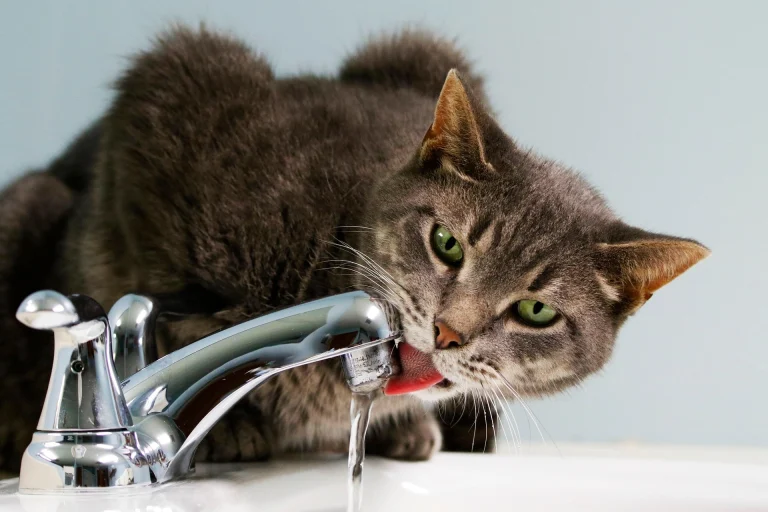
Many caregivers observe that their cats show more interest in water when it is moving rather than sitting still in a bowl. Some cats that rarely touched a standard bowl begin drinking more regularly once a fountain is introduced. Others show curiosity at first but do not ultimately use the fountain long term.
Fountains are not a guaranteed solution. Some cats ignore them completely, and others require a gradual adjustment period. Whether a fountain is used at all often comes down to individual preference and how disruptive or approachable the fountain feels to the cat.
What Tends to Matter When Choosing a Fountain
Ease of Cleaning
Caregivers consistently report that maintenance is the deciding factor in whether a fountain stays in use. Fountains that are difficult to disassemble, have many small channels, or allow buildup around the pump tend to be cleaned less often or abandoned entirely.
Designs that are simpler, more open, and easier to take apart are more realistic for long-term use. In my opinion, a fountain that can be cleaned thoroughly on a weekly basis would be more successful than a “better” more complex fountain that doesn’t get cleaned as often.
Build Material
Plastic fountains are the most common and affordable option. Many caregivers report that their cats use them without issue, but plastic can scratch over time and may retain odor if cleaning is inconsistent.
Stainless steel and ceramic fountains are often preferred by caregivers on the FDMB. These materials tend to resist odor and buildup better but are typically more expensive and can be heavier or noisier depending on the design.
There is no universal best material. The most suitable option is the one a caregiver can realistically keep clean and that the cat is willing to use.
Flow Style and Noise Level
Flow style and noise level can affect how a cat responds to a fountain, but preferences differ significantly between cats. Some cats seem comfortable with gentle bubbling water, while others approach narrow streams or spouts more readily. Audible water movement attracts some cats and deters others.
Fountains that allow the flow to be adjusted or components to be removed tend to be easier to adapt to individual cats. Very loud fountains may discourage more cautious cats, while fountains with very subtle movement may not attract sustained interest.
Frequently Discussed Water Fountains on The Forum
Note: The fountains listed below are included because they are commonly discussed by caregivers on the Feline Diabetes Message Board (FDMB), not because they are formal recommendations or an exhaustive list of options. Individual cats vary widely in their preferences, and caregiver experiences differ based on household setup, cleaning routines, and how a fountain is introduced. Readers are encouraged to review current product information, read user reviews, and form their own opinions, as what works well in one home may not work in another.
- Catit LED Flower Fountain with Triple Action Filter, Cat Drinking Water Fountain, 3 L
Price: $46.99
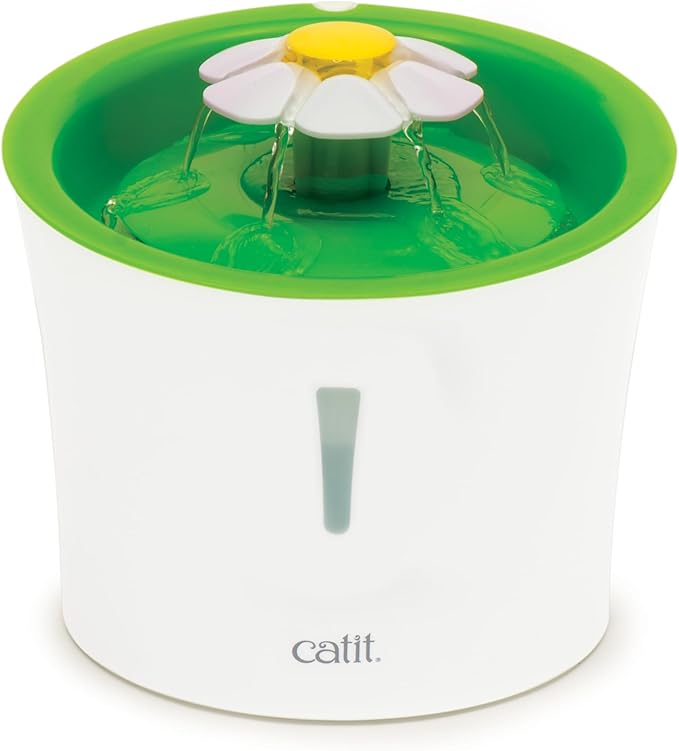
Caregivers often describe the Catit flower fountain as a simple, approachable starting point, especially for cats that have never used a fountain before. The adjustable flower top allows caregivers to change how the water moves, which some find helpful when a cat seems hesitant at first. It is frequently mentioned as being relatively easy to take apart and clean compared with more complex fountains. Experiences with the filters vary, with some caregivers reporting no issues and others needing to rinse or monitor them more closely. Overall, it is often chosen because it feels manageable to maintain and not overly intimidating for cats.
2. Wonder Creature Cat Water Fountain Stainless Steel, 84oz/2.5L Automatic Pet Water Fountain with Water Level Window and LED Light for Water Shortage Alert
Price: $24.99
Amazon: Wonder Creature
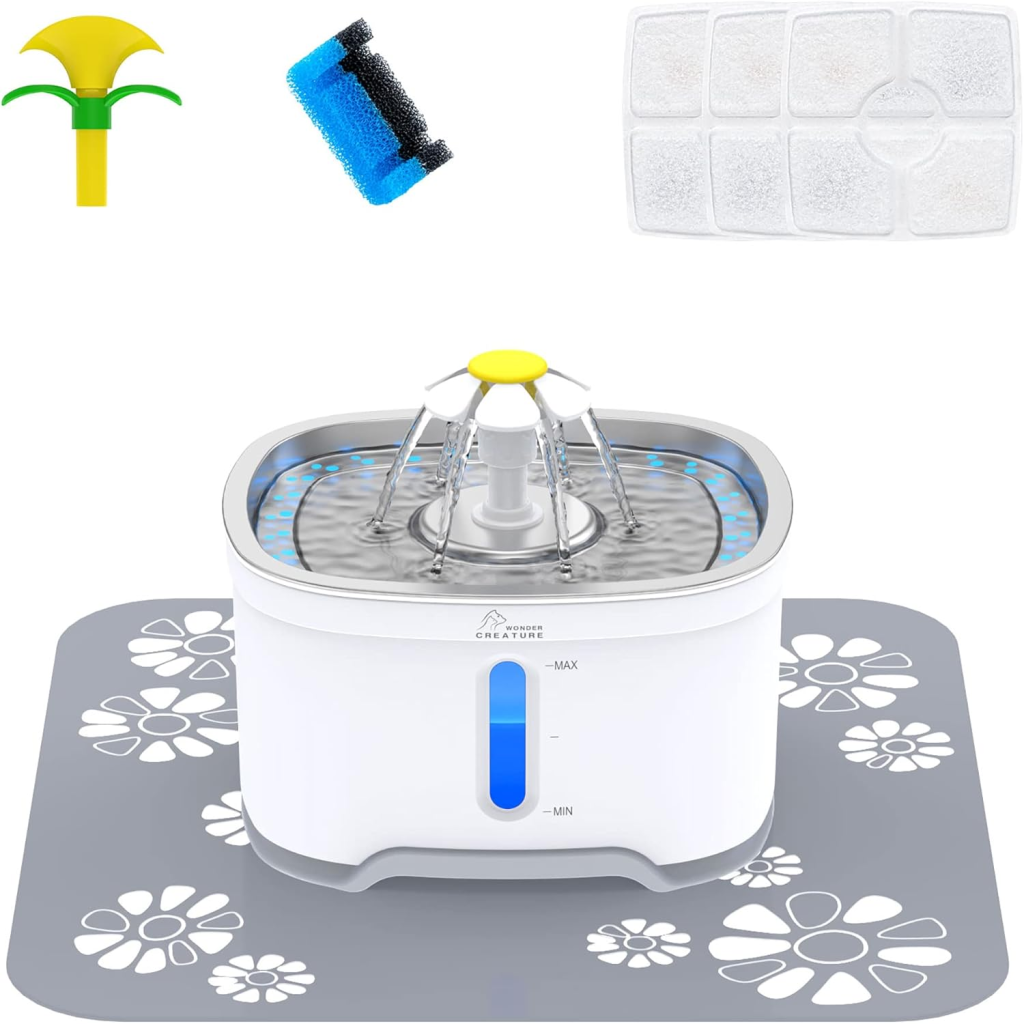
This fountain is usually discussed in the context of caregivers wanting to move away from plastic. The stainless steel surface is often mentioned as feeling easier to keep clean and less prone to odor buildup over time. The visible water level window and LED alert are convenience features that some caregivers appreciate because they reduce guesswork around refilling. Compared with smaller plastic fountains, this one is often described as quieter and more stable, though its larger size can make it feel bulkier to clean or place.
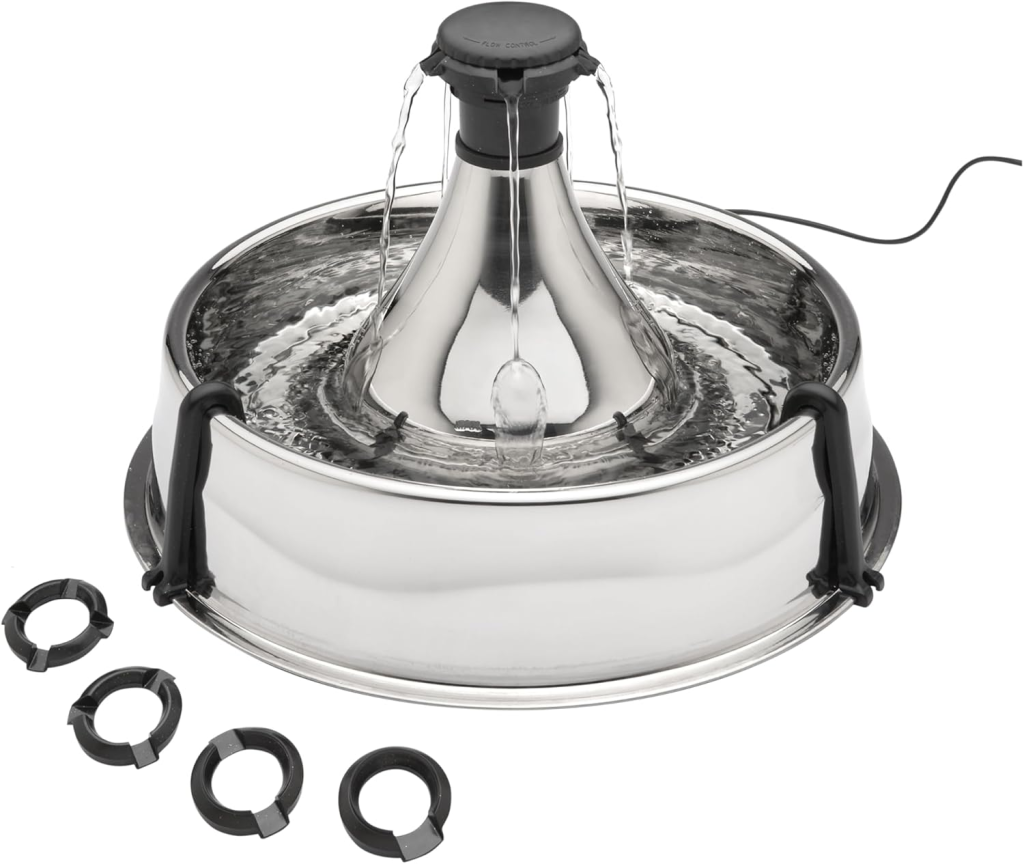
3. PetSafe Drinkwell Stainless Steel 360 Multiple Pet Fountain – Scratch and Rust Resistant Automatic Water Dispenser for Cats or Dogs – Adjustable Flow Control – 128 Ounce (3.8 Liter) – Filters Included
Price: $74.95
Amazon: Drinkwell, Chewy: Drinkwell
The Drinkwell 360 is commonly noted for its capacity and multi-stream design, which some caregivers find helpful in multi-cat households. The adjustable flow rings allow water to come out in several streams, giving cats multiple drinking points. Caregivers mention that while it can encourage use, it has more parts than simpler fountains and therefore requires consistent, thorough cleaning to prevent buildup. It is frequently described as durable but higher maintenance compared with smaller or simpler designs.
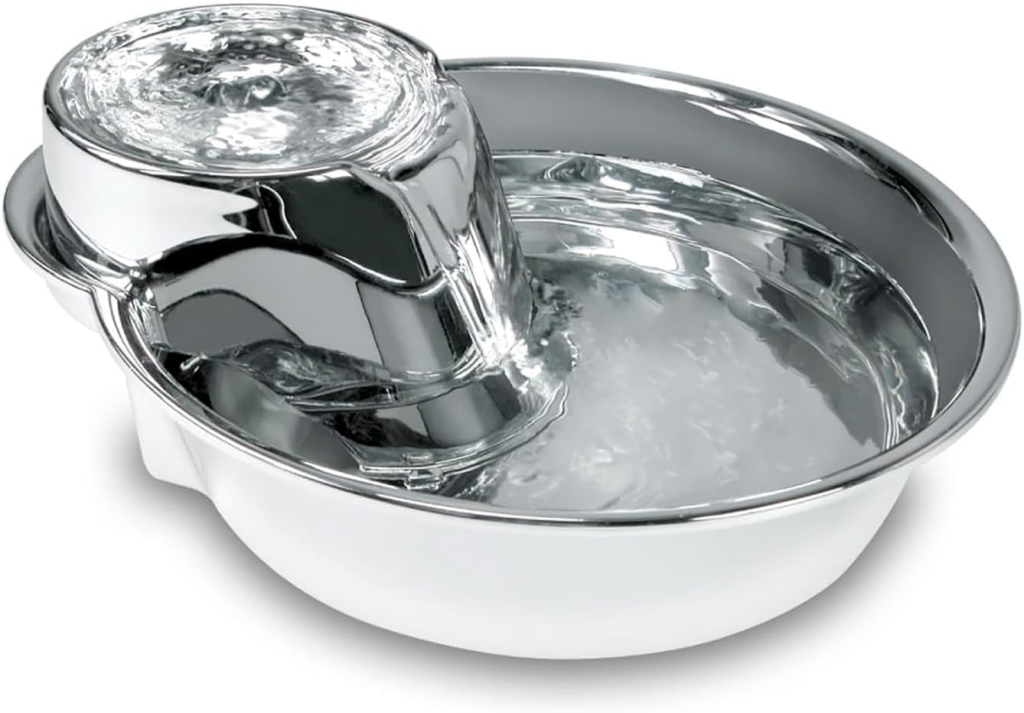
4. Pioneer Pet Stainless Steel Fountain Raindrop Design
Price: $74.99
Amazon: Pioneer, Chewy: Pioneer
Caregivers who mention the Pioneer Pet Raindrop often focus on its solid stainless steel construction and minimalist design. It is typically described as sturdy and less likely to tip or slide. Some caregivers appreciate that it has fewer decorative parts, which can make cleaning more straightforward, while others note that the internal pump area still needs regular attention. It is often chosen by caregivers prioritizing materials and durability over adjustable flow features.
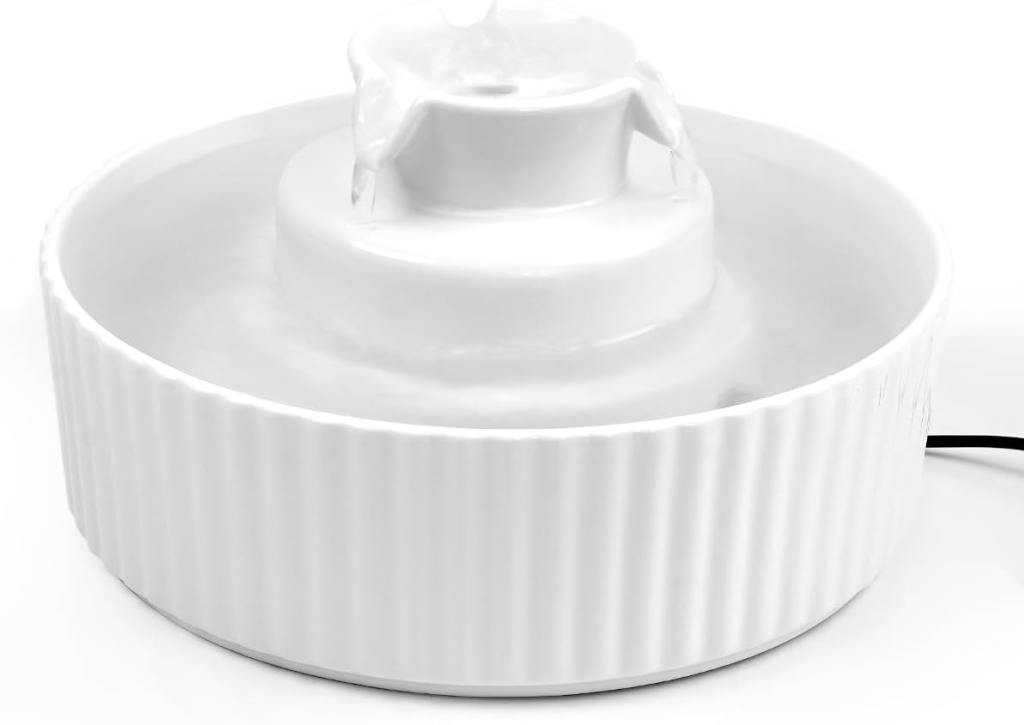
5. Ceramic Cat Water Fountain, 2.1L/71oz Cupcake Pet Water Fountain for Cats and Dogs, Automatic Pet Drinking Fountain with Pump, Filter & Foam (White)
Price: $35.99
Amazon: Cupcake
Ceramic fountains are usually discussed by caregivers who want to avoid plastic entirely. The ceramic body is frequently described as easier to sanitize and less likely to retain smells. Some caregivers like the aesthetic and weight, which can keep the fountain stable. At the same time, ceramic fountains are often mentioned as being heavier and more fragile, requiring care during cleaning. As with other designs, pump maintenance remains an important consideration.
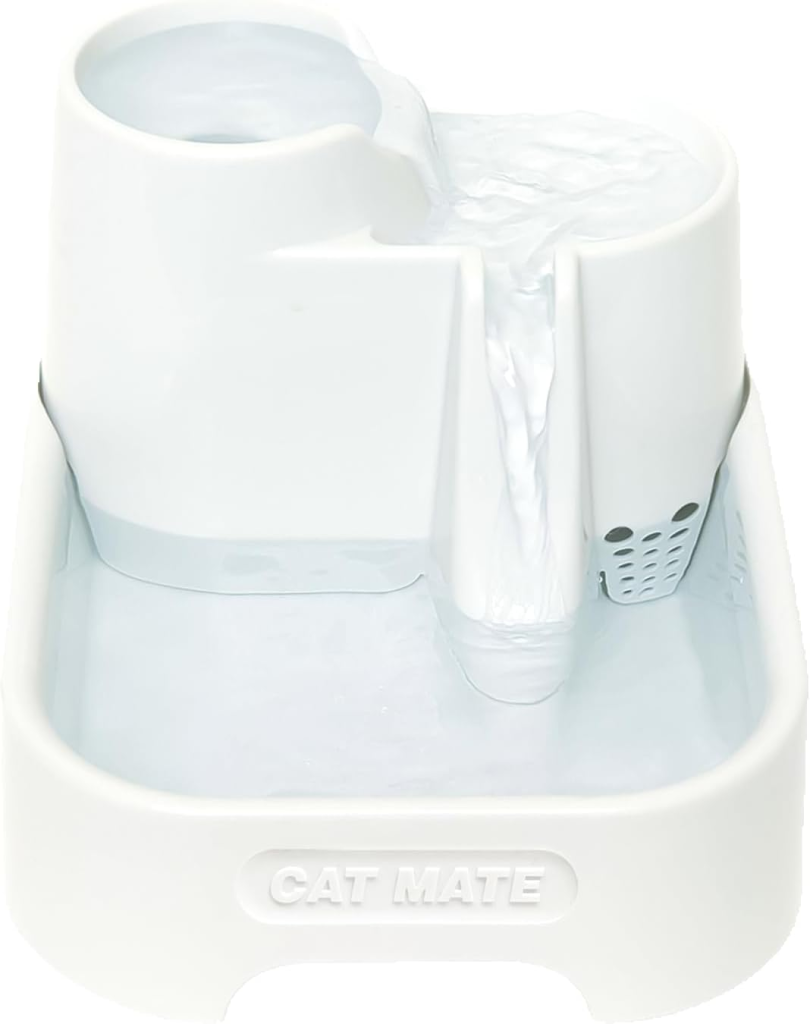
6. Cat Mate Multi-Level Pet Water Fountain (335) – BPA and BHT Free 3-Stage Filter, for Cats & Small Dogs, Quiet and Hygienic Drinking Fountain, 70 fl. Oz Capacity
Price: $27.99
Amazon: Cat Mate, Chewy: Cat Mate
The Cat Mate fountain is mentioned as a quieter option with a more open, shallow drinking area. Caregivers sometimes note that cats who dislike narrow spouts or deeper basins seem more comfortable approaching it. The multi-level design can make it easier for some cats to find a comfortable drinking position. On the downside, caregivers also point out that the layered structure requires regular cleaning to prevent buildup in less visible areas.
7. Petlibro Dockstream 2 Fountain
Price: $89.99
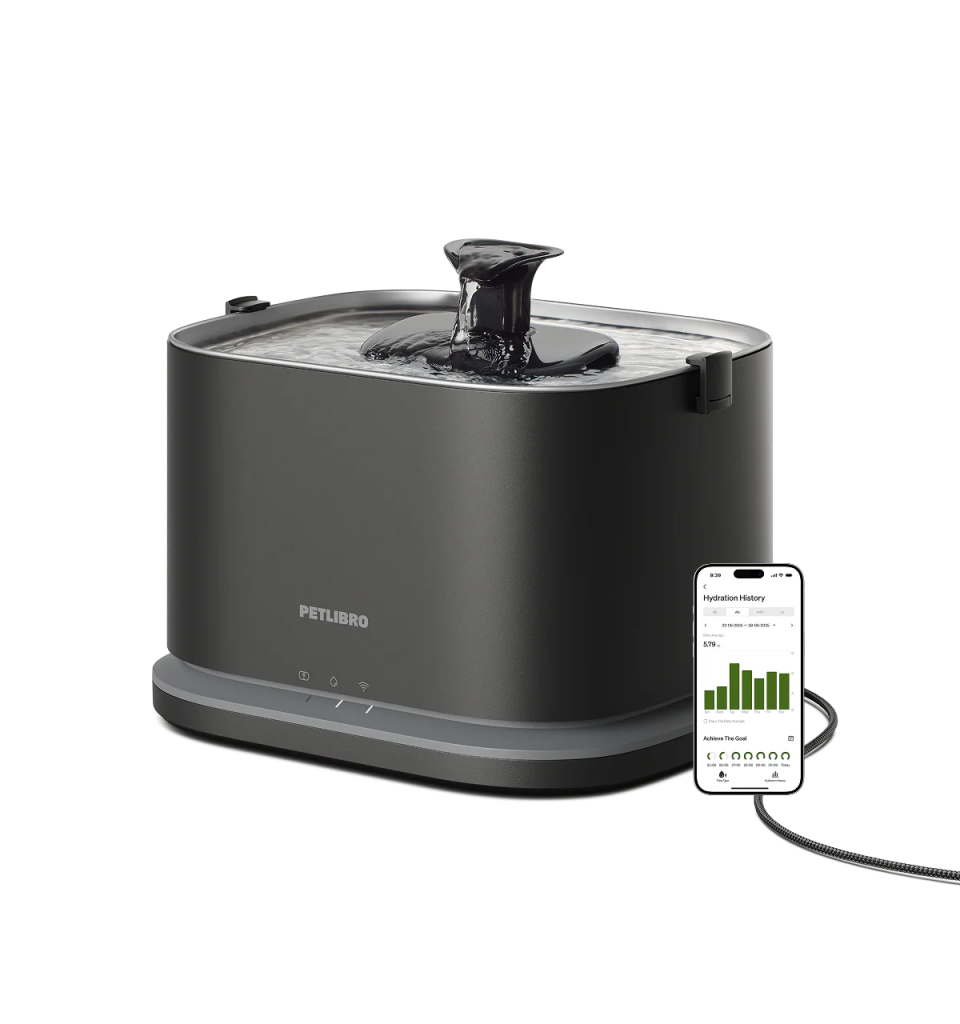
Petlibro: Dockstream
This fountain tends to be discussed more for its convenience features than its effect on drinking behavior. Some caregivers appreciate app-based or indicator features, while others feel these features add complexity without necessarily changing whether a cat drinks more. It is chosen by caregivers who value modern design and ease of placement.
8. Petlibro Stainless Steel Fountain
Price: $49.99
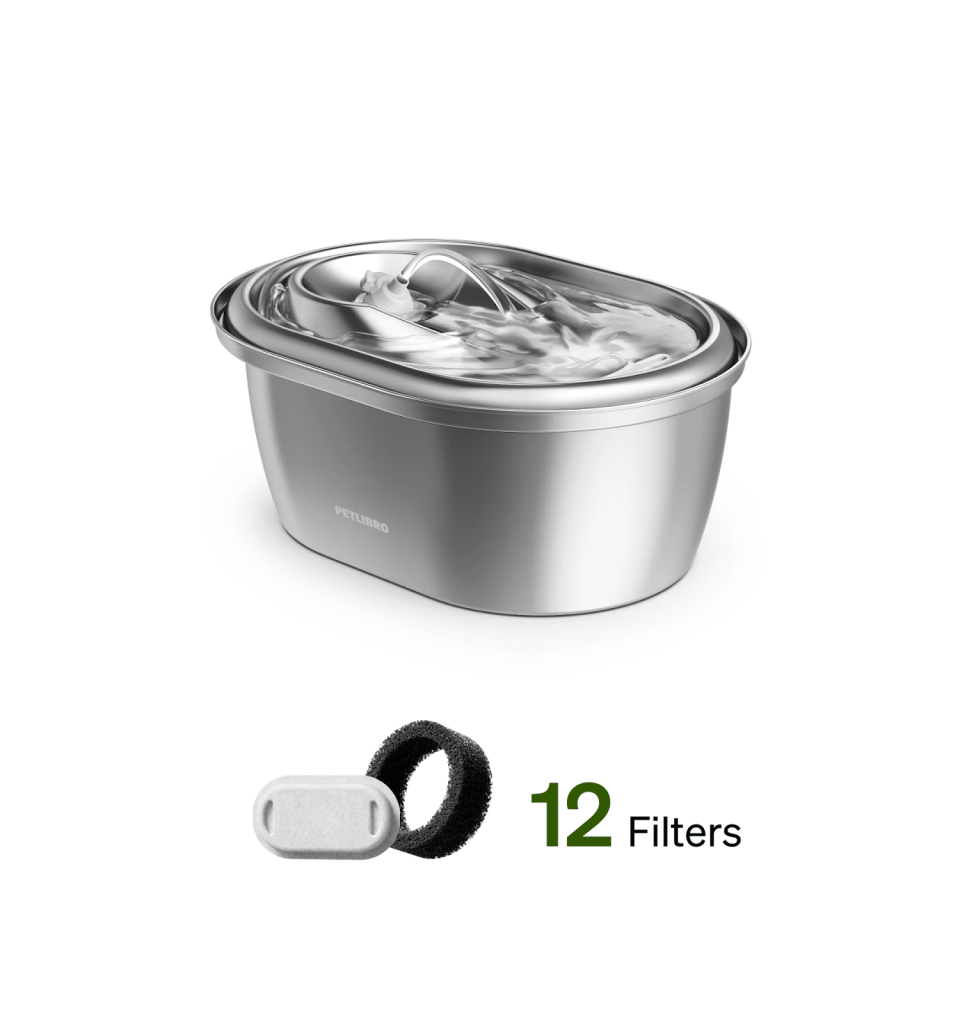
Petlibro: Stainless Steel Fountain
The stainless steel Petlibro fountain is sometimes compared to other metal options, with caregivers noting a balance between material quality and a simpler layout. It is generally described as quieter than some plastic fountains and easier to keep smelling fresh. As with other stainless models, caregivers emphasize regular pump cleaning and filter changes to keep it functioning well over time.
Some caregivers have reported favorable results with these other fountains:
oneisall Dog Water Fountain for Large Dogs
uahpet Wireless Cat Water Fountain Stainless Steel Pro
Gravity Bowls Compared to Fountains
Gravity bowls provide a constant supply of still water without requiring electricity. Caregivers sometimes report that they can spill easily, collect debris, or fail to change drinking habits in cats that already avoid bowls. Some caregivers find that switching from gravity bowls to fountains reduces mess and improves water intake once the cat adjusts, though this is not universal.
If a gravity bowl is used, stainless steel or ceramic options are often favored to avoid rust, coating wear, or odor retention.
Helping a Cat Adjust to a Fountain
Many cats do not use a fountain immediately. Adjustment periods ranging from days to weeks are common. Some cats begin using fountains when no one is nearby. Patience and minimal pressure tend to work better than forced changes.
Caregivers have reported success when:
- The fountain is placed near the existing water source at first
- The fountain is left turned off initially for exploration
- The original bowl remains available during the transition
- Food is kept separate from water sources
Cleaning and Maintenance Expectations
Most fountains require:
- Weekly full cleaning
- Periodic filter replacement
- Routine pump inspection for hair or debris
Caregivers frequently note that when cleaning slips, cats stop using the fountain. Changes in odor, water clarity, or flow can lead to avoidance. A fountain should reduce stress around hydration, not add another ongoing burden. Choosing a design that fits a caregiver’s routine is important.
Practical Takeaways
- Simpler designs are easier to maintain long term
- Ease of cleaning matters more than fancy features
- Adjustment periods are normal
There is no single fountain that works for every cat. From a caregiver perspective, the most successful fountain is the one a cat actually uses and the caregiver can realistically maintain over time.
For more information on hydration and feline nutrition in general, Dr. Lisa Pierson’s website, catinfo.org, has a lot of resources available.
Caregiver Discussion:
Here are some popular threads from the Feline Diabetes Message Board (FDMB) where caregivers discuss fountain recommendations: