
When feline diabetes is left untreated, blood glucose remains chronically high. Over time, this causes dehydration, muscle loss, weakness, infections, and eventually life-threatening complications. Untreated diabetes is progressive and ultimately fatal. The decline is often gradual at first, even if your cat appears comfortable in the early stages, then accelerates.
A feline diabetes diagnosis often leads to one hard question: What happens if I don’t treat it? This article explains, clearly and without judgement, what untreated feline diabetes looks like over time, how a cat’s quality of life is affected, and why some caregivers make this decision.
Reasons We Hear For Why Caregivers Choose Not to Treat
Caregivers who consider non-treatment are usually overwhelmed. Many are trying to protect their cat from additional stress or fear, and are weighing the diagnosis against age, other medical conditions, finances, or their own physical limitations. These concerns are legitimate and deserve clear answers.
One of the most common initial reactions is that diabetes treatment is inappropriate for older cats. In reality, age alone does not prevent successful treatment. Many senior cats tolerate insulin well and often feel better once blood glucose is controlled, regaining strength, appetite regulation, and energy. What matters more than age is the presence of severe concurrent disease or limited life expectancy unrelated to diabetes. On the Feline Diabetes Message Board (FDMB), we’ve seen cats live for many years beyond diagnosis with some simple home care.
Another frequent concern is cost. Diabetes treatment is often assumed to be prohibitively expensive or require frequent veterinary visits. While emergency care can be costly if diabetes is unmanaged, routine treatment at home is usually far less expensive than expected. Insulin, syringes, and basic monitoring supplies are commonly manageable for many households, and ongoing care is typically performed at home rather than in a clinic. In some cases, assistance programs or lower-cost alternatives may also be available when cost is the primary limitation. Check out the Supply Closet, often caregivers will donate supplies to folks in need.
Caregivers also worry that injections and testing will frighten or traumatize their cat. In practice, insulin injections are quick, minimally uncomfortable, and usually well tolerated. Most cats adapt rapidly to routine care, especially when it replaces the physical effects of uncontrolled diabetes. There have been many stories of cats running to their typical testing or insulin spot with some positive reinforcement.
These concerns are understandable, but they often reflect expectations rather than lived experience of caregivers whose cats have improved and were extremely thankful they began treatment.
The Upside of Treatment
One important factor often missing from this decision is what treatment typically gives back to the cat (and the caregiver).
For many diabetic cats, insulin does not create stress – it removes it. As blood glucose comes under control, excessive thirst and urination decrease, hunger normalizes, muscle loss slows or reverses, and energy often improves noticeably. Cats that were lethargic, weak, or isolating frequently become more engaged once their bodies are no longer in a constant state of metabolic stress. Treatment also prevents or reverses complications that significantly reduce quality of life. Diabetic neuropathy often improves with glucose control. Recurrent infections become less common. The risk of sudden, expensive emergencies such as diabetic ketoacidosis drops dramatically.
For caregivers worried about causing more stress, this is a critical distinction: insulin and home testing does not add a burden to a healthy cat – it relieves an ongoing one created by uncontrolled disease.
For the caregiver, more years hopefully with our best friends.
Does Untreated Diabetes Cause Pain?
In the early stages, diabetes itself is not painful. Cats may appear comfortable while drinking and urinating more than normal, which can create the impression that the condition is manageable without intervention. The problem is not the early phase. The harm comes from prolonged high blood glucose. Over time, sustained hyperglycemia (high blood glucose) damages nerves, muscles, and blood vessels. One common result is diabetic neuropathy, which affects the nerves controlling the hind legs. This often causes weakness, difficulty jumping, and a plantigrade stance where the cat walks flat on the hocks instead of on the toes. While neuropathy may not present as obvious pain, it significantly impacts mobility and quality of life.
In addition to nerve damage, ongoing high glucose leads to dehydration, electrolyte imbalance, muscle wasting, recurrent infections, nausea, and potentially diabetic ketoacidosis. These are not comfortable states, or inexpensive states. Cats are highly skilled at hiding distress, so declining comfort and function are often underestimated until the disease is advanced.
What Happens Over Time Without Treatment
Some cats decline slowly. Others experience sudden, severe deterioration.
Early stage (weeks to months):
- Increased thirst and urination, increased appetite, gradual weight loss, mild lethargy. Many cats still behave normally, which can be misleading.
Middle stage:
- Visible muscle wasting, weakness (often in the hind legs), dull or unkempt coat, dehydration, recurring urinary tract infections, vomiting, and reduced interaction.
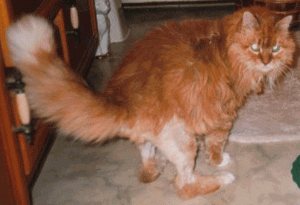
Figure 1: Example of diabetic neuropathy
Late stage:
- High risk of diabetic ketoacidosis. This is a medical emergency caused by severe insulin deficiency and ketone buildup. Symptoms include nausea, vomiting, abdominal pain, rapid or labored breathing, profound weakness, and collapse. Without treatment, diabetic ketoacidosis is usually fatal.
Is It Cruel Not to Treat a Diabetic Cat?
Choosing not to treat is not automatically neglectful. It is a medical decision shaped by circumstances, resources, and the cat’s overall health. However, untreated diabetes does not remain stable. The disease continues to progress even when outward signs seem mild. Problems arise when non-treatment is paired with unrealistic expectations or when declining quality of life goes unrecognized.
Older Cats and Quality of Life
Age alone does not mean a cat cannot tolerate treatment. Many older cats respond well to insulin and often feel better once blood glucose is controlled. That said, cats with advanced concurrent disease, significant frailty, or limited life expectancy may not benefit meaningfully from long-term glucose management. In these cases, caregivers may choose comfort-focused care instead of insulin therapy.
The decision should be based on the whole cat, not fear of the diagnosis and the unknown.
Can Diet Alone Control Diabetes?
Dietary changes can reduce blood glucose levels and insulin needs. In rare cases, they can contribute to remission. However, remission without insulin support is not the typical scenario. Diabetes does not resolve on its own. Relying on diet alone while blood glucose remains elevated still opens up the risk of long-term damage to occur. See this post about what to feed a diabetic cat.
Life Expectancy Without Treatment
There is no fixed timeline. Some cats live for several months with gradually worsening symptoms. Others decline more rapidly. Long-term survival without treatment is not realistic. Untreated diabetes always progresses, even if the decline is initially subtle.
This veterinary study tracked hundreds of diabetic cats receiving some kind of treatment. They found that increased survival time was strongly associated with insulin and diet treatment.
A Difficult Decision With Consequences
Choosing not to treat feline diabetes is often made under real constraints and with good intentions. What matters most is understanding what untreated diabetes involves so choices are informed rather than reactive. Clear expectations allow caregivers to plan, monitor, and prioritize comfort instead of being forced into crisis decisions later.
What to Do Next
If you are unsure what to do next, consider talking with others who have faced the same decision on the Feline Diabetes Message Board (FDMB). You won’t be judged for your situation. People would be happy to explain the pros/cons and share personal experience and thoughts or suggestions they have. Here are some forum threads by others who have been in your position: